HD Backlinks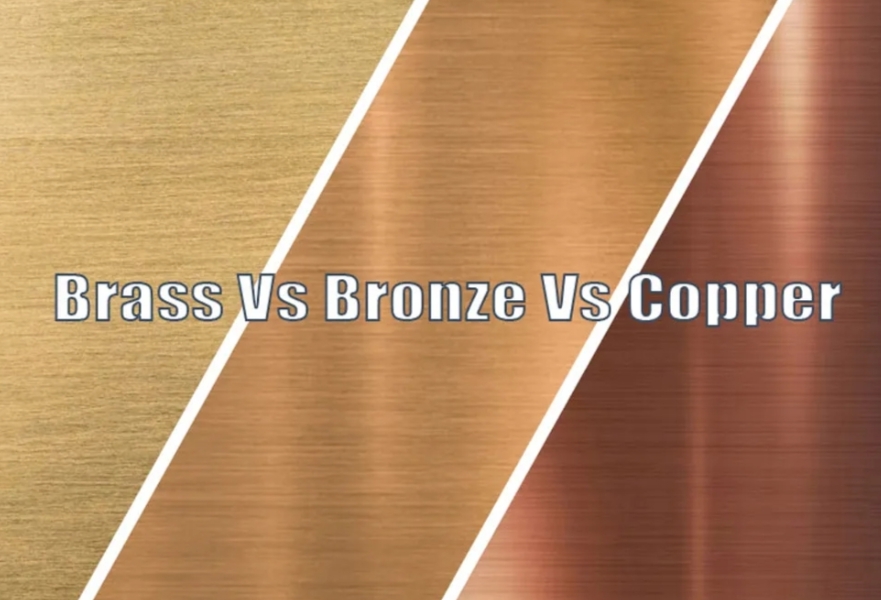
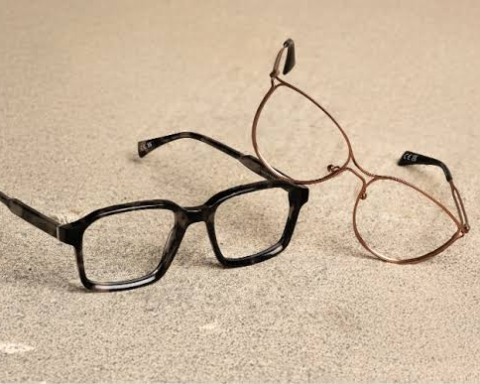
For jewelry brands, selecting the right jewelry material is critical as it can influence the design, wearability, and appeal of each piece. Copper, brass, and bronze are three metals commonly used in jewelry, yet they are often confused because of their similar appearance and shared copper content. Understanding their differences is crucial for brands looking to craft distinctive, long-lasting collections.
An Overview of Copper
Composition
Copper often refers to the pure elemental metal (Cu) or alloys primarily composed of copper.
Key Properties
- High Electrical and Thermal Conductivity: While this property is more relevant in industrial applications, it also reflects copper’s purity and quality.
- Malleable and Ductile: Copper is highly workable, allowing jewelers to create intricate designs, fine engravings, and detailed textures.
- Distinct Reddish Hue: Its warm, natural color stands out in jewelry pieces, offering a look that is earthy, sophisticated, and timeless.
- Natural Antimicrobial Properties: Copper naturally inhibits the growth of bacteria, which can be an appealing selling point for wearable items such as bracelets or rings.
Common Uses
This jewelry metal is favored for artisan pieces, statement rings, pendants, and layered designs that emphasize its distinctive hue. It often consists of a small portion of zinc or other metals, since pure copper is prone to scratching and deforming, and susceptible to oxidation.
Beyond jewelry, copper is widely used in electrical wiring, plumbing, decorative arts, and coins.
An Overview of Brass
Composition
Brass is an alloy primarily composed of copper (Cu) and zinc (Zn), sometimes with small amounts of lead, tin, or other metals. The proportions of copper and zinc can vary, resulting in subtle differences in color, strength, and workability.
Key Properties
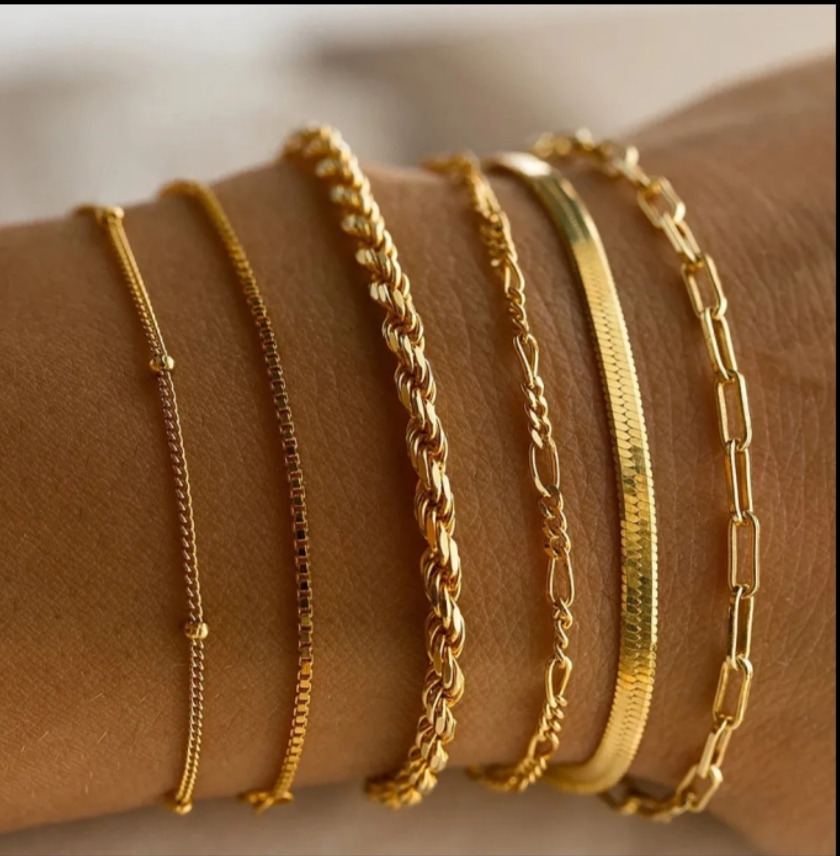
- Gold-like Appearance: Brass exhibits a warm yellow tone that resembles gold. It is an attractive option for fashion and costume jewelry.
- Malleable and Corrosion-Resistant: It can be shaped into intricate designs. It also maintains its finish over time.
- Lower Melting Point than Copper: This property makes brass easier to cast and mold.
Common Uses
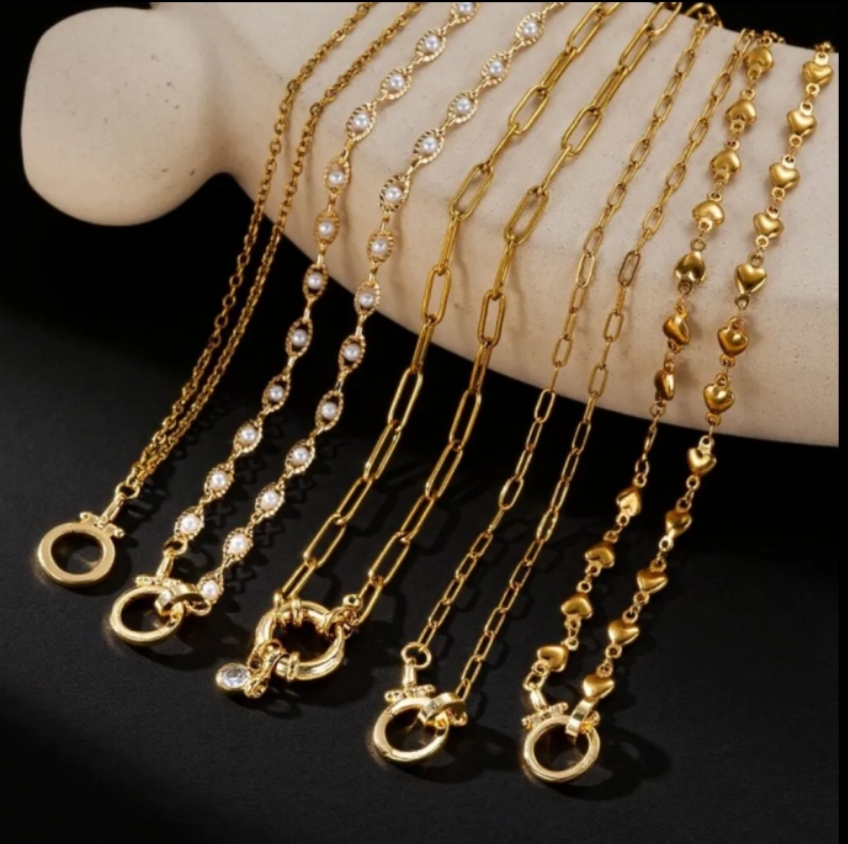
In the jewelry industry, brass is commonly used for bracelets, earrings, pendants, and fashion-forward pieces where a gold-like look is desired at a more accessible price point. Its excellent workability and corrosion resistance make it suitable for intricate designs, plated finishes, and trend-driven jewelry collections.
Beyond jewelry, brass is widely used in musical instruments, hardware, plumbing fittings, and decorative objects.
An Overview of Bronze
Composition
Bronze is an alloy primarily composed of copper (Cu) and tin (Sn), with variants such as aluminum bronze or silicon bronze that include additional metals to improve hardness, corrosion resistance, or color.
Key Properties
- Hard: Bronze is hard and strong. On the Brinell hardness scale, bronze typically ranges from 40 to 420.
- Malleable: Bronze also allows for detailed shaping.
- Corrosion-Resistant: This property makes bronze ideal for long-lasting jewelry.
Common Uses
In the jewelry industry, bronze is favored for rings, bangles, statement necklaces, and sculptural designs that require durability and a warm, rich tone. Its strength, wear resistance, and corrosion resistance make it well-suited for everyday wear collections.
Beyond jewelry, bronze is also widely used in machine parts, bearings, marine hardware, and sculptures due to its strength and resistance to corrosion.
Star Harvest: Your One-Stop OEM Jewelry Partner
Metals are highly adaptable materials for jewelry design. Each metal provides unique advantages. By partnering with an experienced manufacturer, jewelry brands can streamline production, minimize errors, and maintain consistent quality, helping collections stand out in a competitive market.
Star Harvest is a leading OEM copper and brass jewelry manufacturer. It offers one-stop OEM jewelry services and expertise across metal sourcing, jewelry designing, manufacturing, and quality assurance. Whether your designs call for the warm glow of copper, the lustrous appeal of brass, or the durability of bronze, Star Harvest ensures every piece meets high standards of precision and beauty.
Conclusion
For jewelry brands, understanding the differences between copper, brass, and bronze is essential for informed material selection, design innovation, and product longevity. By leveraging these metals strategically and collaborating with a trusted manufacturing partner like Star Harvest, brands can elevate their collections, create pieces that resonate with consumers, and deliver lasting value.