Khizar Seo
Every year, thousands of homeowners face the reality that their bathrooms no longer meet their needs. Slippery surfaces, high tub walls, and cramped layouts create genuine safety hazards, particularly for aging adults or anyone with limited mobility. Falls in the bathroom remain one of the leading causes of household injuries, prompting many to seek renovation solutions that balance safety with everyday functionality. The walk-in tub with shower has emerged as a compelling answer to these challenges, combining the therapeutic benefits of soaking with the convenience of a standing shower in one integrated unit. But is it the right choice for your home? The answer depends on several factors, including your bathroom configuration, budget constraints, material preferences, and long-term accessibility goals. This guide walks you through each consideration, from understanding what these units offer to planning a cost-effective installation, so you can make a confident, informed decision about your bathroom renovation.
What is a Walk-In Tub with Shower? An Overview
A walk-in tub with shower is a hybrid bathing unit that merges a deep soaking tub with a fully functional showerhead system, all within a single enclosure. Unlike traditional tubs that require users to step over high walls, these units feature a low-threshold door that swings open for easy entry, then seals watertight when closed. Inside, a built-in seat allows users to bathe comfortably at chair height, while a handheld or wall-mounted showerhead provides the option to rinse off quickly without filling the tub. Many models also include non-slip flooring, grab bars, and therapeutic extras like hydrotherapy jets. Compared to a conventional bathtub, the walk-in design dramatically reduces the risk of slipping or losing balance during entry and exit. And unlike a standalone shower stall, it preserves the ability to enjoy a full soak when desired. This dual-purpose versatility makes it particularly appealing for households where different family members have different bathing preferences or evolving accessibility needs.
Key Benefits and Considerations for Homeowners
The most significant advantage of a walk-in tub with shower is the safety it provides. For elderly users or those with arthritis, joint pain, or balance issues, the low-entry threshold and built-in grab bars eliminate the dangerous maneuver of climbing over a traditional tub wall. The seated bathing position and non-slip surfaces further reduce fall risk, helping users maintain independence in their daily routines without relying on caregivers. From a space efficiency standpoint, combining two functions into one unit can actually free up square footage in tight bathroom configurations, since you no longer need separate fixtures for showering and soaking. However, homeowners should weigh a few considerations before committing. Installation tends to be more complex than a standard tub swap, often requiring plumbing modifications and potentially reinforced subflooring to support the heavier unit. The initial investment is also higher than a conventional tub or prefabricated shower, though many find the long-term safety benefits and increased home value justify the upfront cost.
Assessing Your Bathroom Configuration for Installation
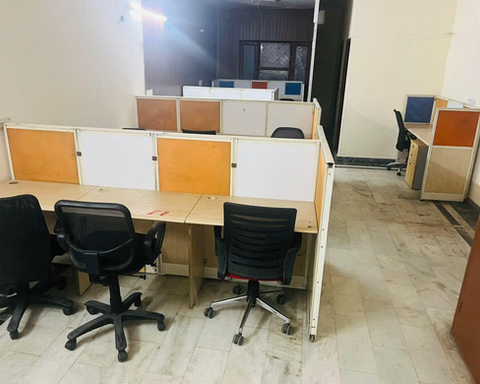
Before falling in love with a specific walk-in tub with shower model, you need to honestly evaluate whether your current bathroom configuration can accommodate one. These units typically require more floor space than a standard tub, and their plumbing demands can differ significantly from what’s already in place. Start by examining your existing layout with fresh eyes. Where does the drain sit? How far are the water supply lines from the intended installation spot? Is there adequate ventilation to handle the moisture output of a dual-purpose bathing unit? The answers to these questions will determine whether your renovation is a straightforward swap or a more involved remodel. Homes built before the 1980s may present additional challenges, such as outdated pipe materials or subfloor conditions that need reinforcement to support the added weight of a filled walk-in tub. Getting a clear picture of your bathroom configuration early in the process saves you from costly surprises once demolition begins.
Steps to Evaluate Layout and Space
Start by measuring your bathroom’s full dimensions, including ceiling height, doorway width, and the footprint of your current tub or shower. Record the distance from walls to existing plumbing fixtures, and note the location of electrical outlets, which may need to be relocated to meet code requirements for wet areas. Next, check for structural constraints by examining the subfloor for signs of water damage, sagging, or insufficient joist spacing — a loaded walk-in tub can weigh over 500 pounds, and the floor must handle that load safely. Plan carefully for door swing and clearance as well; the tub’s entry door needs enough room to open fully without hitting a toilet, vanity, or opposite wall, and you’ll want at least 24 inches of clear space in front of the door for safe entry with a walker or wheelchair. If any of these measurements feel tight or uncertain, consult with a licensed contractor or bathroom remodeling specialist who can assess feasibility on-site and recommend configuration adjustments that ensure a seamless fit without compromising the room’s overall functionality.
Budget Estimation for Your Renovation Project
Understanding the financial commitment involved in installing a walk-in tub with shower helps you avoid sticker shock and plan realistically. Several variables influence the total cost: the unit itself, which varies based on size, features, and brand; labor charges for demolition, plumbing modifications, electrical work, and finish carpentry; permit fees required by your local municipality; and ancillary expenses like updated ventilation, flooring repairs, or wall finishing. On average, homeowners can expect the full project to fall within a broad range depending on the complexity of the installation and regional labor rates. A straightforward replacement in a bathroom with compatible plumbing will cost considerably less than a full reconfiguration requiring new drain lines, subfloor reinforcement, or wall relocation. To build an accurate budget, begin by requesting detailed written quotes from at least three licensed contractors, ensuring each estimate breaks down materials, labor, and timeline separately. Add a contingency buffer of ten to fifteen percent to cover unforeseen issues like hidden water damage or code-compliance upgrades discovered during demolition. Finally, explore financing options or phased approaches if the total exceeds your immediate budget — some homeowners complete structural and plumbing work first, then add therapeutic features like jets or chromotherapy lighting in a later phase.
Practical Steps to Create a Cost-Effective Budget
Start by listing every expense category you can anticipate: the walk-in tub unit, shower fixtures, labor, permits, disposal of old fixtures, waterproofing materials, tile or wall finishing, and any accessibility additions like grab bars or fold-down benches. Research each category independently by visiting showrooms, browsing manufacturer websites, and reading verified customer reviews to understand what quality level fits your needs without overspending. Suppliers like GeorgeBuild can be helpful for comparing home supplies and fixtures across different price points. Compare quotes carefully, looking not just at the bottom line but at what’s included — a lower bid that excludes waterproofing or debris removal may end up costing more once change orders accumulate. To save without sacrificing quality, consider selecting acrylic shells over premium composites if your budget is tight, or choose a model with fewer jet configurations that can be upgraded later. Timing your renovation during a contractor’s slower season, typically late fall or winter, can also yield better pricing and faster scheduling. Keep a dedicated spreadsheet tracking every committed dollar against your contingency fund, updating it weekly as the project progresses, so you maintain full visibility into spending and can make informed trade-off decisions before costs spiral beyond your comfort zone.
Minimizing Construction Delays During Installation
Even the best-planned bathroom renovation can stall if you don’t anticipate common bottlenecks. Permit delays rank among the most frequent culprits — municipalities often require separate approvals for plumbing, electrical, and structural modifications, and processing times vary widely. Submit applications as early as possible, ideally weeks before your intended start date, and confirm all required documentation with your local building department upfront. Contractor scheduling conflicts represent another major source of lost time, especially during peak renovation seasons in spring and summer. Lock in your installation dates with a signed contract that includes start and completion milestones, and maintain weekly communication to confirm material deliveries align with the work schedule. Order your walk-in tub unit well in advance, since custom sizes or specialty features can carry lead times of four to eight weeks. Establish a single point of contact between yourself and the project team to streamline decisions and prevent miscommunication from causing rework. When unexpected issues arise — and they often do behind old walls — having pre-approved contingency plans and an accessible budget reserve allows work to continue without extended pauses while you deliberate on solutions.
Material Choices: High-Density Ceramics and Durability
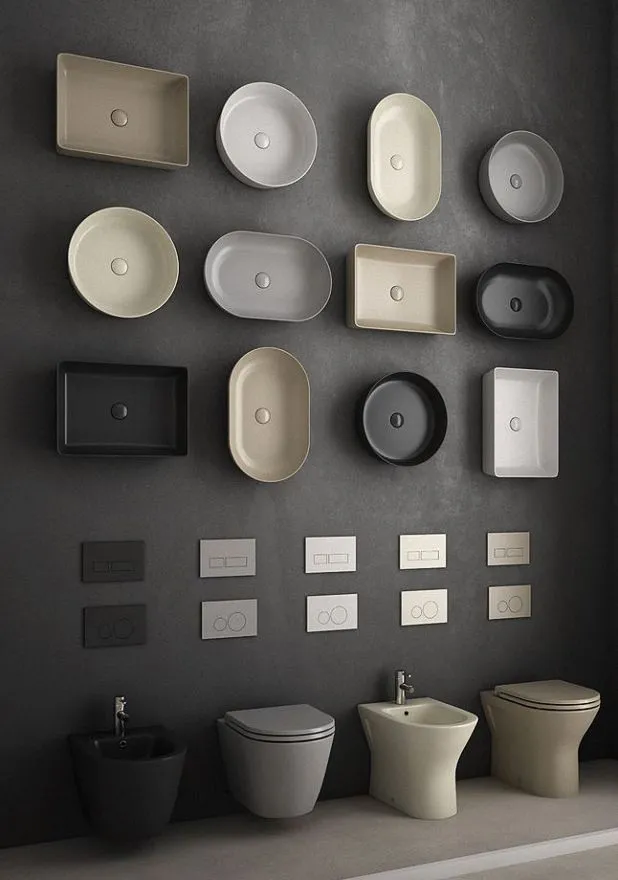
The material your walk-in tub with shower is made from directly affects how long it lasts, how easy it is to maintain, and how well it resists the constant moisture exposure inherent in any bathing environment. High-density ceramics have long been valued in bathroom construction for their exceptional durability, resistance to scratches and stains, and non-porous surfaces that inhibit mold and bacterial growth. A ceramic-based unit or surround can maintain its appearance for decades with minimal upkeep, making it an excellent long-term investment for homeowners who prioritize hygiene and longevity. Acrylic, by contrast, is lighter and generally less expensive, offering a warm surface feel and easier installation, though it can be more susceptible to surface scratches over time. Fiberglass sits at the most budget-friendly end of the spectrum but tends to show wear faster and may require refinishing within ten to fifteen years. When weighing these options, consider your household’s usage intensity and cleaning habits. For a bathroom that sees daily heavy use, investing in high-density ceramics or reinforced acrylic composites pays dividends in reduced maintenance and replacement costs, even if the upfront material expense is higher. Discussing material options with your installer ensures the choice aligns with both your durability expectations and your overall renovation budget.
Step-by-Step Solution for Installation and Implementation
Turning your walk-in tub with shower from a plan into a finished, functioning bathroom feature requires a structured approach that minimizes guesswork at every stage. Begin with a thorough pre-installation assessment: hire a licensed plumber and general contractor to inspect your existing plumbing, electrical systems, and subfloor integrity. Their findings will shape the project scope and confirm whether your bathroom configuration needs structural upgrades before the new unit arrives. Once assessments are complete, finalize your unit selection and place the order early enough to account for shipping lead times. While waiting for delivery, secure all necessary permits and schedule your contractor’s crew for sequential phases — demolition, rough-in plumbing, electrical updates, and installation. After the unit is set and connected, conduct a comprehensive post-installation review that includes leak testing every seal, verifying hot and cold water function at the showerhead and tub filler, and confirming that the drain empties efficiently without pooling.
Professional Installation Process
The hands-on work begins with site preparation: your contractor removes the old tub or shower, disconnects existing plumbing, and clears the space down to the subfloor and wall studs. This is the stage where hidden problems like rotted joists or corroded pipes typically surface, so having your contingency budget ready is essential. Next comes plumbing and electrical adjustment — drain lines are repositioned to match the new unit’s footprint, supply lines are extended or rerouted, and a dedicated electrical circuit is installed if your model includes hydrotherapy jets or heated seating. With infrastructure in place, the walk-in tub is carefully positioned, leveled, and anchored to the subfloor. Sealing and waterproofing follow immediately: silicone caulk lines every joint between the unit and surrounding walls, while a membrane or cement board backing behind the wall finish prevents moisture from reaching framing. Finally, the installer runs a complete safety inspection — testing the door seal under full water pressure, checking grab bar mounting strength, verifying anti-scald valve function, and ensuring all electrical components are properly grounded. Only after every checkpoint passes should you sign off on the completed project.
Making the Right Decision for a Safer, More Functional Bathroom
Choosing a walk-in tub with shower is ultimately a decision that hinges on your unique circumstances — your bathroom configuration, your household’s mobility needs, your budget, and how long you plan to stay in your home. The safety benefits are difficult to overstate: low-threshold entry, built-in seating, grab bars, and non-slip surfaces collectively address the leading causes of bathroom injuries, helping users maintain independence and confidence in their daily routines. From a practical standpoint, combining soaking and showering into a single unit can streamline tight layouts while offering versatility that standalone fixtures simply cannot match. That said, the investment requires careful planning. Accurate space assessment prevents costly mid-project surprises, while detailed budgeting with built-in contingencies keeps your renovation financially manageable. Material selection — whether you lean toward the lasting resilience of high-density ceramics or the lighter affordability of acrylic — should reflect both your usage patterns and your long-term maintenance expectations. Take the time to consult licensed professionals, compare multiple quotes, and visit showrooms or home supply retailers like GeorgeBuild to see units in person before committing. A well-researched decision today creates a bathroom that serves you safely and comfortably for years to come, making the effort of thorough evaluation well worth the reward.