Khizar Seo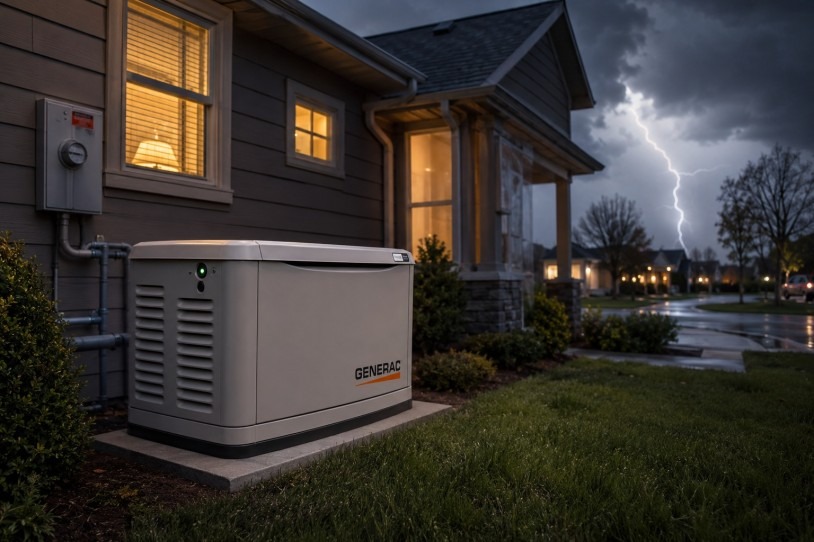
If you’ve lived in East Texas through more than one storm season, you already know the drill. A line of severe thunderstorms rolls through, a tree limb finds a power line, and suddenly the whole street goes dark — sometimes for an afternoon, sometimes for days. Between spring and summer storms, the occasional winter ice event, and the remnants of Gulf hurricanes pushing inland, the stretch from Tyler to Longview sees more than its share of outages.
For some households a few hours without power is a nuisance. For others — a home office, a well pump, a family member who relies on medical equipment, a freezer full of deer meat — it’s a genuine problem. That’s the gap a standby generator fills. The question most homeowners wrestle with isn’t really whether a generator would help, but whether their specific situation justifies the investment. Below is a practical way to think it through, and if you decide it’s worth a closer look, licensed electrician in Longview can size and price a system for your exact home.
Standby vs. portable: know the difference first
These two things often get lumped together, but they solve different problems.
A portable generator is the unit you wheel out of the garage, fill with gasoline, and run extension cords from. It’s cheaper up front and fine for keeping a fridge and a few lights going. The downsides: you have to be home to set it up, it only powers what you can reach with cords, it needs constant refueling, and running one improperly — too close to the house — is a serious carbon monoxide risk every storm season.
A standby generator is permanently installed outside, like an AC condenser. It’s wired into your home’s electrical system, runs on natural gas or propane, and kicks on automatically within seconds of an outage — whether you’re home or not. When utility power returns, it shuts itself back down. You don’t haul anything, refuel anything, or even have to be awake. For most people weighing the upgrade, this hands-off, automatic operation is the whole point.
Signs your home is a strong candidate
You don’t need every one of these to justify a standby system, but the more that apply, the stronger the case:
- Your outages are long, not just frequent. Rural and semi-rural East Texas circuits can take longer to restore than in-town ones. If your power is routinely out for half a day or more after a storm, automatic backup changes your life more than you’d expect.
- You’re on a well or septic system. No power means no water and no sewage pumping. For homes outside city utilities, this alone is often the deciding factor.
- Someone in the home depends on powered medical equipment. Oxygen concentrators, CPAP machines, and similar devices make backup power a safety issue, not a comfort one.
- You work from home. A multi-day outage that knocks out internet and your home office can cost real money — sometimes more than the generator over time.
- You have a lot to lose to spoilage. Full freezers, a home aquarium, or temperature-sensitive supplies tip the math quickly.
- Heat and cold are a concern. East Texas summers are brutal without AC, and the 2021 winter event reminded everyone that losing heat can be dangerous too.
What a standby generator can — and won’t — power
This is where sizing matters. Generators are rated by how much load they can carry at once, and the right size depends on what you want running during an outage.
A smaller system might cover the “essentials” — refrigerator, well pump, a few circuits of lighting, internet, and a window unit or two. A whole-home system, by contrast, runs central air conditioning, electric ranges, water heaters, and everything else more or less like a normal day. The larger the load you want covered, the larger (and more expensive) the unit and the fuel supply needed to feed it.
There’s no single right answer. The goal is matching the system to how your household actually uses power, which is exactly the conversation to have during an evaluation rather than guessing from a spec sheet.
What installation actually involves
A standby generator isn’t a plug-in appliance, and that’s worth understanding before you budget for one. A proper installation typically includes:
- A concrete or composite pad outside, set a code-required distance from windows, doors, and the meter.
- A fuel connection, either tapped into your natural gas line or fed from a propane tank, sized for the generator’s demand.
- An automatic transfer switch, the device that safely disconnects your home from the grid and switches to generator power. This is the part that protects utility line workers and your own equipment — and it’s why this is licensed, permitted work, not a DIY project.
- Permits and inspection, which are standard for this kind of installation and protect you at resale and with your insurer.
Skipping the licensed route to save money tends to backfire here. An improperly connected generator can backfeed the grid and endanger lineworkers, void your homeowner’s coverage, and create exactly the kind of hazard you were trying to avoid.
Making the call
Here’s a simple way to decide. Add up two things: how often and how long your power realistically goes out, and how much a long outage actually costs or endangers your household — in spoiled food, lost work, water access, comfort, or health. If both numbers are high, a standby generator stops looking like a luxury and starts looking like insurance you can flip on automatically.
If you’re somewhere in the middle, the smartest next step is a no-pressure evaluation. A qualified electrician can look at your panel, your fuel options, and your priorities, then tell you what size system fits and what it’ll cost — so you can head into the next storm season knowing exactly where you stand.