Hamza
Hamza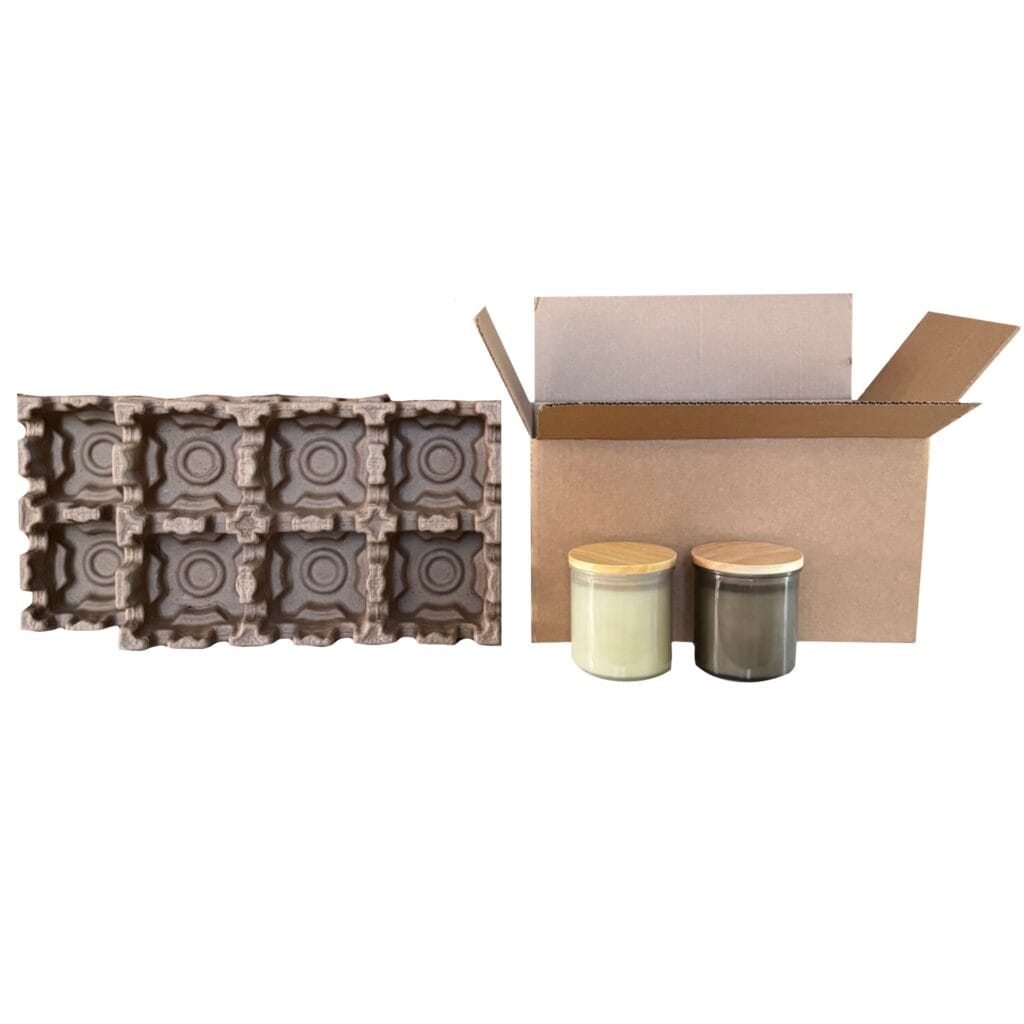
Why Mason Jars Need Protective Packaging
Glass jars are not forgiving. Drop one and you already know what happens. Now put that same jar through a carrier network. Conveyor belts, stack pressure, drop transfers, and a delivery driver who’s running forty stops behind. The margin for error disappears fast.
For businesses shipping mason jars, the cost of getting packaging wrong isn’t just a broken product. It’s a refund, a replacement shipment, a customer service conversation, and a buyer who decides not to order again. That’s four separate costs from one packaging failure. And it happens before you’ve had a chance to make a good impression.
The stakes are higher for glass than almost any other shipping category. It’s heavy, it’s rigid, it doesn’t compress or flex under impact. It either survives the journey intact or it doesn’t. Proper protective packaging is what determines which outcome you get consistently.
Features to Look for in Mason Jar Boxes
Not all mason jar boxes are built the same. The difference between packaging that works and packaging that looks like it should work usually comes down to a few specific things.
Material strength is the starting point. Double-wall corrugated cardboard handles compression and stacking pressure far better than single-wall. In a carrier environment where packages are regularly stacked under significant weight, that structural difference is the gap between your jar arriving intact and arriving in pieces.
Jar separation is just as important as the outer carton. Individual compartments or fitted inserts that hold each jar in a fixed position prevent contact between containers during transit. That contact, jar knocking against jar, is one of the most common causes of breakage. Not the drop. Not the stack pressure. The internal movement that builds force every time the package shifts.
Cushioning around each jar adds another layer of protection. Molded pulp cradles are the most effective option here because they’re shaped to fit, lightweight, and absorb shock across a wide surface area instead of letting force concentrate at a single point on the glass. Easy handling features like hand holes and reinforced bases matter too, especially at fulfillment volume where every extra second per order adds up.
Sustainable Packaging Trends for Glass Container Shipping
The packaging industry is moving away from foam and plastic and it’s not moving slowly. Regulations are tightening, retail partners are setting sustainability requirements, and the end consumer, particularly in food, beverage, and home goods categories, is paying attention to what arrives on their doorstep.
Corrugated cardboard is leading the replacement. It’s the most recycled packaging material in the world, accepted in nearly every curbside program, biodegradable, and lighter than most plastic alternatives. For glass jar shipping specifically, corrugated outer cartons paired with molded pulp inserts deliver real structural protection with no foam, no plastic lining, and a fully recyclable end-of-life pathway.
Biodegradable packaging and plastic-free void fill are becoming standard expectations rather than premium features. Brands that are still relying on expanded polystyrene or single-use plastic inserts are going to feel that pressure grow. The ones switching to corrugated and pulp systems now are simply ahead of where the market is heading anyway.
Packaging Solutions for eCommerce & Retail Businesses
The range of businesses shipping glass jars is broad. Candle brands. Hot sauce producers. Jam and preserve makers. Honey suppliers. Skincare and cosmetics companies. Beverage businesses. Every one of them has the same core problem. Getting fragile glass from a warehouse to a customer without damage, at a unit cost that makes commercial sense.
For ecommerce businesses, the last-mile journey is the hardest. Residential delivery routes involve more handling touchpoints than retail distribution. A package might be loaded and unloaded multiple times before it reaches the door. Packaging that performs reliably across that entire journey, not just under ideal conditions, is what keeps damage rates low and repeat purchase rates high.
For retail and wholesale distribution, the challenge shifts to stacking and pallet pressure over longer transit windows. Stronger outer cartons and secure compartmentalization matter more here. But the principle is the same. The packaging has to be designed for the actual journey the product takes, not a theoretical one.
Companies like Gorilla Shipper build corrugated and insert systems specifically for fragile glass containers, including jars, bottles, and cans, with certified options for brands that need documented performance across carrier networks.
Reducing Shipping Damage with Smarter Packaging Design
Every damaged order is a double cost. You paid to ship it. Now you pay to fix it. Replacement product, return freight, refund processing, and the customer service time to manage the complaint. One packaging failure generates that entire chain.
The fix is usually simpler than brands expect. Right-sized boxes eliminate excess internal space. Fitted inserts eliminate movement. Stronger corrugated walls eliminate structural failure under carrier handling. Address those three things and damage rates drop significantly.
The downstream effects matter too. Lower damage rates mean fewer returns, fewer refund requests, lower support volume, and better reviews. And operationally, flat-pack packaging that assembles fast and stores efficiently reduces warehouse footprint and labor time per order.
FAQs
What are mason jar boxes used for?
Mason jar boxes are best used to transport glass jars, they come with a corrugated double-wall outer carton, and there are internal foam inserts around each jar. These dividers prevent movement and contact during shipping.
How do mason jar boxes protect glass containers during shipping?
The structural outer wall of mason jar box absorbs all the external impact. The compartments that’s there inside the box prevents jar-to-jar contact. And lastly, the corrugated material handles all the compression and stacking pressure.
Are corrugated mason jar boxes recyclable?
Yes, corrugated cardboard and molded pulp inserts are one of the most widely recycled materials available, accepted in virtually every municipal recycling program.
What packaging materials work best for fragile glass jars?
A double-wall corrugated cardboard is best for fragile glasses as it can handle extreme external impact. For internal movement, individual jar cushions can protect fragile glass jars the best.
Can mason jar packaging be customized for branding?
Yes, businesses can customize the mason jar box, by either putting their logo on it, or any branding elements on the box. They can put a label or tissue as inserts, and print their logo on the box.
Are mason jar boxes suitable for eCommerce shipping?
Yes, and they’re specifically important for ecommerce because residential last-mile delivery involves more handling touchpoints than retail distribution.
How can businesses reduce jar breakage during transit?
Choose the right outer carton size, there shouldn’t be any excess space. Use individual inserts that hold each jar fixed and isolated. Choose double-wall corrugated for structural strength. And audit the packaging against the actual carrier conditions your shipments go through. Most breakage comes from movement and compression, and both are solvable with the right packaging system.
What industries use protective mason jar packaging?
Food and beverage producers, candle brands, cosmetics and skincare companies, jam and preserve makers, honey suppliers, hot sauce brands, and any ecommerce business shipping glass containers.