Khizar Seo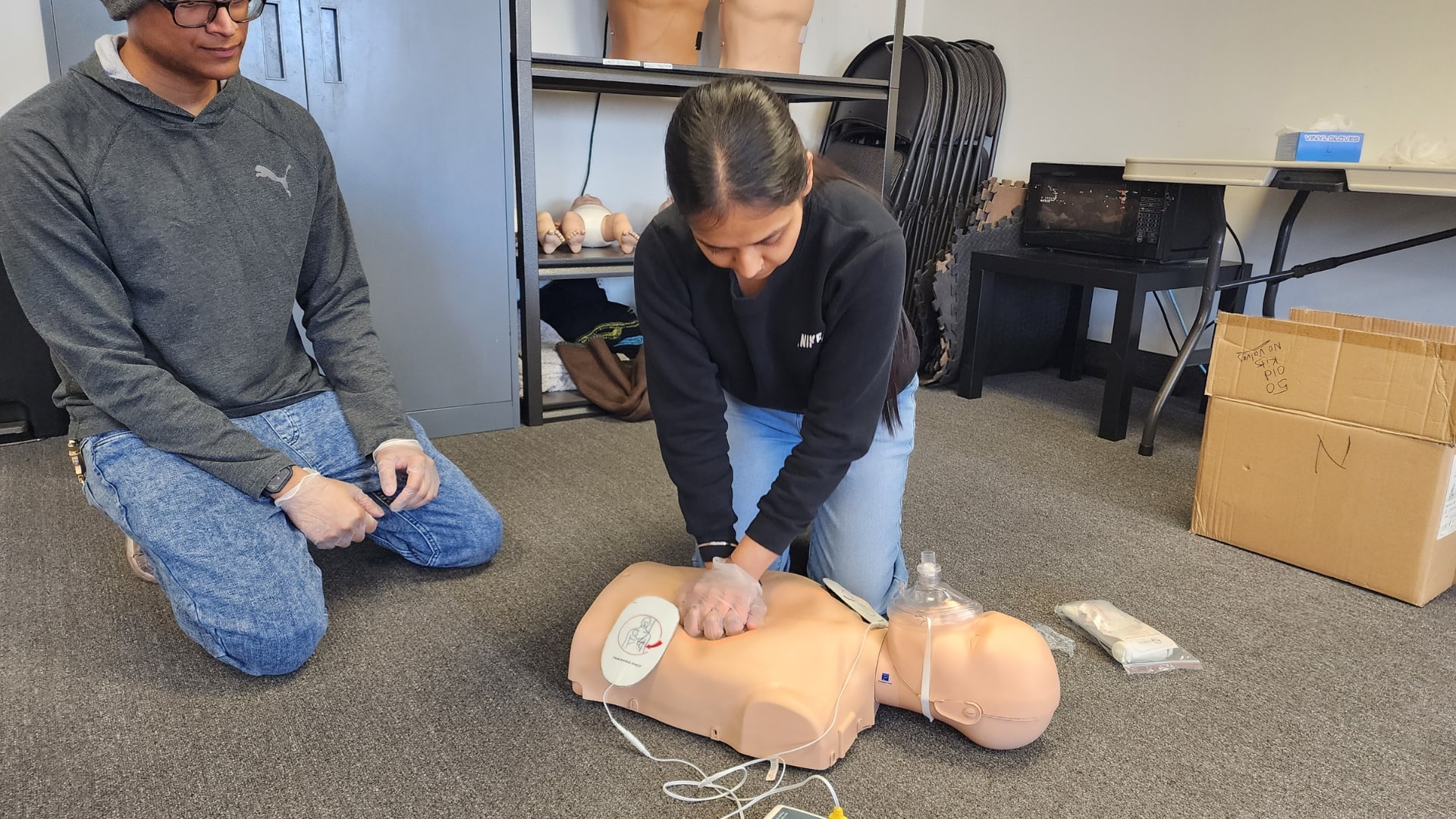
The terms CPR and Basic Life Support are often used interchangeably in casual conversation, but in clinical and regulatory contexts they refer to meaningfully different levels of training. For healthcare workers, students entering nursing or allied health programs, fitness professionals operating in clinical or rehabilitation settings, and anyone whose role involves direct patient contact, choosing the right credential is a matter of compliance as much as competence. Understanding what separates a bls certification online canada program from a standard public CPR course is the first step in selecting training that meets professional requirements and reflects the responsibilities of a healthcare provider role.
What Standard CPR Training Covers
Public CPR courses, sometimes labeled as Level A, B, or C depending on the provincial framework, are designed for laypersons, family caregivers, and workplace responders without clinical responsibilities. The content focuses on recognizing cardiac arrest, performing chest compressions, delivering rescue breaths when appropriate, and using an automated external defibrillator. Pediatric and infant techniques may be covered depending on the level. The pace, terminology, and depth of physiology assume no prior medical background, and the certification is generally accepted for general workplace compliance, fitness industry roles outside clinical settings, parents, educators, and the broader public.
Where Basic Life Support Goes Further
BLS certification, sometimes called Healthcare Provider CPR, is structured for individuals who function within a healthcare team. It assumes baseline familiarity with medical terminology and incorporates skills, expectations, and assessment standards that go beyond bystander response. Core differences include two-rescuer CPR techniques, bag-valve-mask ventilation, recognition of pulse in unresponsive patients (a skill specifically excluded from layperson training), team-based resuscitation dynamics, and integration of BLS into broader Advanced Cardiac Life Support and Pediatric Advanced Life Support frameworks. The compression and ventilation ratios for two-rescuer pediatric CPR differ from single-rescuer protocols, and BLS training prepares providers to switch fluidly between roles during a code.
The assessment standard is also stricter. BLS courses typically require demonstrated proficiency under timed scenarios, including high-quality compressions measured against current depth and rate guidelines, minimal interruption time during defibrillation, and accurate performance of role transitions during continuous resuscitation.
Who Needs BLS Rather Than Standard CPR
In Canada, BLS is the standard credential expected of registered nurses, licensed practical nurses, registered practical nurses, paramedics, respiratory therapists, medical and dental students, physiotherapists, occupational therapists, and most allied health professionals. Hospital-based clinical educators, dental hygienists, and many regulated technologists also require it. Nursing programs and allied health diploma or degree programs typically require BLS before clinical placements begin, and recertification on a one-year or two-year cycle is common depending on the institution and regulatory college.
Fitness professionals operating in clinical rehabilitation, cardiac recovery, or specialized populations may also be required to hold BLS rather than standard CPR. Childcare workers and educators generally do not need BLS, although some pediatric specialty roles in hospital or clinical settings will require it.
Online and Blended BLS Certification Formats
BLS certification in Canada is available through fully online and blended formats. Fully online programs work for renewal and cognitive reinforcement, while initial certification for clinical roles typically requires a blended format that includes an in-person practical skills evaluation. The reason is straightforward: skills such as bag-valve-mask ventilation, two-rescuer compression-ventilation coordination, and pulse assessment cannot be reliably evaluated through video alone. Before enrolling, confirm with your regulatory college, employer, or educational institution whether they accept fully online certification or require the blended pathway.
Quality online BLS courses follow current guidelines from the International Liaison Committee on Resuscitation, include scenario-based decision exercises, address both adult and pediatric resuscitation, and provide verifiable certification with employer-recognized documentation.
Recertification and Skill Maintenance
BLS skills decay measurably within months of training, and most regulatory bodies in Canada require annual or biennial renewal. Treating recertification as a meaningful refresh rather than an administrative requirement produces better outcomes during actual resuscitations. Guidelines also evolve on a five-year cycle, and current practice may differ from what was taught during initial certification several years earlier.
For healthcare workers, students entering clinical fields, and professionals whose roles depend on the ability to function within a resuscitation team, the difference between standard CPR and BLS is not a matter of marketing. It is the difference between a credential built for bystanders and one built for providers. Simple CPR offers accredited BLS certification programs designed to meet Canadian healthcare standards, prepare providers for the realities of team-based resuscitation, and deliver the verified credentials that regulatory bodies, employers, and educational institutions across the country recognize.