BlitZ
BlitZ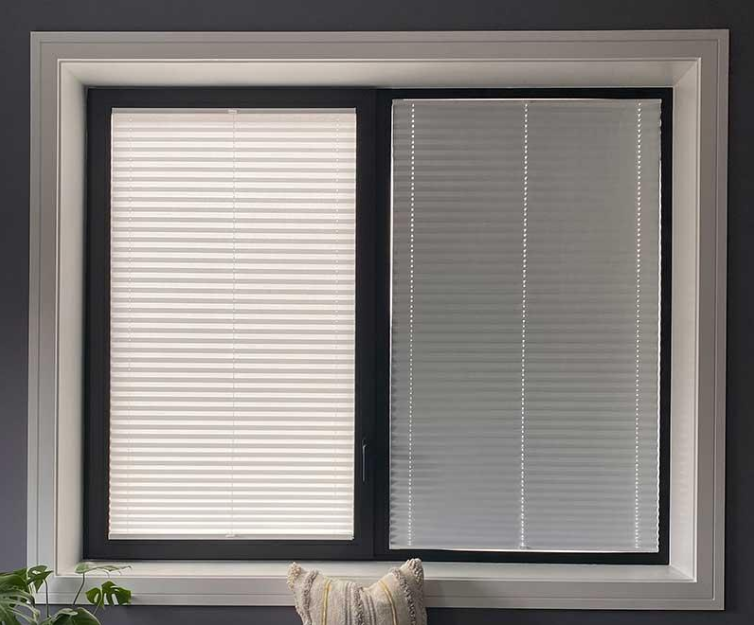
Introduction
Tilt and turn windows have become a defining feature of modern European windows, especially in contemporary homes that prioritize clean design and functionality. Their dual-opening mechanism, tilting inward for ventilation or swinging fully open, offers flexibility that traditional windows cannot match.
However, this same functionality creates a major challenge when selecting window coverings. Most standard blinds are not designed for tilt and turn windows, which leads to poor fit, restricted movement, and compromised aesthetics.
As a result, homeowners are increasingly looking for non-invasive installation solutions and custom shades designed specifically for European windows. The goal is no longer just decoration, it is full compatibility without damaging the window structure.
Why Tilt and Turn Windows Require a Specialized Blind System
Tilt and turn windows operate on an inward-opening mechanism that changes how blinds must function. Unlike fixed-frame windows, the glass and frame move into the room, meaning any blind must move with them.
This makes compatibility critical. Blinds that are not designed for tilt and turn windows can obstruct movement, interfere with handles, or prevent full opening of the window.
European windows demand a system that integrates with the frame rather than sits outside it. Without this, even premium blinds become impractical in daily use.
Why Standard Blinds Fail on European Windows
Most traditional blinds are designed for static window frames. They rely on wall mounting, top brackets, or drilled installations that do not account for inward-opening movement.
On tilt and turn windows, this creates multiple issues. Drilling into European windows can damage insulation layers and compromise airtight seals. It also permanently alters high-performance frames that are designed for precision engineering.
Even so-called no-drill solutions often fail in real-world use. Adhesive systems weaken with temperature changes, and tension-mounted blinds cannot remain stable when the window tilts inward. These limitations become even more noticeable with narrow blinds, where alignment is critical.
In short, standard systems are not built for the movement or structure of European windows.
What Makes Blinds Work for Tilt and Turn Windows
To function properly on tilt and turn windows, blinds must follow three essential principles.
First, they must use a frame-mounted design that attaches directly to the window rather than surrounding walls. This ensures the blinds move seamlessly with the window during both tilt and full opening.
Second, they must maintain a slim, narrow profile that fits within the limited depth of European windows without interfering with handles or hardware.
Third, they must remain stable in all positions without sagging, shifting, or detaching when the window is in motion.
When these requirements are met, blinds become part of the window system itself rather than an external addition.
The Importance of Non-Invasive Installation
Non-invasive installation is one of the most important innovations for tilt and turn windows. Instead of drilling into frames, these systems use engineered attachment methods that secure blinds without permanent modification.
For European windows, this is critical. It preserves insulation performance, maintains structural integrity, and avoids damaging precision-built frames.
No-screw installation also provides long-term flexibility. Homeowners can update or replace custom shades without altering the window itself, making it a more practical and future-proof solution.
This approach aligns perfectly with modern design expectations for clean, damage-free installation.
Custom Shades Designed for European Windows
Custom shades are essential for achieving a precise fit on tilt and turn windows. Unlike ready-made blinds, they are manufactured to exact frame measurements, ensuring complete alignment with narrow European window structures.
This eliminates gaps, improves light control, and maintains a seamless architectural appearance.
For tilt and turn windows, this level of precision is not optional. Even minor misalignment can interfere with movement or reduce functionality. Custom shades solve this by integrating directly into the window system.
How Ashland Blinds Solves Tilt and Turn Window Challenges
Ashland Blinds specializes exclusively in European windows and has developed a patent-pending non-invasive installation system designed specifically for tilt and turn windows.
Unlike traditional mounting methods, this system requires no drilling or screws. Instead, it uses a secure frame-mounted attachment method that holds the blinds firmly in place while preserving full window functionality.
This allows homeowners to tilt, turn, and fully open their windows without removing or adjusting the blinds. The system is engineered to move with the window, not against it.
Each blind is custom-made for narrow European window frames, ensuring a precise fit and clean, integrated appearance. The result is a long-term solution that combines durability, aesthetics, and seamless operation.
Why Installation Method Matters More Than Design
When selecting blinds for tilt and turn windows, many homeowners focus on fabric, color, or opacity. While these elements are important, they are secondary to the installation method.
If the system is not designed specifically for European windows, even high-quality materials can fail in practical use. Poor installation can block movement, create instability, or reduce the lifespan of both the blinds and the window.
A properly engineered non-invasive installation ensures that blinds enhance functionality rather than restrict it. This is the foundation of a reliable tilt and turn window solution.
Conclusion
Tilt and turn windows require a specialized approach that goes beyond traditional blind systems. Their inward-opening design and narrow European frames demand solutions that are precise, stable, and non-invasive.
Standard blinds and drilled installations are not compatible with this level of functionality. This has led to a growing demand for custom shades, narrow blinds, and no-screw installation systems designed specifically for European windows.
When properly engineered, blinds become an integrated part of the window system rather than an obstruction. With the right non-invasive installation method, homeowners can preserve full window functionality while achieving a clean, modern aesthetic without compromise.