BlitZ
BlitZ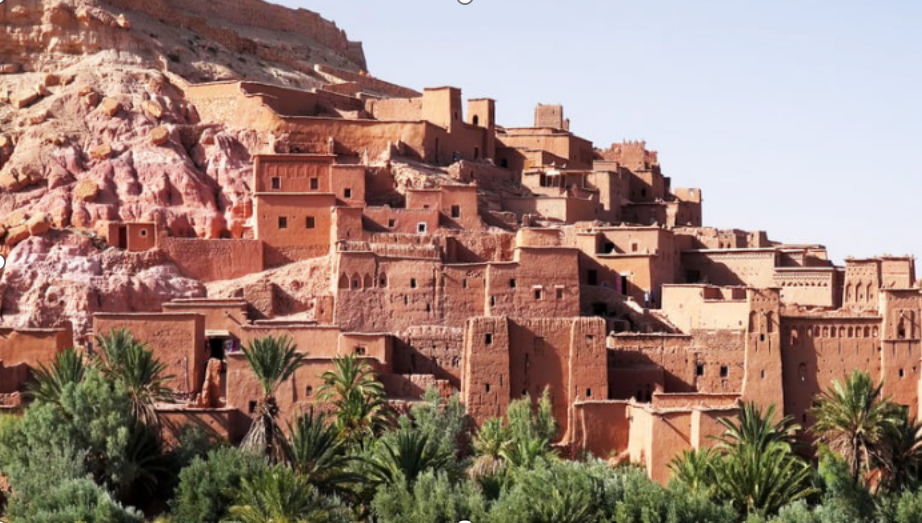
Introduction
Morocco is a destination that naturally invites photographers to slow down and observe. Every region presents a distinct visual identity, from the golden dunes of the Sahara to the layered textures of ancient medinas and the soft tones of coastal towns.
What makes Morocco especially compelling is not just its beauty, but the depth behind each scene. Every doorway, marketplace, and landscape carries a story shaped by history, culture, and daily life. For travelers who value meaningful experiences, photography becomes a way to connect rather than simply capture.
The country rewards patience, curiosity, and respect, offering moments that feel both spontaneous and timeless. This guide explores how to approach Morocco with intention, focusing on light, storytelling, and cultural awareness, so that every image reflects not only what is seen, but what is truly experienced.
Why Morocco Is a Dream Destination for Visual Storytelling
Morocco offers an exceptional range of visual elements that make it ideal for storytelling through photography. The diversity of its landscapes alone creates endless opportunities. Within a single journey, photographers can move from vast desert horizons to bustling city streets and then to quiet mountain villages. Each setting provides a unique atmosphere that encourages a different creative approach.
Architecture plays a central role in shaping Morocco’s visual identity. Intricate tilework, carved wood, and weathered walls create layers of detail that are both visually striking and culturally significant. These elements add depth to images and allow photographers to highlight craftsmanship that has been preserved for generations. Even the simplest scenes often carry a sense of history.
The human element further enriches the storytelling process. Daily life unfolds in vibrant ways, offering moments that feel authentic and unscripted. Whether it is a craftsman at work or a quiet interaction in a local market, these scenes provide emotional depth. When combined with the country’s diverse settings, they allow photographers to create images that feel both personal and culturally meaningful.
Mastering Light in Morocco’s Varied Landscapes
Light is one of the most important factors in photography, and Morocco provides a wide range of lighting conditions that can transform a scene completely. Understanding how light behaves in different environments allows photographers to create images that feel natural and visually compelling.
In the desert, early morning and late afternoon offer soft, warm tones that highlight the contours and create long, elegant shadows. These moments are ideal for capturing depth and texture. Midday light, while intense, can still be used creatively by focusing on patterns and contrast.
In the medinas, light filters through narrow alleyways and open courtyards, creating a mix of highlights and shadows. This interplay can be used to frame subjects and guide the viewer’s attention. Coastal regions introduce a softer, more diffused light that changes with the movement of clouds and ocean air.
By paying attention to these variations, photographers can adapt their approach to each setting. Timing and positioning become key decisions that influence how a scene is captured and how its story is conveyed.
Photographing the Chaos and Charm of the Medinas
The medinas are among Morocco’s most dynamic environments, filled with movement, color, and layered activity. Photographing these spaces requires a balance of observation and adaptability. Instead of trying to control the scene, photographers often achieve better results by blending into the surroundings and allowing moments to unfold naturally.
Textures and patterns play a significant role in these settings. From stacked goods in market stalls to the worn surfaces of ancient walls, every detail contributes to the visual richness of the environment. Capturing these elements helps create images that feel immersive and authentic.
For travelers exploring through moroccomeander.com, especially those considering Tours to Morocco from USA , navigating the medinas with local insight can make a meaningful difference. Knowing when to pause, where to stand, and how to approach subjects respectfully enhances both the experience and the quality of photographs.
Patience is essential. Waiting for the right moment, when light, movement, and composition align, often results in images that truly reflect the energy and character of these historic spaces.
Ethical Photography: Respecting People and Traditions
Photography in Morocco is not only about capturing beautiful images but also about engaging with people and culture in a respectful way. Ethical practices ensure that photography remains a positive and meaningful experience for both the photographer and the subject.
Seeking permission before photographing individuals is a fundamental step. It shows respect and helps build trust, often leading to more natural and expressive portraits. A simple gesture or conversation can transform a photograph into a shared moment rather than an intrusion.
Understanding cultural norms is equally important. Certain situations or locations may not be appropriate for photography, and being aware of these boundaries helps maintain respect for local traditions. Observing before acting allows photographers to make informed decisions.
Avoiding stereotypes is another key consideration. Images should aim to represent individuals and communities authentically, without reducing them to simplified or exaggerated portrayals. When approached thoughtfully, photography becomes a way to celebrate culture and create genuine connections.
Desert Photography: Capturing Scale, Texture, and Silence
The Sahara presents a unique environment that challenges traditional approaches to photography. Its vast openness and minimal features encourage a focus on composition, scale, and subtle detail. Rather than relying on complexity, photographers are invited to work with simplicity.
The dunes provide natural patterns that shift with the light, creating textures that are both delicate and dramatic. Early and late hours of the day are especially effective for capturing these details, as shadows add depth and dimension to the scene.
Including a subject within the frame can help convey scale. A single figure walking across the landscape or a distant silhouette against the horizon emphasizes the vastness of the desert. This contrast creates a strong visual impact.
Silence is another defining quality of the Sahara. Images that reflect this stillness often feel more powerful. By focusing on balance and space, photographers can create compositions that evoke a sense of calm and introspection, capturing the essence of the desert experience.
Coastal and Mountain Landscapes: A Different Visual Mood
Morocco’s coastal and mountain regions offer a refreshing contrast to the desert, introducing new tones, textures, and atmospheres. These areas expand the visual narrative and provide opportunities to explore different styles of photography.
Along the coast, the presence of water brings movement and energy to images. Waves, reflections, and changing skies create dynamic compositions that feel alive. Coastal towns also offer scenes of daily life that are shaped by the rhythm of the sea.
In the mountains, the landscape becomes layered and textured. Villages built into the hillsides, winding paths, and dramatic viewpoints create depth within the frame. The light here is often softer, adding a gentle quality to images.
Exploring these regions allows photographers to capture a broader perspective of Morocco. The contrast between environments highlights the country’s diversity and adds richness to any photographic journey.
Working with Local Guides to Access Hidden Photo Spots
Local guides provide valuable insight that can greatly enhance a photography experience in Morocco. Their familiarity with the landscape and culture allows photographers to access locations that are often overlooked.
Guides can recommend the best times to visit certain places, ensuring that light and activity align for optimal results. They also understand how to navigate less crowded areas, which can lead to more intimate and authentic images.
Cultural guidance is equally important. A local guide can help facilitate respectful interactions with communities, making it easier to approach subjects and capture meaningful moments. This support often leads to stronger storytelling.
Working with a knowledgeable guide allows photographers to focus on creativity while benefiting from local expertise. It transforms the journey into a more immersive and rewarding experience.
Gear Essentials for a Morocco Photography Journey
Preparing the right equipment is essential for capturing the variety of scenes that Morocco offers. The goal is to strike a balance between versatility and practicality, ensuring that gear supports creativity without becoming a burden.
- Versatile lenses for different environments: A combination of wide-angle and mid-range lenses allows photographers to capture both expansive landscapes and detailed scenes. This flexibility ensures that no moment is missed, regardless of the setting.
- Lightweight and durable equipment: Traveling through cities and remote areas often involves long periods on foot. Choosing gear that is easy to carry while still reliable helps maintain comfort throughout the journey.
- Protection against environmental conditions: Dust and heat can affect camera performance, especially in desert areas. Using protective covers and cleaning tools helps keep equipment in good condition.
- Extra batteries and storage capacity: Remote locations may not offer convenient charging options. Carrying spare batteries and memory cards ensures that photographers can continue shooting without interruption.
Selecting the right gear allows for a smoother experience and greater focus on capturing meaningful images.
Telling a Story Through a Cohesive Photo Series
Creating a strong collection of images involves more than capturing individual moments. A cohesive photo series allows photographers to present a complete narrative that reflects the depth of their experience.
This process begins with identifying a theme. Whether focusing on daily life, architecture, or landscapes, having a clear direction helps create consistency. Each image then contributes to a larger story rather than standing alone.
Sequencing is also important. Arranging images in a thoughtful order can guide the viewer through the journey, creating a sense of progression. Starting with wide scenes and gradually moving into more detailed shots often works well.
Attention to visual elements such as color and composition further strengthens the series. Repeating patterns or tones can create a sense of harmony. By approaching photography as storytelling, the final collection becomes more engaging and meaningful.
Editing and Preserving the Authentic Feel of Morocco
Editing plays an important role in refining photographs, but it should enhance rather than alter the essence of the scene. Morocco’s natural colors and textures are already rich, so subtle adjustments are often the most effective.
- Maintaining natural color balance: Adjusting colors carefully helps preserve the authenticity of each scene. Over-saturation can make images feel unrealistic, while balanced tones keep them true to life.
- Enhancing contrast without losing detail: Small adjustments can highlight textures in architecture and landscapes. Maintaining detail ensures that images retain their depth and character.
- Preserving natural skin tones in portraits: Accurate skin tones are essential for respectful representation. Gentle editing helps maintain realism and dignity.
- Applying a consistent editing style: Using similar tones and adjustments across images creates a unified look. This consistency strengthens the overall narrative of the photo series.
Thoughtful editing ensures that images remain authentic while still achieving a polished and professional finish.
Conclusion
Morocco offers a rich and layered environment for photographers who seek more than surface-level images. Its diverse landscapes, vibrant culture, and dynamic light create endless opportunities for meaningful storytelling. By approaching each moment with patience, awareness, and respect, photographers can capture scenes that reflect both beauty and depth.
From the energy of the medinas to the stillness of the desert, every setting contributes to a larger narrative. With the right balance of preparation and openness, Morocco becomes more than a destination. It becomes a place where photography transforms into a powerful way of seeing and understanding the world.