Khizar Seo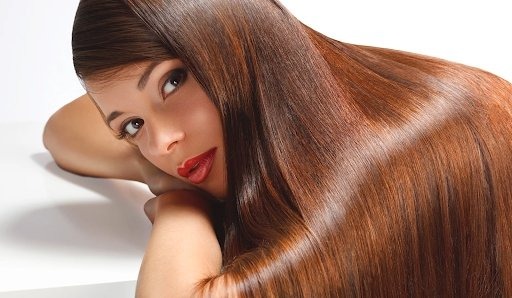
Healthy hair rarely comes from one miracle product. It comes from daily habits. How you wash your hair, what you eat, how you treat your scalp, and even how you style your hair all play a role. Most people focus only on shampoos or conditioners, but hair health begins at the scalp and inside the body.
Dermatology providers often remind patients that hair behaves like any other tissue in the body. When the scalp is healthy and the body receives proper nutrients, hair grows stronger and more resilient.
Start With a Healthy Scalp
Hair grows from follicles located in the scalp. If the scalp becomes inflamed, clogged with product buildup, or overly dry, hair growth can slow down and shedding may increase.
Keeping the scalp clean without over-washing is important. Excess oil, sweat, and styling products can accumulate around hair follicles. Gentle shampoos help remove buildup while protecting natural oils that keep the scalp balanced.
People with dandruff, irritation, or persistent itching should consider seeing a dermatology provider. Treating scalp conditions early often improves hair health.
What Does Conditioner Do to Your Hair?
Conditioner plays a simple but important role in hair care. Shampoo cleans the scalp and removes oil and dirt, but it also lifts the outer layer of the hair shaft called the cuticle.
Conditioner smooths that layer again. When the cuticle lies flat, hair becomes softer, shinier, and easier to manage. This also reduces friction between strands, which helps prevent breakage and split ends.
Applying conditioner mainly to the mid-lengths and ends of the hair works best. Those areas lose moisture more easily and benefit most from conditioning.
Nutrition Matters for Hair Growth
Hair is made mostly of protein, which means diet directly affects hair health. When the body lacks certain nutrients, hair may become thinner or more fragile.
Iron deficiency, low protein intake, and insufficient vitamins can all contribute to increased shedding. Foods rich in protein, leafy greens, nuts, and healthy fats help support hair growth.
Hydration also matters. Dry hair often reflects dehydration or environmental exposure.
Avoid Excess Heat and Chemical Stress
Frequent heat styling can weaken the hair shaft. Blow dryers, curling irons, and straighteners remove moisture and make hair more prone to breakage.
Chemical treatments such as bleaching, relaxing, or perming also stress the hair structure. While many people still choose these treatments, spacing them out and using conditioning treatments can help reduce damage.
Be Gentle With Wet Hair
Hair becomes more fragile when wet. Aggressive brushing or towel rubbing can stretch and break strands.
Instead, gently pat hair dry with a towel and use a wide-tooth comb to detangle slowly. Starting from the ends and working upward helps prevent unnecessary breakage.
Can Adults Use Diaper Rash Cream for Skin Irritation?
Interestingly, some adults use diaper rash creams to treat certain types of skin irritation. These creams usually contain zinc oxide, which creates a protective barrier on the skin.
Adults may apply diaper rash cream to areas prone to moisture and friction, such as inner thighs or skin folds. It helps calm redness and protects irritated skin while it heals.
However, persistent rashes or unusual skin irritation should be evaluated by a medical professional to determine the underlying cause.
Stress and Hormones Affect Hair
Hair growth cycles respond to hormonal changes and stress levels. Events such as illness, major life stress, pregnancy, or hormonal imbalance can temporarily increase hair shedding.
In many cases, this type of shedding improves once the body returns to balance. However, ongoing hair loss may require medical evaluation to rule out thyroid issues, nutritional deficiencies, or genetic hair loss.
When to Seek Professional Advice
Occasional shedding is normal. Most people lose dozens of hairs each day as part of the natural growth cycle. Problems arise when hair loss becomes noticeable, patchy, or persistent.
A dermatology provider can examine the scalp, evaluate possible causes, and recommend treatments if needed. Early evaluation often leads to better outcomes.
Healthy hair usually reflects overall health. Taking care of the scalp, maintaining a balanced diet, reducing damage from styling, and using the right hair care products all contribute to stronger, healthier hair over time.