Danish
The Riviera Maya is more than just a destination; it is a 75-mile stretch connecting lush jungles, the Caribbean Sea, and vibrant urban hubs. From the moment your plane touches down in the Mexican Caribbean, you are faced with a transportation ecosystem that can be as fascinating as it is overwhelming. Traveling “correctly” through this region doesn’t necessarily mean overspending; it means knowing where to invest so that logistics don’t consume your precious vacation time.
The First Contact: Cancun Airport
Cancun Airport is one of the busiest in the world. As you exit the terminal, the intensity of the tropical humidity hits you along with the roar of hundreds of people. This is precisely where first-time travelers often make the costliest mistake of their trip: attempting to take a taxi directly at the curb without a prior reservation.
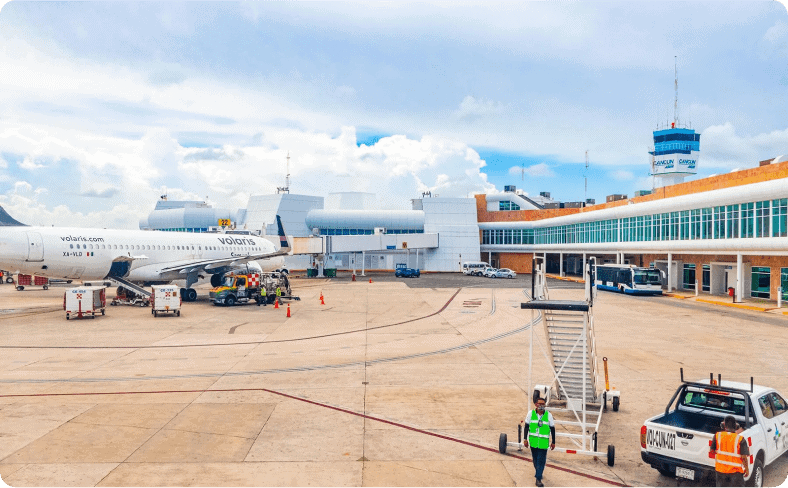
Unlike other global cities where official airport taxis are the standard, the pricing structure here is incredibly complex. Taxis operating directly at the terminal often have arbitrary rates that can triple the cost of a pre-booked service. Furthermore, the pressure from “touts” or aggressive vendors can create unnecessary stress before your vacation even begins. For safety, and above all, for your financial health, the golden rule is never board a taxi directly at the terminal without a prior arrangement.
Transportation Logistics: Prioritizing Peace of Mind
For those looking for the right way to get around, the current trend among frequent travelers is using scheduled private transfers. This method has gained significant ground over shared shuttle buses—which can be slow and often drop you off far from your specific lobby—and conventional street taxis.
In this context, it is essential to rely on local experts who understand the geography of the area. Opting for a Cancun Airport Transportation service through specialized companies like Caribbean Transfers has become the standard for those who value their time. It’s not just about luxury; it’s a practical matter. Upon landing, you have a designated vehicle waiting for you with a locked-in price and professional drivers who know the alternate routes to bypass the frequent traffic jams on Federal Highway 307.
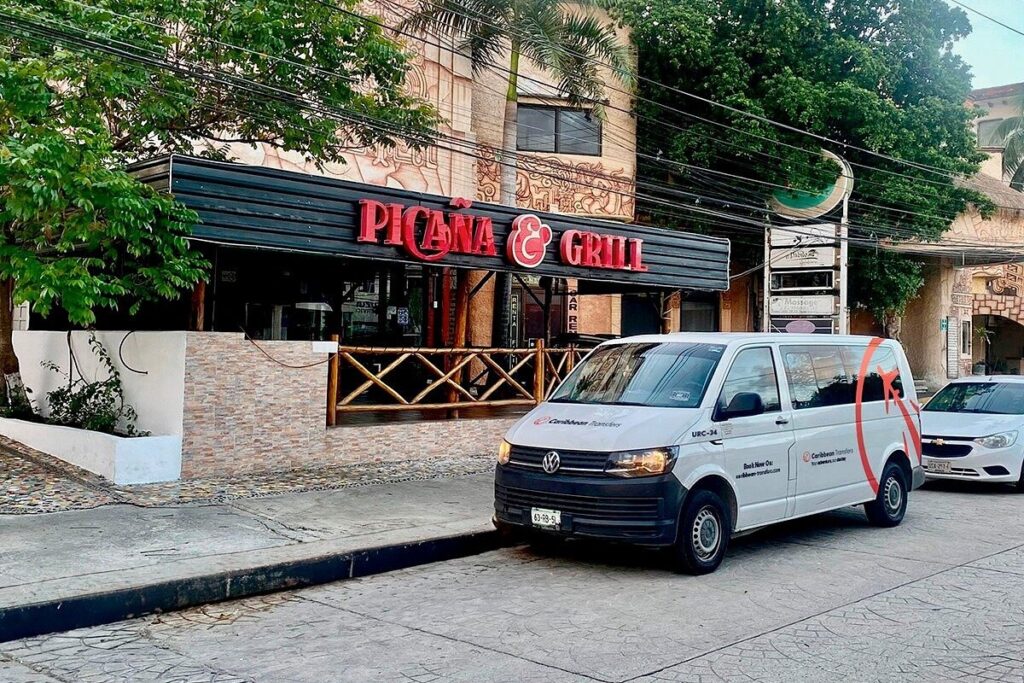
This type of transport eliminates the uncertainty of not knowing the final fare or whether the vehicle’s air conditioning can handle the region’s extreme heat.
How to Get Around Once You Arrive
Once you’ve cleared the airport-to-hotel leg, the Riviera Maya offers different layers of mobility depending on your traveler profile:
- The “Colectivos” (Shared Vans): For the more adventurous or budget-conscious, the white shared vans that run along the main highway are an affordable way to move between Playa del Carmen and Tulum. It is an authentic way to travel, though it requires patience and some walking under the sun.
- Car Rentals: A Double-Edged Sword: Renting a car provides total freedom to visit secluded cenotes. However, you must consider the challenges of parking in Tulum (expensive and scarce) and occasional police checkpoints. If you choose to rent, ensure all insurance is included upfront to avoid hidden fees.
- Bicycles and Urban Mobility: In areas like La Veleta in Tulum or downtown Playa del Carmen, a bicycle is more than just a trendy accessory—it is often the fastest way to navigate local traffic.

The Value of Forethought
Traveling through the Riviera Maya the right way means understanding that the Caribbean has its own rhythm. While improvisation can lead to discovering magical spots, when it comes to transportation, improvising usually results in a loss of both time and money.
Booking ahead with reputable companies like Caribbean Transfers allows your arrival to become an invisible transition into relaxation rather than a hurdle to overcome. Ultimately, the goal is for your only concern to be deciding whether to spend the afternoon at a beach club or exploring an ancient Mayan ruin.