Khizar Seo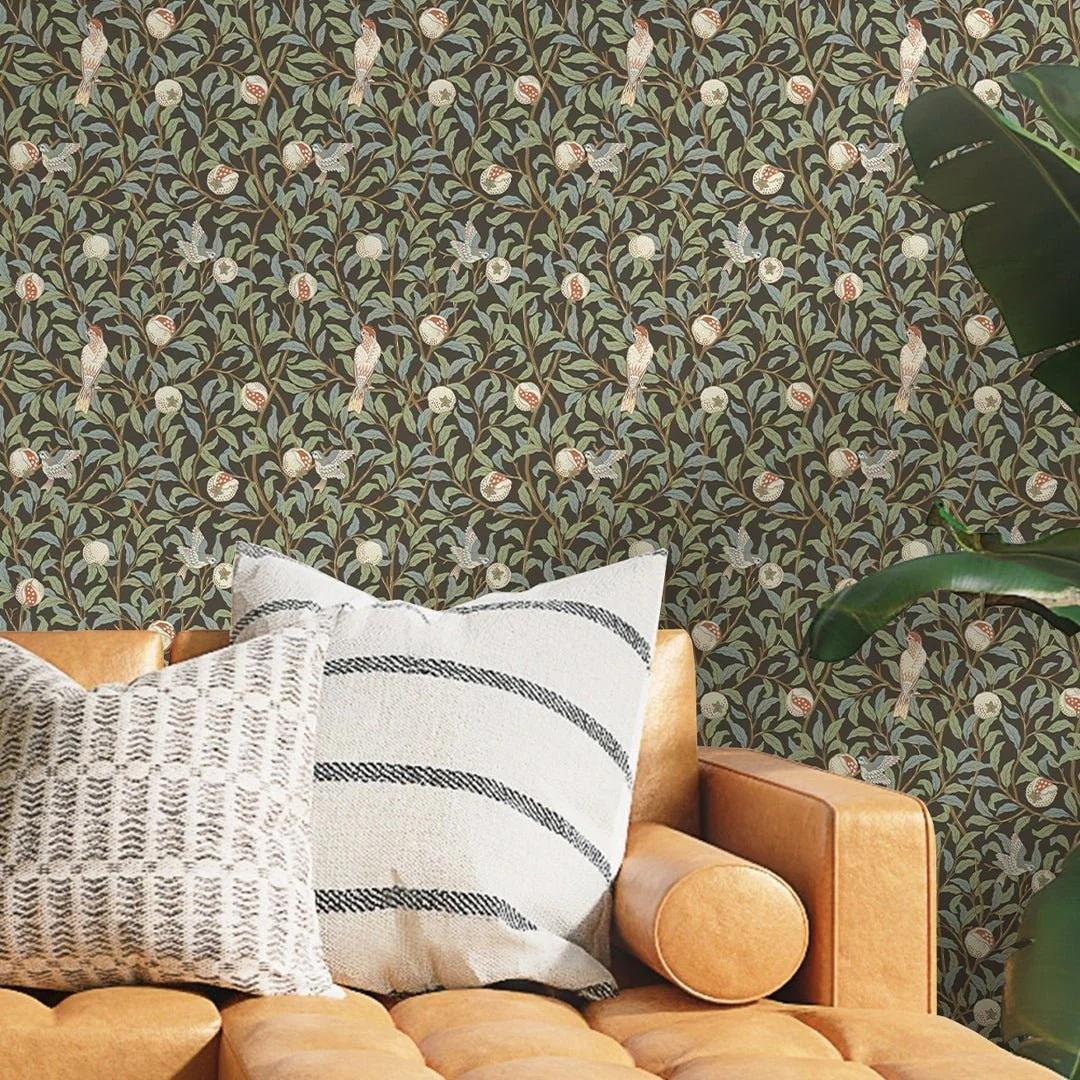
Botanical patterns have been part of interior design for centuries, but they are finding a new audience in contemporary homes. After years dominated by plain neutrals and minimalist walls, many interiors are becoming warmer, more expressive, and more connected to nature. Modern peel-and-stick wallpaper makes it easier to introduce these patterns without committing to traditional pasted wallpaper. Designs such as William Morris peel and stick wallpaper bring intricate leaves, flowers, and repeating natural forms into a room while working surprisingly well alongside contemporary furniture and décor.
At the same time, lighter wildflower patterns offer a softer interpretation of the botanical trend. Together, these styles show just how varied nature-inspired interiors can be.
Why Botanical Design Feels Relevant Again
One reason for the renewed interest in botanical patterns is the broader movement toward nature-inspired interiors.
Natural wood, stone, linen, earthy colors, houseplants, and organic shapes have become common ways to make homes feel warmer and more relaxed. Botanical wallpaper extends this idea to the walls.
Unlike a plain green or beige surface, a floral or foliage pattern introduces movement and detail.
It can also provide a useful bridge between different elements in a room. A wallpaper design containing green, cream, brown, and muted red, for example, can connect wooden furniture, neutral textiles, plants, and colored accessories within a single palette.
William Morris Patterns Work Beyond Traditional Homes
William Morris-inspired patterns are immediately recognizable for their dense compositions, repeating foliage, flowers, vines, and strong connection to the natural world.
Although these designs have historical roots, they do not need to be limited to period properties or traditionally furnished rooms.
One of the most interesting ways to use them is through contrast.
An intricate botanical wall can become the backdrop for a simple contemporary sofa, minimalist bed, modern lighting, or clean-lined dining furniture. Keeping other elements restrained allows the pattern to become the decorative focus without making the room feel dated.
Deep green, blue, rust, and earthy variations are particularly effective for creating richer, moodier interiors.
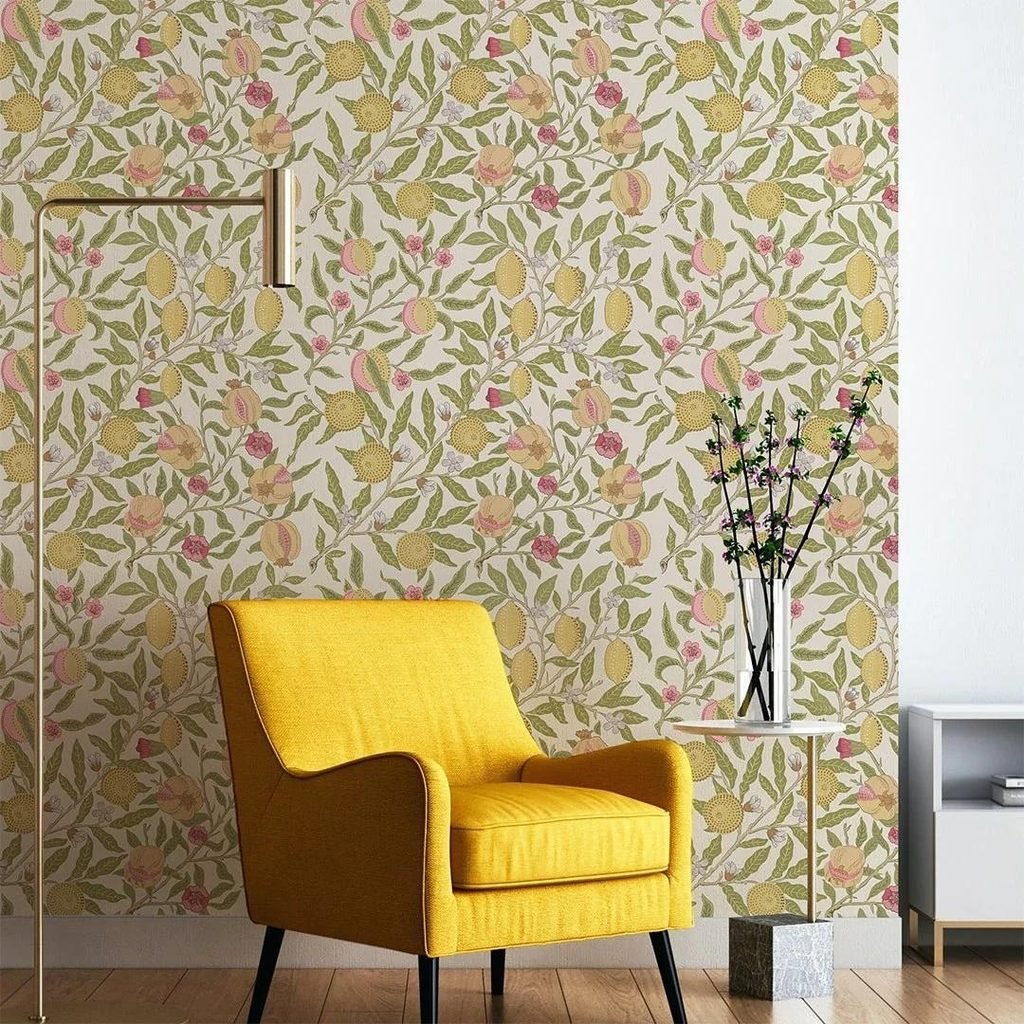
Wildflowers Offer a Lighter Botanical Look
Not every botanical interior needs dense foliage or dramatic color.
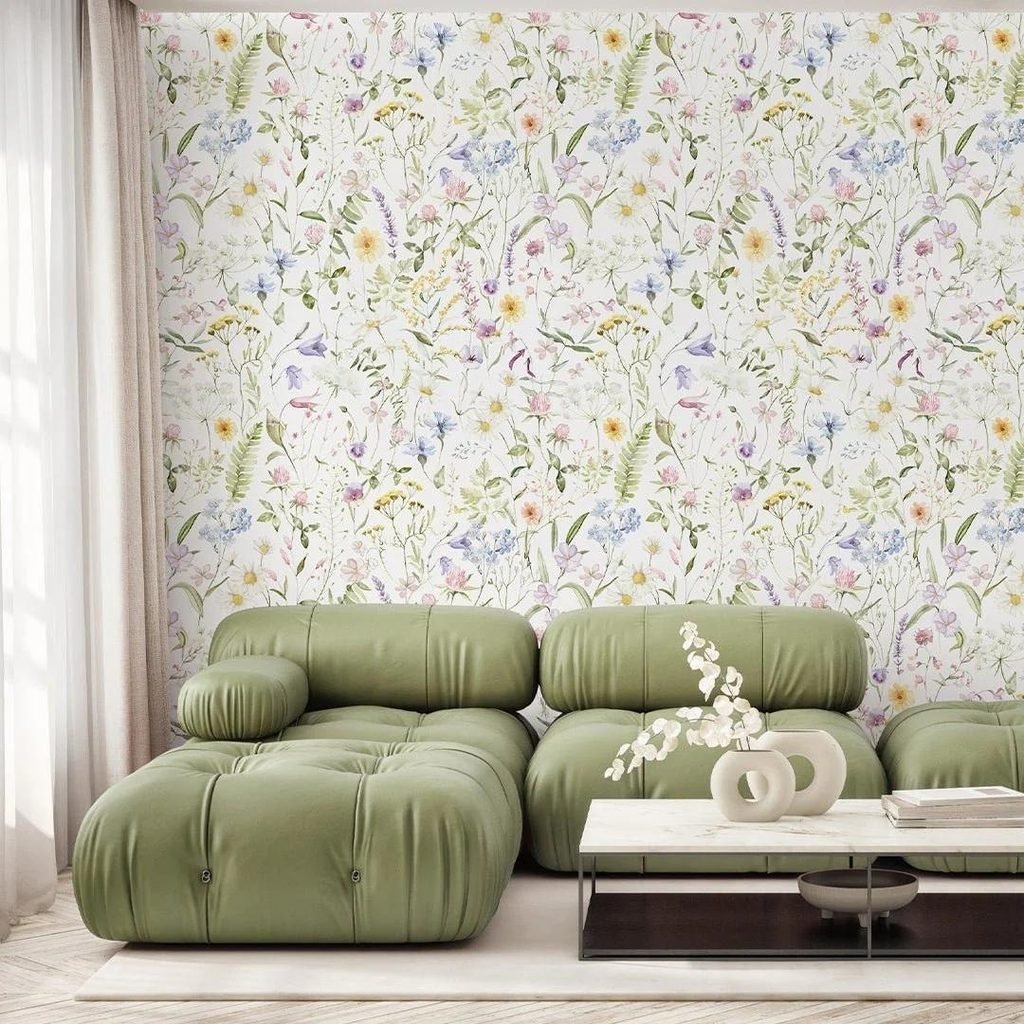
For homeowners who prefer something softer, wildflower wallpaper can introduce nature through delicate stems, scattered flowers, and more open compositions.
These designs can work especially well in bedrooms, nurseries, home offices, reading corners, and relaxed living spaces.
The amount of negative space around the flowers can also make wildflower patterns easier to combine with existing décor.
A subtle wildflower design may provide enough detail to make a wall interesting while still allowing artwork, furniture, and textiles to attract attention.
Use Botanical Wallpaper as an Accent
Botanical wallpaper does not need to cover an entire room.
A single feature wall can be enough to establish the theme.
Popular locations include the wall behind a bed, sofa, dining table, or desk. Botanical patterns can also bring character to smaller spaces such as entryways or powder rooms.
Peel-and-stick wallpaper makes this approach particularly practical for homeowners who enjoy changing their interiors over time.
Instead of treating wallpaper as a permanent architectural decision, it can become another decorative layer that can be updated as tastes change.
Coordinate the Pattern With the Room
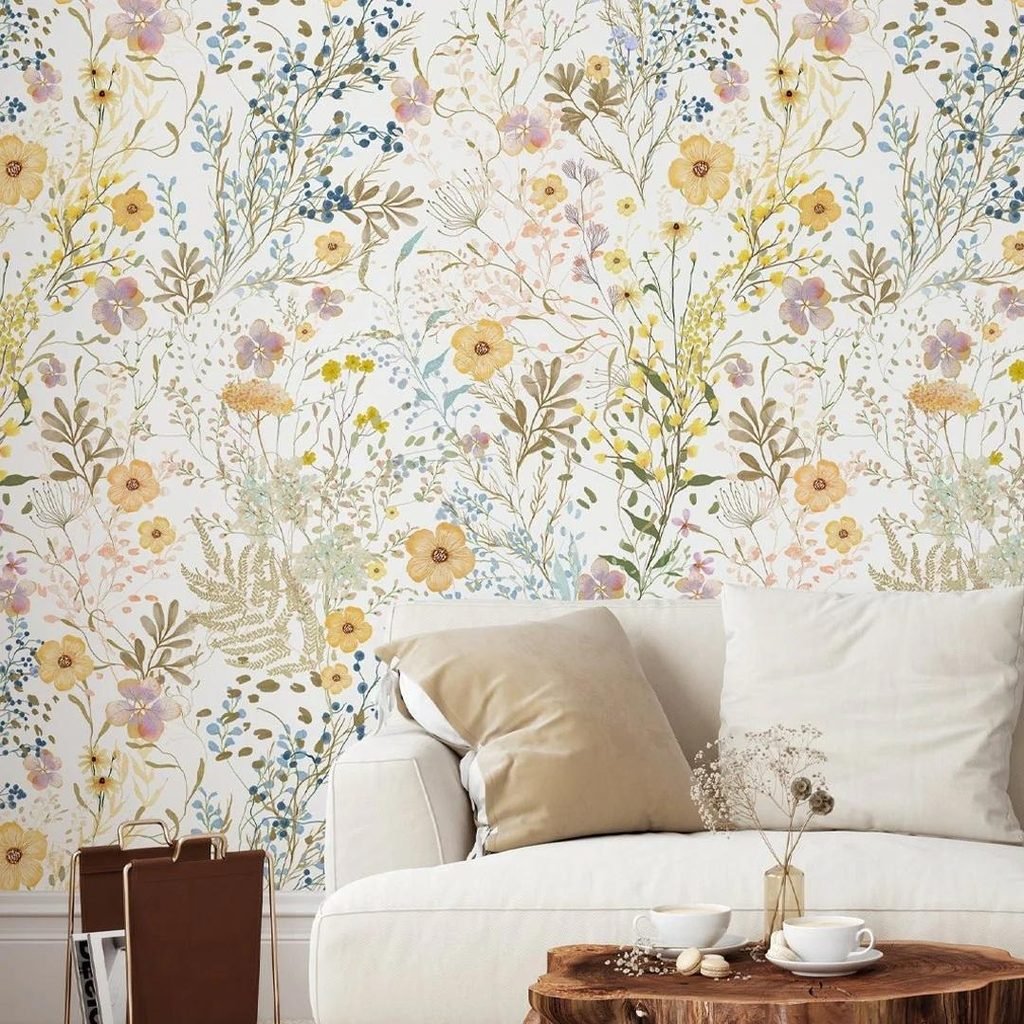
Because botanical wallpaper often contains several colors, it can provide a ready-made palette for the rest of the interior.
Rather than introducing unrelated colors, select a few shades from the wallpaper and repeat them elsewhere.
A green from the foliage might appear in cushions or upholstery. A warm floral tone could be repeated in artwork or ceramics. Neutral background colors can guide the choice of rugs and curtains.
There is no need to match everything exactly. Repeating a few related tones is usually enough to make the room feel intentional.
Pair Botanical Walls With Natural Materials
Nature-inspired wallpaper works particularly well with materials that reinforce the same feeling.
Wood furniture is an obvious choice, but linen, rattan, jute, wool, stone, and ceramics can also complement botanical designs.
The combination does not have to become rustic.
For a more contemporary result, pair botanical wallpaper with simple furniture shapes and limited accessories. For a maximalist interior, layer the pattern with richer textiles, artwork, vintage furniture, and decorative objects.
The same wallpaper style can therefore create very different results depending on what surrounds it.
Consider Pattern Density and Scale
Botanical patterns range from tiny scattered flowers to large leaves and dense repeating compositions.
Pattern density should be considered alongside the size and purpose of the room.
Large or intricate designs naturally attract more attention and can create a dramatic focal point. More open patterns tend to feel lighter and quieter.
This is one of the main differences between many William Morris-inspired and wildflower designs.
A dense heritage-style botanical can make a dining room or bedroom feel immersive and sophisticated, while a delicate wildflower print can provide a softer background.
Neither approach is inherently better. The right choice depends on how much visual impact the wall should have.
A Flexible Way to Bring Nature Indoors
The return of botanical wallpaper is part of a larger shift away from interiors that rely entirely on plain surfaces.
Homeowners are increasingly using pattern, texture, and color to give rooms more individual character.
Peel-and-stick formats make that experimentation more approachable. A dramatic William Morris-inspired design can create a rich feature wall, while delicate wildflowers can add a quieter connection to nature.
Both approaches allow botanical motifs to work in modern interiors without requiring the rest of the home to follow a traditional style.
By combining botanical wallpaper with contemporary furniture, natural materials, and a coordinated color palette, homeowners can create spaces that feel layered, personal, and connected to the natural world.