Khizar Seo
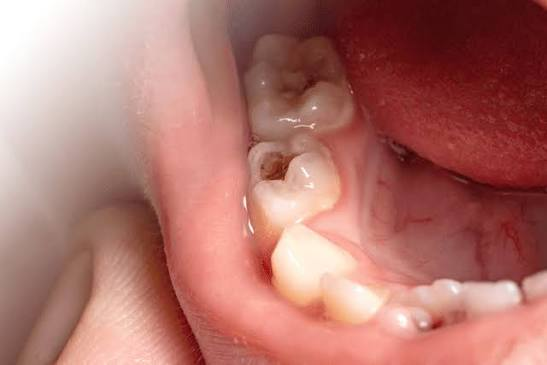
You might have noticed it during a bedtime brushing routine or in a photo, one tooth looks smaller, more pointed, fused, or shaped a little differently than the others. At first, it may seem like a harmless quirk. Then the questions start. Is this normal? Will it affect speech, chewing, or adult teeth later on? That uneasy shift from “maybe it’s nothing” to “should I get this checked?” is something many parents feel, and it may be the right time to contact an emergency pediatric dentist in Santa Clarita.
If your child has teeth that look different, the concern is not always about pain today. Sometimes the bigger issue is what an unusual shape can signal over time. In many cases, these changes are manageable, especially when a pediatric dentist keeps an eye on growth, spacing, and enamel health. The short version is simple. Oddly shaped teeth may need closer monitoring because they can affect bite development, cleaning, enamel strength, and the way adult teeth come in.
Why can unusual tooth shapes in children point to bigger issues later?
Some children are born with teeth that are peg shaped, extra small, joined together, or uneven in surface texture. According to MedlinePlus information on tooth abnormalities, tooth shape, size, number, and structure can vary for several reasons, including genetics and developmental changes. That does not automatically mean something is wrong, but it does mean the tooth should be watched with care.
Why does that matter so much? Because baby teeth do more than hold space. They help guide speech, chewing, jaw growth, and the path of incoming adult teeth. When a tooth is shaped differently, it can change how nearby teeth fit together and how easily plaque builds up around it.
That is one reason monitoring abnormal tooth development in children can be so helpful. A small difference early on may stay simple, or it may become harder to manage if crowding, wear, or decay starts to build.
Could unusual tooth shapes make brushing and decay prevention harder?
Yes, and this is one of the most common reasons for closer follow-up. Deep grooves, uneven edges, and crowded spacing can create places where food and plaque collect. Even when you are brushing well at home, those spots may be harder to reach.
This matters because tooth decay is still very common in children. The CDC oral health findings show that cavities remain a major issue for kids in the United States. So if a child already has a tooth shape that traps bacteria more easily, that can raise the risk further.
You may also notice a pattern that feels confusing. One child can have an unusual tooth shape and no problems at all, while another develops staining, sensitivity, or early cavities. That is why a generic “wait and see” approach does not always feel reassuring. Watching the tooth closely gives you clearer answers based on your child, not just a guess.
What if the shape is really an enamel issue and not just a cosmetic difference?
Sometimes a tooth that looks odd is not only shaped differently. The enamel itself may be thin, weak, pitted, or discolored. In some children, that can be linked to inherited conditions such as amelogenesis imperfecta, which affects how enamel forms.
So, where does that leave you? It means appearance alone does not tell the full story. A tooth may seem like a cosmetic concern, yet the deeper issue could be strength and protection. Weak enamel can lead to sensitivity, faster wear, and a greater chance of decay. That is one more reason a child with unusual tooth shapes in children may need regular checks instead of a one time glance.
Can oddly shaped baby teeth affect adult teeth and bite alignment?
They can. Baby teeth act like placeholders, and if one is misshapen, undersized, or fused, it may change the amount of room available for adult teeth. In some cases, the adult tooth underneath may also come in with a variation in size or shape.
Think about a common “what if” scenario. What if a front baby tooth is much smaller than expected? The space around it may shift. Nearby teeth can drift, and later the permanent tooth may erupt into a tighter area. What looked minor at age four can turn into crowding or bite concerns by age eight or nine.
This is where a pediatric dental provider can do more than react. They can track timing, compare growth over time, and look for signs that early orthodontic planning or protective treatment may help.
How do the main risks compare when a child has a tooth shape difference?
Not every child faces the same challenges, but this side by side view can help you understand what closer monitoring is meant to catch.
| Concern | What You Might Notice at Home | Why Monitoring Helps |
| Cleaning difficulty | Plaque around grooves, edges, or crowded areas | Helps catch early decay before it becomes painful or costly |
| Weak or abnormal enamel | Yellowing, chipping, rough texture, sensitivity | Allows early protection with fluoride, sealants, or other care |
| Spacing or crowding changes | Teeth drifting, overlap, gaps, or bite changes | Shows whether jaw growth and adult tooth eruption are staying on track |
| Underlying developmental condition | Several teeth affected, repeated wear, family history | Supports a fuller plan instead of treating each symptom separately |
What can you do right now if your child has an unusual tooth shape?
1. Take clear photos and note any changes.
A quick photo every few months can help you spot changes in color, wear, spacing, or eruption. If a tooth chips easily or starts looking more yellow or rough, that is useful information to bring to an exam.
2. Ask specific questions at the next dental visit.
Instead of only asking if the tooth is “normal,” ask whether it affects cleaning, enamel strength, bite development, or the adult tooth underneath. Those questions often lead to more useful answers and a better follow-up plan from a pediatric dentist.
3. Keep preventive care steady at home.
Brush twice a day with fluoride toothpaste, help your child clean tricky areas, and stay alert for sensitivity or food getting stuck in the same spot. If the shape makes brushing harder, your dentist may suggest small technique changes that make daily care easier.
When should concern turn into action?
If the tooth looks very small, fused, rough, discolored, sharp, or out of place, it is worth having it evaluated. The same is true if your child has pain, sensitivity, trouble biting, repeated plaque buildup, or several teeth that seem affected. Most of the time, the goal is not to alarm you. It is to avoid missing a problem that is easier to manage early.
When something about your child’s smile feels off, trust that instinct. A watchful approach can protect comfort, function, and future alignment, and it can give you peace of mind too. If you are concerned about a tooth shape difference, schedule an evaluation with a pediatric dentist and ask what kind of monitoring makes sense for your child.