Apex Backlinks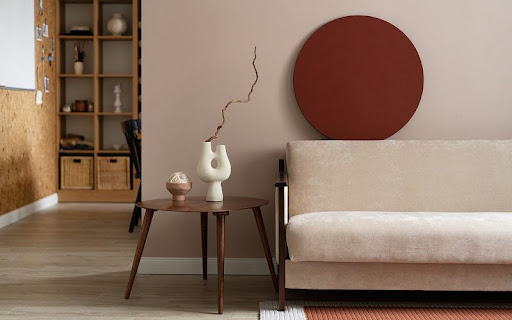
Key Highlights
- Avoid using too many matching vintage pieces to prevent a “showroom” look.
- A correct scale is vital for maintaining the functionality of the room.
- Failing to balance wood tones can make the space feel heavy or monotonous.
- Neglecting modern comfort can make the design feel like a museum rather than a home.
Introduction
The enduring appeal of mid-century modern interior design lies in its clean lines, organic curves, and focus on functionality. Originally rising to prominence between the 1940s and 1960s, this style has seen a massive resurgence in contemporary homes across the globe. However, achieving the perfect balance between retro charm and modern sophistication is more difficult than it appears.
Many homeowners enthusiastically buy iconic pieces but find that the final result feels cluttered, dated, or uncomfortable. The key to a successful execution is to treat the style as an inspiration rather than a strict set of rules. By understanding the common pitfalls of this aesthetic, you can create a space that feels curated, timeless, and perfectly suited for 21st-century living.
1. Creating a Time Capsule Instead of a Home
The biggest mistake people make with mid-century modern interior design is adhering too strictly to the period. When every single piece of furniture, art, and lighting comes from the 1950s, the room can end up looking like a movie set or a museum display rather than a lived-in home. To avoid this, you should mix your vintage-inspired pieces with contemporary elements.
For instance, pair a classic teak sideboard with a modern, minimalist sofa or an abstract contemporary rug. This “high-low” mix adds depth and personality to the space. The goal is to capture the spirit of the era while acknowledging that we live in a different time with different functional requirements and tastes.
2. Ignoring Scale and Proportions
Mid-century modern furniture is known for its slender legs and lower profiles, which were designed for the smaller post-war homes of the mid-20th century. However, if you place these small-scale pieces in a very large modern room with high ceilings, they can look lost or undersized. Conversely, over-stuffing a small apartment with bulky iconic armchairs can make the space feel claustrophobic.
Success in mid-century modern interior design requires a keen eye for proportion. You must ensure that the “visual weight” of your furniture is distributed evenly. If you have a low-slung coffee table, consider adding a taller floor lamp or high-back shelving unit to draw the eye upward and balance the horizontal lines.
3. Clashing Wood Tones and Lack of Contrast
Wood is the primary material in this design style, usually in the form of teak, walnut, or rosewood. A common error is either having too many different types of wood that clash or, more frequently, having everything in the exact same shade of brown.
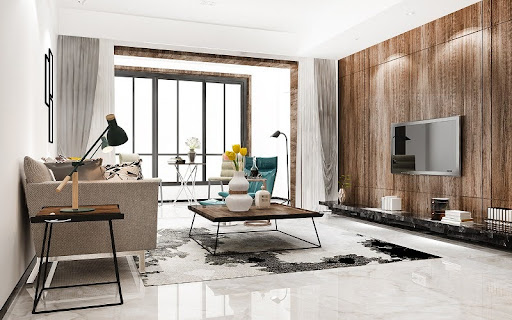
A room full of identical walnut furniture can feel flat and uninspiring. To master mid-century modern interior design, you should aim for a variety of textures and complementary tones. If you have a dark walnut dining table, try using chairs with metal legs or upholstered seats to break up the timber. Introducing different materials like marble, brass, or leather provides the necessary contrast to make the wood grain truly pop.
ALSO READ: Modern Contemporary Interior Design: Nature-Inspired Ideas for Your HDB Home
4. Overlooking the Importance of Comfort
While the aesthetic of mid-century modern interior design is undeniably beautiful, the original pieces were not always designed with modern ergonomic standards in mind. Some vintage chairs, while visually stunning, can be quite stiff or uncomfortable for long-term use. A mistake many make is choosing form over function. When selecting furniture, always test it for comfort or look for modern reproductions that have updated internal cushioning.
Additionally, do not forget to add soft elements like plush rugs, throw pillows, and curtains. The original mid-century style was often quite sparse, but adding these “soft” layers makes the home feel warm and inviting, preventing it from feeling too cold or “hard.”
Conclusion
Mid-century modern style is a wonderful way to bring character and history into your home, but it requires a thoughtful touch. By avoiding the trap of being too literal, paying attention to the scale of your furniture, and ensuring a mix of textures and comfort, you can achieve a look that is both nostalgic and fresh. The most successful interiors are those that reflect the owner’s personality through a curated blend of old and new. Whether you are a dedicated collector of vintage pieces or just starting with a few key items, keep these principles in mind to ensure your home remains a stylish and comfortable sanctuary.
Visit HOFT to learn how we can help you master mid-century modern interior design in your own home.