IQnewswire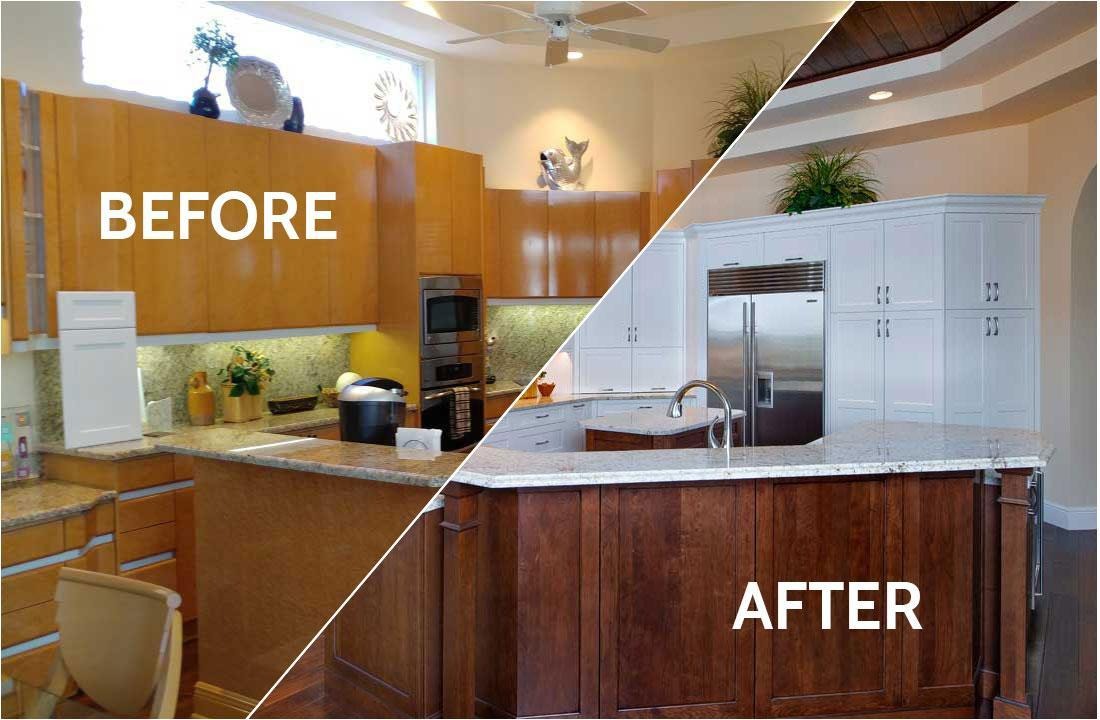
A whole-home renovation is one of the most complex and impactful projects a homeowner can take on. Unlike a single-room update, a full renovation involves multiple trades, overlapping timelines, structural considerations, permits, inspections, and countless decisions that affect how the entire home functions. For projects of this scale, hiring a qualified general contractor is not just helpful—it is essential.
A general contractor acts as the central point of coordination, accountability, and execution, ensuring that the renovation moves forward efficiently and safely from start to finish.
The Complexity of a Whole-Home Renovation
Whole-home renovations often involve structural changes, plumbing and electrical updates, HVAC modifications, flooring, cabinetry, finishes, and exterior work—all happening in a carefully sequenced order. One delay or misstep can ripple through the entire project.
Managing this level of complexity independently requires professional-level knowledge of construction sequencing, building codes, material lead times, and trade coordination. A general contractor brings this expertise to the table, reducing the risk of costly mistakes and keeping the project on track.
Rather than juggling multiple contractors and suppliers yourself, a general contractor oversees the entire process and ensures that each phase happens at the right time and to the right standard.
One Point of Accountability
One of the most significant advantages of hiring a general contractor is having a single point of responsibility. When multiple trades are involved—framers, electricians, plumbers, drywallers, painters, flooring installers—issues can arise if roles and expectations are unclear.
A general contractor assumes responsibility for scheduling, quality control, and problem-solving. If something goes wrong, you’re not caught in the middle trying to determine who is responsible. The contractor coordinates corrections, communicates with trades, and keeps the project moving forward.
This clarity reduces stress and minimizes disputes during what can otherwise be an overwhelming process.
Professional Project Management Saves Time and Money
While some homeowners consider acting as their own general contractor to save money, this approach often leads to higher costs in the long run. Inexperienced scheduling, improper sequencing, and missed details can cause delays, rework, and budget overruns.
A professional general contractor manages timelines efficiently, orders materials strategically, and coordinates trades to minimize downtime. Their experience allows them to anticipate challenges before they become problems, saving both time and money.
They also understand how to balance budget priorities—helping homeowners invest where it matters most while avoiding unnecessary expenses.
Code Compliance and Permits Handled Properly
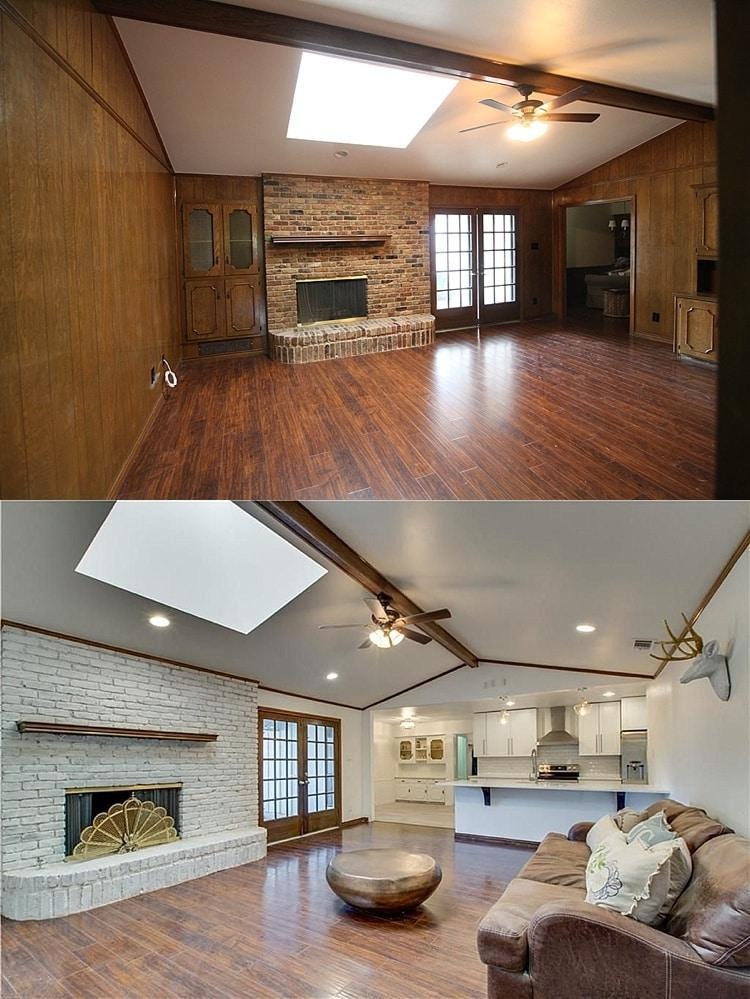
Whole-home renovations typically require permits and inspections, particularly when structural, electrical, or plumbing work is involved. Navigating municipal requirements can be confusing and time-consuming for homeowners.
A general contractor ensures that all work complies with local building codes and that the proper permits are obtained before construction begins. They coordinate inspections and address any issues raised by inspectors promptly.
This not only protects homeowners legally but also ensures the renovation meets safety standards and maintains the home’s long-term value.
Coordination Between Design and Construction
In a full renovation, design decisions and construction execution must work hand in hand. Changes to layout, wall placement, ceiling heights, or mechanical systems require careful coordination to avoid conflicts.
A general contractor works closely with designers, architects, and engineers to translate plans into reality. When adjustments are needed—as they often are—the contractor helps evaluate feasibility, cost implications, and timing before moving forward.
This collaboration helps prevent design oversights from turning into construction delays or compromises.
Quality Control Across the Entire Home
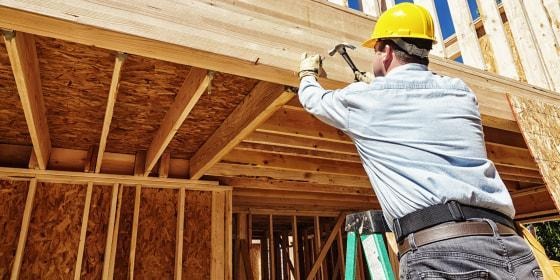
Consistency matters in a whole-home renovation. Flooring transitions, trim profiles, cabinetry alignment, tile layouts, and finish quality all contribute to how cohesive the final result feels.
A general contractor oversees workmanship across every trade to ensure consistent standards are met throughout the home. They inspect work at each stage, address deficiencies, and ensure that the finished product aligns with expectations.
This level of oversight is difficult to achieve without professional experience and presence on site.
Managing the Unexpected
No renovation—especially a full-home renovation—goes exactly as planned. Once walls are opened, unforeseen issues such as outdated wiring, plumbing problems, or structural concerns can surface.
An experienced general contractor knows how to respond calmly and effectively when surprises arise. They can assess the issue, present options, adjust timelines, and coordinate solutions without derailing the entire project.
For homeowners, this expertise provides reassurance during moments that could otherwise feel overwhelming.
Protecting Your Time and Energy
A whole-home renovation demands hundreds of decisions and constant coordination. Without a general contractor, homeowners often find themselves fielding calls, resolving trade conflicts, tracking deliveries, and managing schedules—on top of their regular responsibilities.
Hiring a general contractor allows homeowners to stay informed without being consumed by the process. Communication becomes streamlined, decisions are presented clearly, and day-to-day management is handled professionally.
This protection of time and mental energy is often one of the most appreciated benefits.
Long-Term Value and Peace of Mind
A well-executed whole-home renovation doesn’t just improve how a house looks—it improves how it functions and how it holds value over time. Proper installation, code compliance, and coordinated execution all contribute to durability and resale appeal.
By hiring a qualified general contractor, homeowners gain confidence that the renovation has been completed correctly, safely, and to a professional standard. That peace of mind extends long after the project is finished.
Final Thoughts
A whole-home renovation is a major investment, and the stakes are high. Hiring a general contractor brings structure, expertise, and accountability to a process that would otherwise be difficult to manage successfully.
From coordinating trades and managing permits to maintaining quality and solving problems, a general contractor plays a central role in turning a complex renovation into a cohesive, livable home. For homeowners planning a full renovation, this partnership is not just beneficial—it’s foundational to achieving the results they envision.