Khizar Seo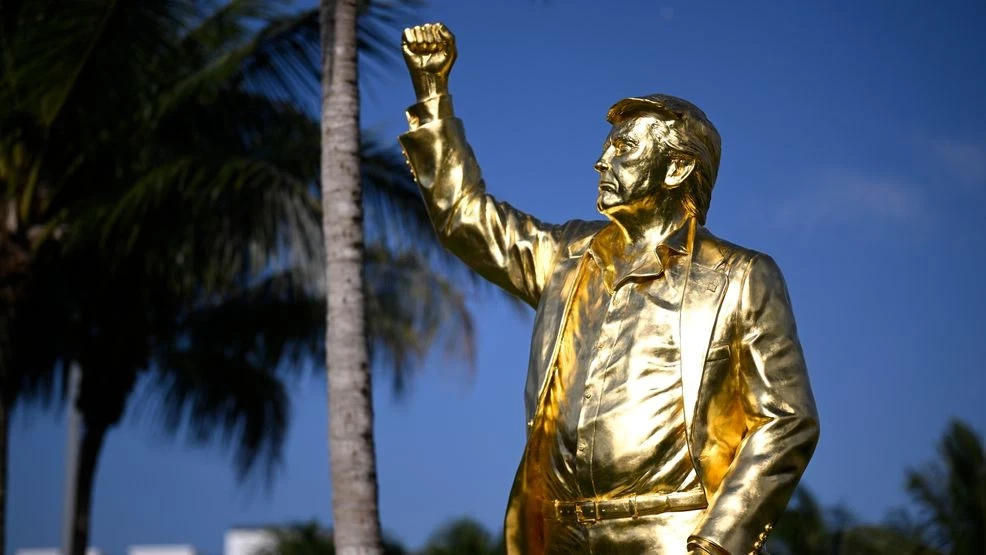
There’s something undeniably magnetic about a beautifully crafted display statue. It catches light in unexpected ways, commands attention from across a room, and often stirs a deep emotional connection to a character, story, or moment frozen in time. But what transforms a simple figurine sitting on a shelf into a truly collectible piece that enthusiasts seek out, protect, and treasure for years? The answer lies at the intersection of craftsmanship, rarity, cultural significance, and market dynamics—forces that together elevate certain statues far above ordinary decorative objects. Whether you’re a casual hobbyist eyeing your first serious acquisition or a seasoned collector looking to sharpen your evaluation skills, understanding these factors is essential. This article explores what makes a display statue genuinely collectible, walking you through the anatomy of value, practical steps for starting your own collection, where to source authentic pieces, and proven techniques for assessing what a statue is truly worth. By the end, you’ll have a clear framework for making informed decisions and building a collection that brings both personal joy and lasting value.
The Anatomy of a Collectible Display Statue
Not every display statue earns the label “collectible.” The distinction between a mass-produced shelf decoration and a piece that collectors actively pursue comes down to a convergence of deliberate artistic choices and market forces. At the foundation sits artistic merit—the quality of the sculpt, the dynamism of the pose, the accuracy of proportions, and the paintwork that brings a figure to life. A display statue that captures a character mid-action or freezes a pivotal narrative moment with emotional authenticity immediately separates itself from generic alternatives.
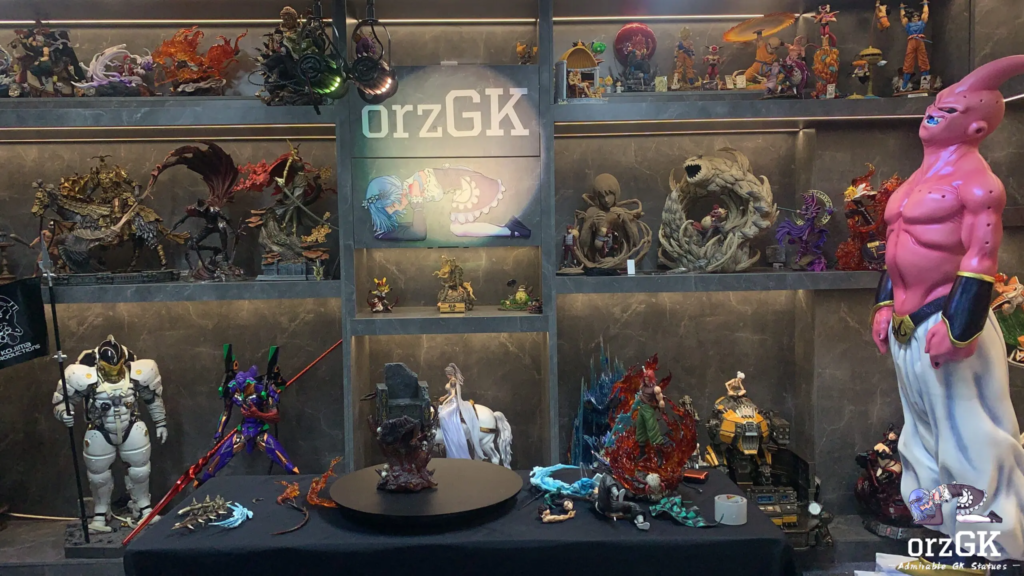
Brand and licensing play an equally critical role. Statues tied to beloved franchises—whether from blockbuster films, iconic video games, or legendary comic book runs—carry built-in demand from passionate fan communities. When a respected manufacturer secures an official license, buyers gain confidence in both accuracy and production standards. Material quality reinforces this confidence. Polystone and high-grade resin remain the gold standards for premium collectible statues because they hold fine detail, accept paint beautifully, and feel substantial in hand. These materials signal that a manufacturer invested in longevity rather than cutting corners.
Edition size is perhaps the single most powerful lever affecting collectibility. A display statue produced in a run of 500 units worldwide creates urgency and exclusivity that open editions simply cannot replicate. Limited editions, artist proofs, and convention exclusives generate scarcity by design, and scarcity fuels demand on the secondary market for years after initial release. When small edition sizes combine with strong brand recognition and exceptional sculpting, the result is a piece that appreciates rather than depreciates—a true collectible rather than mere decoration.
Key Factors That Define Value and Appeal
Beyond the broad categories of material and licensing, several nuanced factors determine whether a specific display statue commands attention and holds its worth. The sculptor’s reputation matters enormously; pieces by recognized artists with devoted followings carry a provenance that elevates perceived and actual value. Collectors learn to follow specific sculptors the way art buyers follow painters, knowing that a signature style guarantees a certain standard. Narrative connection also drives appeal—a statue depicting a character’s defining moment resonates far more deeply than a generic standing pose, because it taps into the emotional investment fans have in a story. Finally, condition is non-negotiable. Original packaging, intact accessories, absence of paint chips or repairs, and accompanying certificates of authenticity all factor into how desirable a piece remains over time. Hobbyists evaluating a potential purchase should weigh these elements together: who made it, what moment does it capture, and what condition is it in. This three-part lens quickly separates worthwhile acquisitions from impulse buys that lose their luster.
Embarking on Your Display Statue Collection Journey
Starting a display statue collection can feel overwhelming when you see seasoned collectors with hundreds of meticulously curated pieces filling dedicated display rooms. The reality is that every impressive collection began with a single deliberate choice, and the journey itself—learning, discovering, and refining your taste—is where much of the satisfaction lives. The first and most important step is defining what genuinely excites you. Are you drawn to a specific franchise, a particular art style, or perhaps a historical era of character design? Anchoring your collection around a clear theme gives it coherence and prevents the scattered accumulation of pieces that don’t speak to each other.
Once you’ve identified your focus, establish a realistic budget that accounts for both acquisitions and proper display or storage. Many new collectors underestimate the cost of UV-protective display cases, risers, and climate considerations that preserve a statue’s condition over decades. Next, immerse yourself in the community. Forums dedicated to statue collecting, social media groups, and YouTube channels run by experienced hobbyists offer invaluable education on upcoming releases, manufacturer reputations, and market trends. Treat your early months as a research phase rather than a buying spree. Understanding release cycles, pre-order windows, and payment plan options from major manufacturers will save you from both missed opportunities and financial strain. Think of building a collection as a progressive, educational experience—each piece you acquire teaches you something about quality, value, and your own evolving preferences that informs every future decision.
First Steps for Casual Collectors and Hobbyists
If you’re transitioning from casual admirer to intentional collector, begin with pieces that spark genuine passion rather than those marketed purely as investments. A statue you love looking at every day holds its personal value regardless of market fluctuations, while a piece bought solely for projected appreciation can become a source of anxiety. Start with mid-range pieces from established manufacturers to develop your eye for quality—you’ll quickly learn to distinguish sharp paint applications from sloppy ones, dynamic sculpts from static poses, and solid construction from fragile shortcuts. Document every acquisition from day one: photograph each piece upon arrival, note its condition, save receipts, and store certificates of authenticity in a dedicated folder. This habit builds provenance records that matter enormously if you ever sell or insure your collection. Connect with at least one local or online collector group where you can ask questions, share finds, and learn from others’ mistakes. Finally, resist the urge to buy everything at once. Patience is a collector’s greatest asset—waiting for the right piece at the right price consistently outperforms impulsive purchasing and builds a collection you’ll be proud of for years to come.
Navigating Source Options for Acquiring Collectibles
Where you buy a display statue matters almost as much as what you buy. The source you choose affects price, authenticity confidence, and even the condition of the piece upon arrival. Broadly, collectors acquire statues through three main channels: online platforms, physical retail locations, and direct artist purchases. Each carries distinct advantages and risks that shift depending on whether you’re hunting a current release or tracking down a sold-out grail piece from years past.
Online platforms offer the widest selection and the ability to compare prices instantly across multiple sellers worldwide. Official manufacturer websites and authorized retailers provide the safest route for new releases, typically offering pre-order guarantees and manufacturer-backed shipping protection. Secondary market platforms like eBay and collector-focused buy/sell groups open access to discontinued pieces, though they demand sharper buyer vigilance. For anime sculpture enthusiasts specifically, dedicated retailers like OrzGK offer curated selections of high-quality resin statues from various studios, providing a focused browsing experience tailored to the genre. Physical specialty shops and convention floors let you inspect pieces in person before committing—an enormous advantage when condition determines value. Convention exclusives also represent acquisition opportunities that simply don’t exist elsewhere. Purchasing directly from independent artists through platforms like Etsy or personal storefronts supports creators and sometimes yields one-of-a-kind pieces, though you trade brand recognition for artistic originality. Regardless of channel, always verify authenticity by cross-referencing edition numbers with manufacturer databases, examining packaging quality, and requesting detailed photographs of the piece itself alongside any certificates before completing a transaction.
Evaluating Online Marketplaces vs. Specialty Retailers
Online marketplaces provide unmatched breadth—thousands of listings spanning every franchise, era, and price point—but that breadth comes with inconsistency. Auction-style platforms introduce pricing volatility where emotional bidding can push costs well above fair market value, while fixed-price listings from unknown sellers carry counterfeit risks that require careful scrutiny of seller ratings, return policies, and photo evidence. Specialty retailers, whether online boutiques or brick-and-mortar shops dedicated to collectibles, offer a curated experience where inventory has already been vetted for authenticity and condition. Their pricing tends to be slightly higher than raw marketplace deals, but that premium buys peace of mind and often includes better packaging for shipping. For new collectors, specialty retailers reduce the learning curve significantly—staff expertise helps you avoid common pitfalls. As your knowledge grows, selectively incorporating marketplace purchases for harder-to-find pieces becomes a natural progression, provided you’ve developed the verification skills to protect yourself from reproductions and damaged goods misrepresented in listings.
Mastering Collectible Pricing and Value Assessment
Understanding what a display statue is actually worth—rather than what a seller claims—requires a systematic approach grounded in data rather than emotion. Collectible pricing operates differently from conventional retail because value is determined by a fluid interplay of supply, demand, condition, and cultural relevance at any given moment. A statue that sold for modest amounts at release can multiply in value if the franchise experiences a resurgence, the edition sells out permanently, or the manufacturer ceases operations entirely. Conversely, pieces hyped at launch sometimes decline when initial excitement fades and the secondary market becomes saturated with sellers.
The foundation of accurate value assessment begins with market research. Track completed sales—not active listings—across multiple platforms to establish what buyers actually pay rather than what sellers hope to receive. Completed auction data on platforms like eBay provides real transaction prices, while collector forums often document private sales that reveal true market movement. Condition grading forms the second pillar of assessment. Collectors generally recognize tiers ranging from mint-in-box with sealed packaging down through displayed-without-box to damaged or repaired, and each tier represents a significant percentage shift in value. A statue missing its original packaging might lose twenty to thirty percent of its potential sale price, while visible paint damage or repairs can cut value in half or more.
Trend analysis rounds out your framework. Pay attention to upcoming film releases, game announcements, or anniversary events tied to a franchise—these cultural moments reliably spike demand for related collectibles. Monitoring manufacturer announcements also matters, because when a company reveals a new version of a character, the previous iteration sometimes drops in demand or, paradoxically, rises if collectors perceive the older sculpt as superior. Developing this analytical habit transforms you from a passive buyer into an informed participant who recognizes fair pricing, identifies undervalued pieces, and avoids overpaying during temporary hype cycles.
Practical Tools and Techniques for Accurate Valuation
Building valuation confidence requires specific tools used in a deliberate sequence. Start with online price databases and aggregators that compile historical sales data for collectible statues—sites dedicated to this purpose allow you to search by manufacturer, character, and edition to see price trajectories over months or years. Cross-reference these findings with active collector communities on Reddit, Facebook groups, and dedicated forums where members regularly discuss fair pricing and flag overpriced listings. These communities serve as real-time market sentiment indicators that databases alone cannot capture.
For high-value pieces, consider professional certification services that authenticate and grade statues, providing a standardized condition report that both buyers and sellers trust. While certification adds cost, it removes ambiguity from transactions involving pieces worth several hundred dollars or more and can actually increase sale price by more than the service fee. When assessing a specific statue before purchase, follow this process: first, identify the exact edition and production run by checking manufacturer records or serial numbers. Second, search completed sales for that specific piece within the last three to six months to establish current market range. Third, evaluate the condition against the asking price—request detailed photographs of every angle, close-ups of paint applications, and images of the box corners and inserts. Fourth, factor in any additional costs like shipping, import duties, or platform fees that affect your total investment. Finally, compare your total projected cost against the average completed sale price. If you’re paying above average, ensure the condition justifies the premium. This disciplined approach prevents costly mistakes and builds the pattern recognition that experienced collectors rely on instinctively after years of practice.
Building a Collection That Lasts: Passion Meets Strategy
What makes a display statue truly collectible ultimately comes down to a blend of tangible qualities and intangible resonance. Artistry in sculpting and paint, premium materials, limited production runs, and strong brand connections form the objective foundation of collectibility—but personal passion is the thread that ties a meaningful collection together. The pieces that endure in value and significance are those that connect deeply with their owners while meeting the market’s criteria for quality and scarcity. For hobbyists beginning this journey, the path forward is clear: define what moves you, research thoroughly before buying, choose your sources wisely, and develop a disciplined approach to value assessment using completed sales data, condition evaluation, and trend awareness. These aren’t abstract principles—they’re practical tools you can apply to your very next acquisition. The collecting journey rewards patience, curiosity, and genuine enthusiasm in equal measure. Each statue you bring home sharpens your eye, deepens your knowledge, and adds another chapter to a personal narrative built around the characters and stories that matter most to you. That ongoing discovery is what transforms a hobby into a lifelong pursuit worth savoring.