2Q-Solution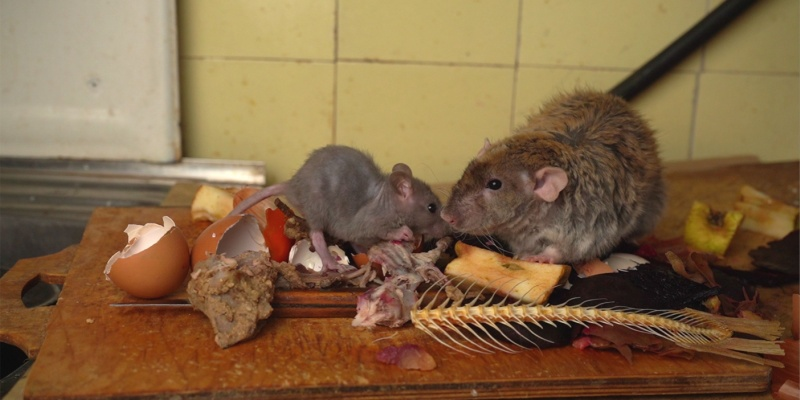
Rodent problems are a common frustration for many homeowners and businesses in Woodbridge, VA. Just when it seems like mice or rats are gone, they show up again. Scratching sounds return. Droppings reappear. New damage shows up in attics or basements. This cycle can feel endless.
Recurring rodent issues do not happen by accident. In most cases, there are clear reasons rodents keep coming back to the same neighborhoods. Local climate, housing styles, food sources, and small entry points all play a role. Understanding these causes is the first step toward long-term relief.
This article explains what causes recurring rodent problems in Woodbridge, VA neighborhoods, using simple language and practical examples to help make sense of a very common local issue.
Rodent Problems in Woodbridge, VA
Why rodents are common in Northern Virginia
Northern Virginia offers ideal conditions for rodents. The region has mild winters, warm summers, and plenty of water sources. These conditions help rodents survive year-round.
Woodbridge, VA also has a mix of wooded areas, streams, and dense neighborhoods. This creates easy shelter and food access for rats and mice.
How suburban growth affects rodent activity
As neighborhoods expand, natural rodent habitats shrink. Rodents adapt quickly. They move from fields and woods into homes, garages, and commercial buildings.
Construction activity can also disturb nests, pushing rodents into nearby houses.
Common Types of Rodents Found Locally
House mice and roof rats
House mice are small and fast. They can squeeze through openings as small as a dime. Once inside, they nest in walls, cabinets, and insulation.
Roof rats prefer higher areas like attics and upper floors. They often enter through rooflines, vents, or overhanging tree branches.
Norway rats and their nesting habits
Norway rats are larger and burrow underground. They often enter homes through basements, crawl spaces, or damaged foundations.
In Woodbridge, VA, all three species are common, which increases the chances of recurring infestations.
Seasonal Factors That Drive Rodents Indoors
Fall and winter shelter seeking
As temperatures drop, rodents look for warmth. Homes offer heat, shelter, and food. Fall is one of the busiest seasons for rodent activity.
Once rodents settle in for winter, they rarely leave on their own.
Summer food and water availability
During warmer months, rodents are drawn by outdoor food sources. Trash bins, pet food, gardens, and bird feeders attract them.
Once rodents learn a location has steady food, they return again and again.
Small Entry Points That Go Unnoticed
Cracks, gaps, and utility lines
Rodents only need tiny openings to get inside. Gaps around pipes, wires, and utility lines are common entry points.
Older homes in Woodbridge, VA often have small foundation cracks that grow over time.
Doors, vents, and garage access
Poorly sealed doors and damaged vents are easy access points. Garage doors that do not seal tightly are another major problem.
Rodents remember these entry routes and reuse them.
Older Homes and Structural Vulnerabilities
Aging construction materials
Many neighborhoods in Woodbridge, VA include older homes. Over time, materials wear down. Wood rots. Sealants fail.
Rodents take advantage of these weaknesses.
Attics, basements, and crawl spaces
Attics and crawl spaces are quiet and rarely disturbed. They offer perfect nesting spots.
If these areas are not sealed properly, rodents settle in and stay.
Food Sources That Attract Rodents
Indoor food storage habits
Unsealed pantry items, crumbs, and pet food attract rodents. Even small amounts of food can sustain mice for weeks.
Rodents have strong memories. Once they find food, they return.
Outdoor attractants around properties
Trash cans without tight lids are a major issue. Compost piles, fallen birdseed, and outdoor grills also draw rodents.
Neighborhood-wide habits can affect individual homes.
Landscaping and Yard Conditions
Dense vegetation near structures
Bushes, vines, and tall grass near foundations create cover for rodents. They hide easily and move unseen.
Overgrown landscaping acts like a bridge into homes.
Woodpiles and debris storage
Firewood stacked close to homes provides shelter. Stored debris and clutter give rodents safe nesting areas.
These features increase the risk of repeat infestations.
Poor Waste Management Practices
Trash handling and storage issues
Overflowing trash bins and infrequent pickup schedules give rodents easy access to food.
In multi-family housing areas, shared trash spaces can become rodent hotspots.
Commercial waste concerns
Restaurants, stores, and offices in Woodbridge, VA generate food waste. If not managed properly, rodents spread into nearby homes.
Rodent control problems rarely stay contained to one property.
Incomplete Rodent Control Efforts
Treating symptoms instead of causes
Removing rodents without sealing entry points leads to repeat problems. New rodents simply move in.
Long-term control requires addressing access, shelter, and food.
Lack of follow-up and monitoring
Rodent activity can restart quietly. Without monitoring, infestations grow unnoticed.
Early signs are often missed until damage becomes visible.
Health and Safety Risks That Encourage Ongoing Issues
Rodents reproduce quickly
Rodents breed fast. A small problem can turn into a large one within weeks.
This rapid growth makes partial solutions ineffective.
Disease and contamination risks
Rodents spread bacteria and parasites through droppings and urine. They also contaminate insulation and air ducts.
Unresolved infestations increase health risks over time.
Neighborhood-Level Factors
Shared walls and close housing
Townhomes and apartments are common in Woodbridge, VA. Rodents move easily between connected units.
One untreated space can affect many homes.
Nearby construction and development
Ongoing development disrupts rodent habitats. Displaced rodents search for new shelter.
Nearby projects can trigger sudden infestations.
Weather Patterns and Climate Influence
Mild winters support survival
Unlike colder regions, Virginia winters are often mild. Rodents survive outdoors longer and stay active.
This increases year-round pressure on homes.
Heavy rain and flooding
Rain pushes rodents out of burrows and into structures. Flooded areas force rodents to seek higher ground.
Homes become safe havens during storms.
Why Rodent Problems Keep Returning
Learned behavior and nesting memory
Rodents remember safe locations. If a home provided shelter once, it stays on their map.
Even after removal, others may follow the same paths.
Lack of long-term prevention strategies
Without exclusion, sanitation, and maintenance, rodent issues repeat.
Prevention must be ongoing, not one-time.
Steps That Help Reduce Recurring Rodent Issues
Sealing and exclusion
Closing all entry points is critical. This includes gaps, vents, and foundations.
Exclusion stops new rodents from entering.
Habitat modification
Reducing clutter, trimming landscaping, and managing food sources removes attraction.
Rodents leave when resources disappear.
Consistent monitoring
Checking attics, basements, and crawl spaces helps catch early signs.
Early action prevents large infestations.
Conclusion
Recurring rodent problems in Woodbridge, VA neighborhoods are not random. They are driven by a mix of local climate, housing styles, food availability, and overlooked entry points. Rodents are persistent, adaptable, and excellent at finding shelter where conditions allow.
Understanding these causes helps explain why rodents keep coming back, even after removal. Homes with small gaps, nearby food sources, aging structures, and dense landscaping are especially vulnerable. Neighborhood-wide factors like construction, shared walls, and waste management also play a role.
Lasting relief comes from addressing the full picture. When access points are sealed, food is controlled, and habitats are reduced, rodent activity drops. With the right approach, recurring rodent problems can be stopped, creating safer and more comfortable living spaces across Woodbridge, VA.