IQnewswire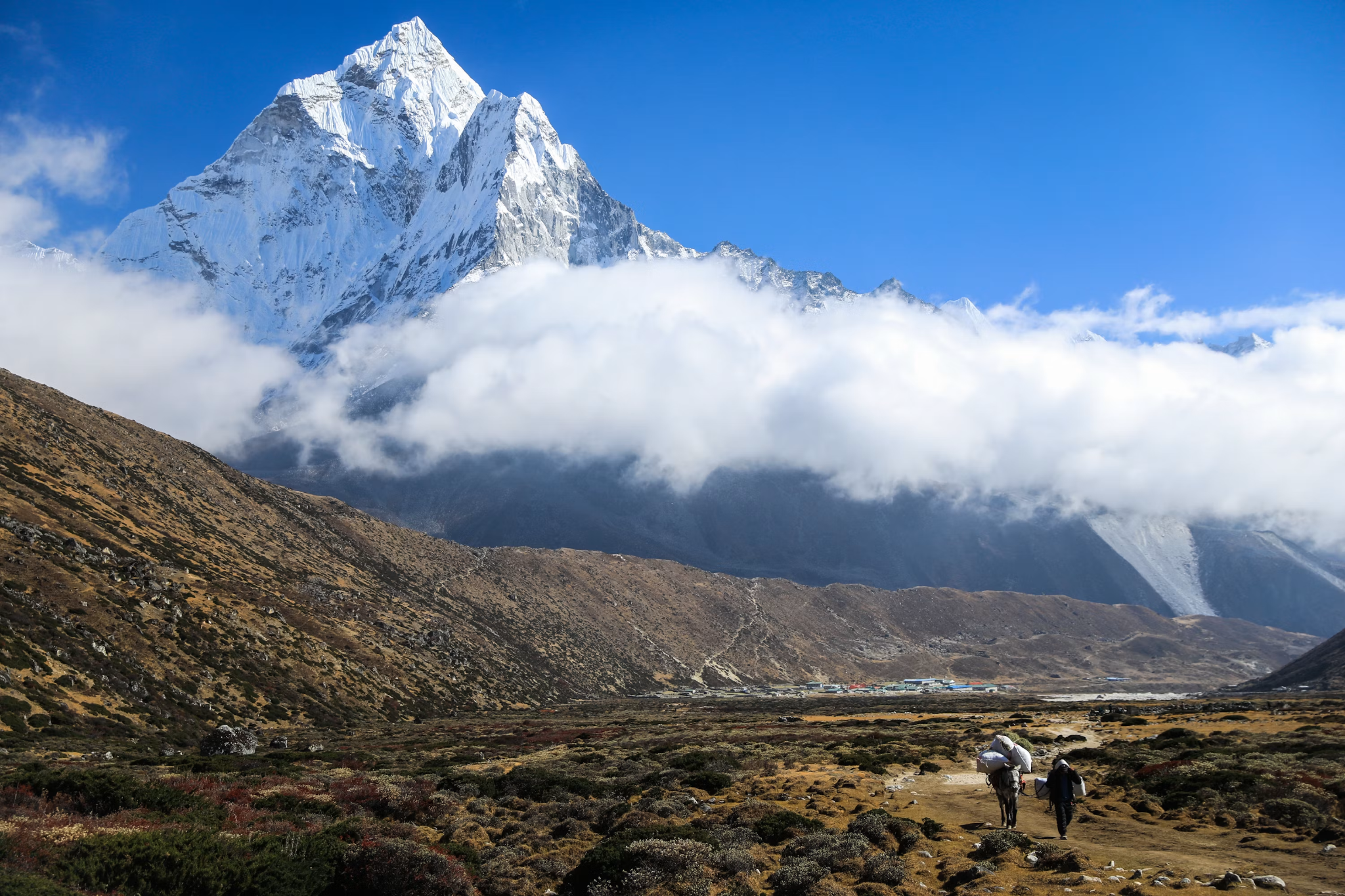
High Himalaya is not just a place you visit; it is something you walk inside. Two routes always come to mind when trekkers talk about real Nepal mountain life: the Manaslu Circuit Trek and the Everest Base Camp Trek. Both have different souls, different weather moods, and different human experiences on the trail.
One is remote, less crowded, and very raw Himalayan culture. The other one is a famous, busy trail, a strong mountaineering history, and an iconic mountain view.
This article is written from real trekking understanding, not from brochure language. Only what actually happens on the trail, tea house life, altitude struggles, and the human side of walking in mountains.
The Real Meaning of the Manaslu Circuit Trek: Silence, Raw Valleys, and Hard Mountain Passes
The Manaslu Circuit Trek goes around the Mount Manaslu region inside a restricted area of Nepal. It lies inside Manaslu Conservation Area. This trek feels like old Nepal, where roads are not fully reached, and villages still follow traditional life. That is why you can enjoy the local village life, culture, etc.
The trail starts from low warm hills and slowly goes deep into a narrow river gorge. On the first day you walk through a rice field, then a bamboo forest, and then suddenly the landscape changes to a desert mountain.
Local people are mostly of Tibetan origin. You hear different languages, see different face structures, and find prayer flags everywhere. Life feels slow, simple, and very mountain-connected.
Trek reality on the ground.
- The trail is not crowded; sometimes there is full silence
- Tea houses are basic; the food is simple dal bhat.
- Electricity and WiFi are not stable in the upper region
- Landslide sections possible in monsoon edge season
- Suspension bridges many times cross rivers again and again
The most important challenge is not only distance but also steady altitude gain. The body slowly adjusts but must walk smart, not fast.
Larke La Pass: The Real Test of Manaslu Circuit Trek
The big moment of this trek is Larke La Pass (5160 m). Early morning starts, very cold wind, and frozen water bottles sometimes.
Climbing is long and slow. No rush possible. When oxygen is low, steps become heavy. But when I reach the top, the view opens like a big white ocean of mountains.
After passing, we descended to the Bumthang Valley. Knees start shaking more than breath. That part is a real endurance test.
This trek is not a luxurious feeling. It is a raw mountain discipline.
Everest Base Camp Trek: Walk into the World’s Most Famous Mountain Route
Now a different story starts.
The Everest Base Camp Trek is inside Sagarmatha National Park, where the Himalayas feel alive with climbing history.
This is the route where Sir Edmund Hillary and Tenzing Norgay made world history. Even today, climbers from all over the world walk the same path.
The trail starts from Lukla Flight, a small airport between mountains. From there, the journey begins like entering a different world.
Trail atmosphere
- Busy trail in season, many trekkers from global countries
- Strong, developed tea house system
- Bakery, espresso, and hot showers are available in some villages
- Helicopter rescues are sometimes visible in emergencies
- Strong Sherpa culture everywhere
You feel a mix of adventure and comfort. Not wild like Manaslu, but still a very high-altitude challenge.
Everest Base Camp Path: Human Struggle and Mountain Respect
The walk goes through Namche Bazaar, Tengboche, Dingboche, Lobuche, and finally the Everest Base Camp area.
Every village has meaning. Namche Bazaar is a trading hub. Tengboche Monastery gives spiritual calm. Dingboche and Lobuche feel drier and colder at high altitudes.
From Lobuche, the final push to Everest Base Camp. Base camp is not like a hotel or village; it is a rocky glacier zone.
But the real highlight is not only Base Camp.
Most trekkers say the Kala Patthar sunrise is an emotional point. You see Mount Everest very close, with golden light on the snow face. At that moment many people become silent.
My body is tired, but my mind is fully awake.
Manaslu vs Everest: Two Different Trekking Worlds
These two treks cannot compare directly, but still people always ask the difference.
Crowd level
- Manaslu: very low crowd, peaceful trail
- Everest: high crowd, social trekking experience
Infrastructure
- Manaslu: basic tea house, limited comfort
- Everest: better tea house, more options
Difficulty
- Manaslu: harder due to remoteness and long pass
- Everest: hard due to altitude and daily climbing up and down
Culture
- Manaslu: Tibetan-influenced, untouched villages
- Everest: Sherpa culture, mountaineering heritage
Both need strong fitness, but mental preparation is different.
Real Altitude Feeling: What the Body Actually Experiences
Above 3000m, the body starts to change. Sleep becomes light. Appetite reduction. My head feels pressure sometimes.
On both treks, altitude sickness risk always exists.
The main rule is simple but very important:
- walk slow, not fast; ego walk
- drink water more than normal in life
- do acclimatization days seriously
- Never ignore a headache or nausea.
Many trekkers fail not because they trek hard, but because they rush.
Food and Tea House Life: Simple But Deep Memory
On both routes, tea houses become temporary homes.
Dal bhat is the main food everywhere. “Dal bhat power 24 hours” is not a joke; it is the truth in the mountains.
Breakfast is usually porridge, eggs, bread, and tea. Dinner is the same basic set. In the Everest region, pizza and pasta are also available in lower villages but always taste mountain-style.
In the evening, trekkers sit around the stove. Stories exchange. The weather outside is cold. That warm room feeling becomes a memory forever.
Manaslu tea houses are quieter; Everest ones are more social.
Best Time for Both Treks
Good trekking seasons are almost the same for both:
- Spring (March to May): flowers, stable weather
- Autumn (September to November): clear sky, best mountain view
Winter is possible but very cold in high passes. Monsoon season is risky for landslides, especially on the Manaslu side.
Autumn is the most balanced season for both routes.
Permits and Controlled Area Reality
The Manaslu region is restricted, so a special permit is required and a guide is mandatory. This control keeps the region protected and less crowded.
The Everest region also needs an entry permit for Sagarmatha National Park and local municipality fees.
Both treks are legally regulated for conservation and safety.
Real EAT Insight: What Experienced Guides Always Say
Local guides who walk these trails many times always repeat the same thing:
- Manaslu teaches patience; Everest teaches endurance under crowd pressure.
- Manaslu feels like an old Himalayan story; Everest feels like a global mountain stage.
- Both demand respect, not ego
Experienced porters also say the Manaslu load feels heavier mentally because there is no quick exit route. Everest feels physically heavy due to the constant up-down altitude pattern.
Final Section: Which Trek Gives More Meaning?
Truth is simple but not easy. If someone wants raw silence, old culture, and a less touristy world, the Manaslu Circuit Trek gives a deep mountain connection.
If someone wants an iconic Everest view, social trail, and world-famous route experience, the Everest Base Camp Trek gives a strong emotional achievement.
Both are not just trekking routes. They are life-shifting walks.
One changes how you see silence. Others change how you see ambition.
In the Himalaya, mountains are not just in the background. It becomes a teacher.