2Q-Solution
A company’s credibility is built through many small signals. Professional communication, accurate documentation, reliable customer service, and a clear business identity all influence how customers and partners perceive an organization.
For modern businesses, physical office space is only one part of that picture. Many startups, consultants, agencies, and digital companies operate remotely while still needing a professional business presence.
A virtual business address can help bridge that gap by providing suitable physical business infrastructure without requiring the company to maintain a conventional office.
Credibility Is About Consistency
Customers do not necessarily expect every company to operate from a large office. What they generally expect is consistency.
The company name should remain the same across invoices, contracts, websites, and other communications. Business information should be accurate. Contact channels should be reliable, and official details should not appear fragmented.
An appropriate business address can contribute to this consistency.
For a remote business, it can provide a stable physical reference point even when employees and founders work from different locations.
Moving Beyond the Home Address
Many businesses begin from a founder’s home. This is often a practical way to keep costs low during the early stages.
As the business grows, however, separating personal and professional information can become increasingly useful.
A dedicated business address allows entrepreneurs to maintain a clearer distinction between their private residence and the company’s official identity.
This can be particularly valuable for digital businesses whose customers may never physically visit their workplace.
Virtual Offices and GST Registration
Professional presence is not the only consideration. A business address can also become relevant when dealing with registrations and compliance.
GST registration requirements depend on the business’s circumstances, activities, and applicable rules. Where a virtual-office arrangement is permitted and properly documented, it may provide an address suitable for the intended registration.
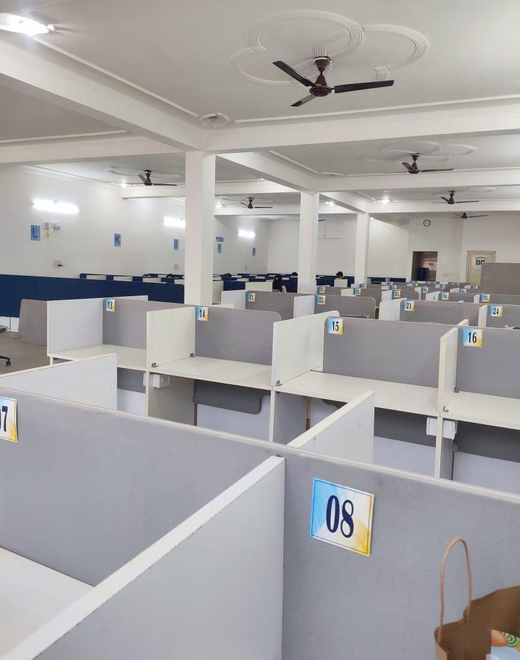
For example, a business establishing operations in Haryana could explore a virtual office in Gurgaon for GST registration and professional business presence, subject to applicable requirements.
Businesses should always verify the documentation and eligibility requirements before using an address for GST or other statutory purposes.
Professional Image Without Excessive Overheads
A conventional office can certainly contribute to a company’s image, but it can also introduce substantial fixed costs.
Rent, utilities, maintenance, furniture, equipment, and other expenses may not be necessary for a company whose employees primarily work remotely.
A virtual office can allow businesses to maintain an appropriate physical presence while keeping their operating model flexible.
This is particularly useful for startups that want to appear established without spending heavily on infrastructure before their revenue justifies it.
Supporting Client Confidence
A professional business identity can be especially important when dealing with new customers.
A potential client researching a company may look at its website, business details, communication, and documentation before deciding whether to work with it.
A consistent business address can form part of that overall presentation.
It does not guarantee trust, of course. Genuine expertise, transparent communication, quality service, and reliable delivery remain far more important.
The address simply reinforces the impression that the business has a structured and professional foundation.
Useful for Consultants and Service Businesses
Consultants, agencies, freelancers, and other professional service providers often have little need for permanent office space.
Their primary assets may be expertise, technology, and relationships rather than physical equipment.
A virtual office can therefore suit a business model where the team works remotely but still needs a professional address for appropriate business purposes.
Instead of paying for unused desks, entrepreneurs can invest more in areas that directly support growth.
Supporting Business Growth
A company may start with one founder and gradually develop into a team operating across several cities.
As that happens, using individual employee locations as the company’s informal physical identity can become complicated.
A stable business address provides continuity.
It can remain associated with the business even when team members change or the founder relocates.
This makes the company’s infrastructure less dependent on individual circumstances.
Credibility Should Be Supported by Real Operations
A virtual office should never be viewed as a shortcut to creating artificial credibility.
The underlying business must be genuine, and all registrations and documentation must accurately represent the company’s circumstances.
Businesses should also maintain proper records, meet their tax obligations, respond to official communication, and keep their information updated.
A professional address works best when it is part of this larger system.
When a Physical Office Becomes Necessary
There are situations where a traditional workplace remains the better option.
Businesses with large teams, physical inventory, equipment, frequent customer visits, or location-dependent operations may need dedicated premises.
Even remote-first companies may eventually decide that an office is useful for collaboration or client meetings.
A virtual office does not prevent that transition. It simply allows a business to delay a major property commitment until there is a genuine operational reason for it.
Building a Professional Business Identity
Modern entrepreneurship has made it possible to build serious businesses without following the traditional office-first model.
A company can be remote, flexible, and digitally operated while still maintaining a structured physical identity.
A virtual office can contribute to that structure by providing a suitable business address, supporting certain administrative requirements, and helping entrepreneurs keep personal and professional identities separate.
The strongest business presence ultimately comes from consistency. A professional address, accurate documentation, reliable communication, and genuine operations together create the credibility that modern customers and partners value.
Read More at Gorod