IQnewswire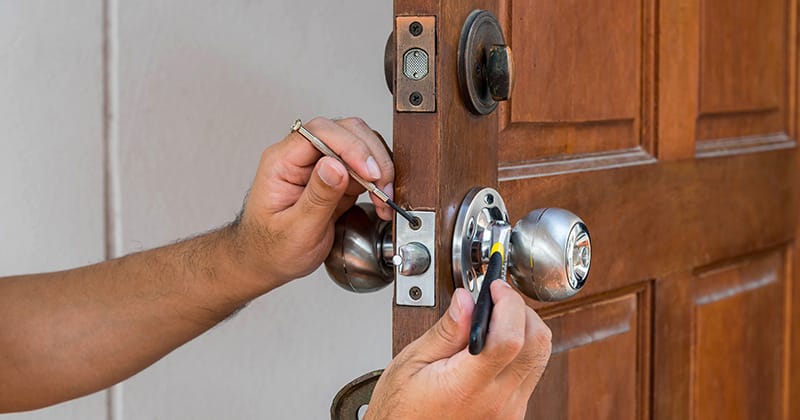
Over the past ten years, the work of locksmiths has changed more than many people realize. What was once seen as a purely mechanical trade has evolved into a profession that combines traditional craftsmanship, modern security knowledge, customer education, and crisis management. To understand how these changes look in practice, we spoke with Fatih Altun, founder and operator of Tuerhelden Schlüsseldienst.
In this in-depth interview, he shares insights from the field, explains which cases occur far more often today than a decade ago, and describes how homeowners and tenants can better protect themselves. He also talks openly about the realities of working as a locksmith today and why trust and education have become just as important as technical skill.
“The job today has much more to do with prevention than repair”
Interviewer: Fatih, you have been working as a locksmith for many years. If you compare today with ten years ago, what has changed the most?
Fatih Altun:
The biggest change is definitely the type of cases we deal with. Ten years ago, the majority of calls were classic lockouts or broken keys. That still exists, of course, but today we see far more cases related to outdated security systems, attempted break-ins, and customer uncertainty. People are more aware of security, but at the same time many homes still rely on very old locks.
Another major difference is that customers now expect explanation. In the past, people often just wanted the door opened. Today they ask why something happened, whether it could happen again, and how they can prevent it. The job has become much more consultative.
The most common cases today compared to ten years ago
Interviewer: Which types of cases occur more frequently today than they did ten years ago?
Fatih Altun:
One clear increase is in cases involving worn or technically outdated lock cylinders. Many locks installed 15 or 20 years ago were fine for their time, but they are no longer suitable for today’s burglary methods. We often see doors that are not forced open violently, but manipulated quietly.
Another growing issue is damage caused by incorrect self-help. People find advice online and try to fix problems themselves. Unfortunately, this often leads to broken keys, damaged cylinders, or doors that can only be opened with force afterward. Ten years ago, fewer people attempted DIY solutions.
We also see more cases involving apartment buildings, where shared entrance doors or older locking systems affect multiple residents at once. These situations require coordination and careful handling, not just technical work.
Why modern burglaries look different today
Interviewer: Has the way burglaries happen changed over the years?
Fatih Altun:
Yes, very much. Today’s burglaries are often faster, quieter, and more targeted. Instead of breaking doors or windows, intruders look for weaknesses in locking systems, unsecured secondary entrances, or windows that appear modern but lack proper reinforcement.
This is why many people are surprised after a break-in. They expect visible damage, but instead the door looks almost untouched. Ten years ago, brute force was more common. Today, technical manipulation plays a much larger role.
“Most people don’t realize how old their locks really are”
Interviewer: You mentioned outdated locks. Why is this such a common problem?
Fatih Altun:
Because locks are invisible when they work. People renovate kitchens, bathrooms, or floors, but door locks often stay untouched for decades. Many homeowners honestly don’t know how old their lock cylinders are.
A lock older than ten years is often missing essential protection features. This doesn’t mean it will fail immediately, but it does mean the risk increases significantly. We often recommend inspections, not replacements by default. Sometimes a small upgrade makes a big difference.
How people can better protect themselves today
Interviewer: Based on your experience, what are the most effective ways people can protect their homes today?
Fatih Altun:
The first step is awareness. Understanding that security is not static is crucial. Locks, doors, and windows age just like any other component of a building.
Second, consistency matters. It’s not enough to have a strong front door if the terrace door or basement entrance is weak. Burglars look for the easiest access point, not the most obvious one.
Third, professional advice is important. A good locksmith doesn’t sell fear, but explains risks realistically. Prevention is usually much cheaper and less stressful than dealing with damage afterward.
The emotional side of locksmith work
Interviewer: Many people see locksmith work as purely technical. How much of the job is actually emotional?
Fatih Altun:
A lot more than people think. Many calls happen late at night, in winter, or during holidays. Customers are tired, cold, stressed, sometimes even scared. Our job is not just to open a door, but to calm the situation.
How you speak to someone, how you explain what you are doing, and how transparent you are about costs makes a huge difference. People remember that long after the lock is fixed.
“Trust has become the most important currency in this industry”
Interviewer: The locksmith industry has a mixed reputation in some places. How do you deal with that?
Fatih Altun:
By being transparent and educational. We explain prices, procedures, and alternatives before we start working. If drilling is not necessary, we don’t do it. If a lock doesn’t need replacing, we say so.
Ten years ago, fewer customers asked questions. Today, trust is everything. People research, compare, and talk to each other. That’s a good thing. It pushes serious locksmiths to maintain high standards.
How the job itself has changed over the years
Interviewer: How has being a locksmith changed for you personally?
Fatih Altun:
The technical side has become more complex. There are more lock types, electronic systems, and security standards to keep up with. Continuous learning is essential.
At the same time, the job has become more communicative. You are not just a craftsman, but also an advisor. You need to explain risks in a way that doesn’t create panic. That balance is something you learn over time.
Electronic locks and smart systems – opportunity or risk?
Interviewer: What role do electronic and smart locking systems play today?
Fatih Altun:
They can be very useful if implemented correctly. They offer flexibility and convenience. But they should never replace mechanical security completely. A good system combines both.
We often see problems when technology is installed without professional planning. Security should always be holistic. Technology alone is not a solution.
Advice for homeowners and tenants looking ahead
Interviewer: If you could give one piece of advice to people today, what would it be?
Fatih Altun:
Don’t wait for something to happen. Security is most effective when it’s planned calmly, not under pressure. A short inspection or consultation can prevent major problems later.
Also, don’t underestimate small warning signs. A stiff lock or a noisy cylinder is often a message, not an accident.
Looking to the future of locksmith work
Interviewer: How do you see the future of the locksmith profession?
Fatih Altun:
It will continue to move toward prevention, education, and integrated security solutions. The classic image of “just opening doors” no longer reflects reality.
Customers want partners they can trust, not anonymous emergency services. That’s where the profession is heading, and that’s a good development.
Conclusion – A profession shaped by trust, change, and responsibility
The insights shared by Fatih Altun offer a clear picture of how locksmith work has evolved over the last decade. From changing burglary methods to increased customer awareness and technological complexity, the profession has adapted to new challenges.
What remains constant is the core responsibility: protecting access and providing security in moments when people feel vulnerable. As Tuerhelden Schlüsseldienst demonstrates, modern locksmith work is not just about tools and locks, but about education, prevention, and trust.
In a world where security risks evolve continuously, experienced locksmiths play an essential role—not only when something goes wrong, but long before that moment arrives.