IQnewswire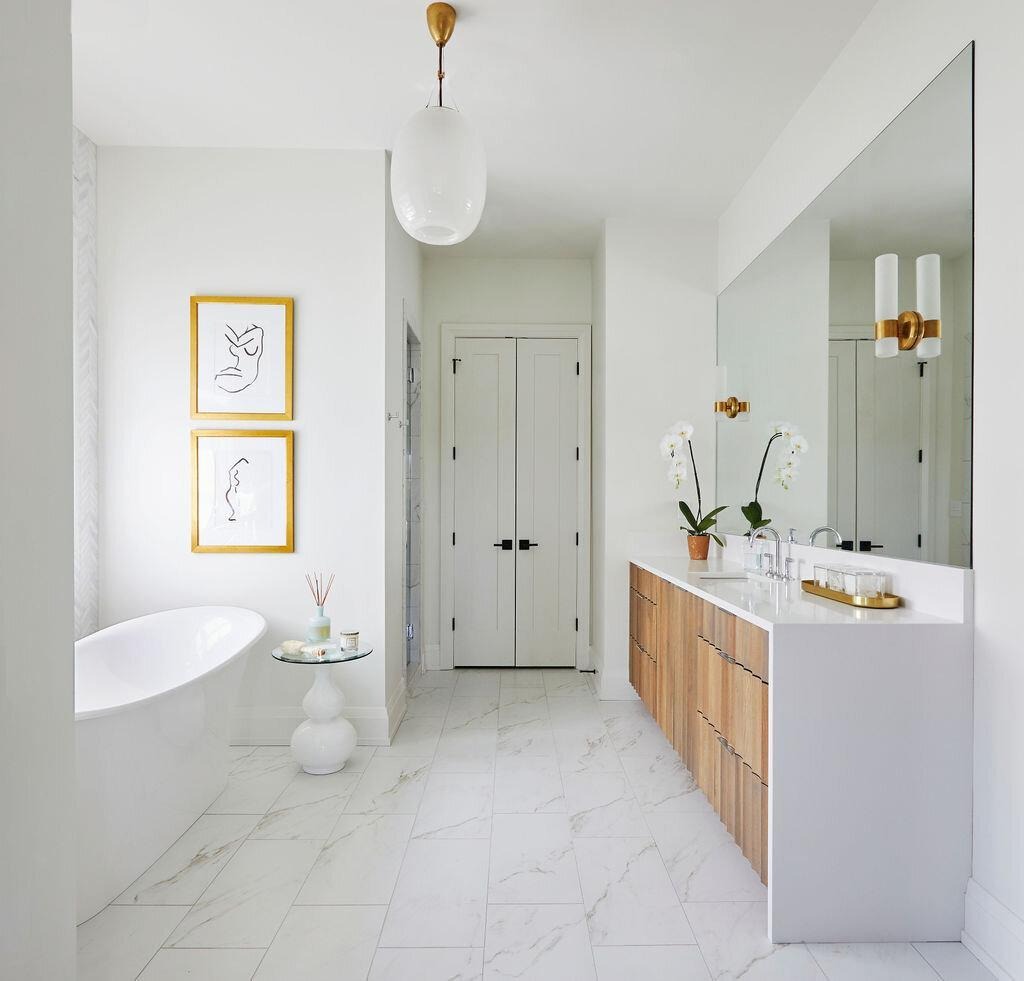
When homeowners think about renovating a bathroom, they often focus on finishes—new tile, updated fixtures, or a modern vanity. While those upgrades improve appearance, they don’t always solve the core problem: the bathroom simply feels too small. In many cases, the most impactful improvement isn’t what you install, but how the space is laid out.
Moving a wall during a bathroom renovation can dramatically improve comfort, functionality, and long-term value. When done thoughtfully, even a small shift in square footage can completely change how the bathroom feels and how it works day to day.
Why Many Bathrooms Feel Smaller Than They Need to Be
Older homes were often designed with strict separation between rooms and minimal bathroom footprints. Narrow layouts, awkward door swings, and undersized fixture spacing were common, especially in homes built decades ago. As lifestyles have changed, these layouts no longer match how people use their bathrooms.
In many homes, adjacent spaces such as hallways, closets, or oversized bedrooms can give up a small amount of space without affecting overall functionality. Reclaiming even a few square feet can make room for better circulation, improved storage, or a more comfortable shower or vanity area.
What Moving a Wall Can Accomplish
Shifting a wall allows you to rethink the bathroom as a whole rather than working around existing limitations. A larger footprint opens up possibilities that simply aren’t feasible in tight layouts.
With more space, homeowners can:
- Improve fixture spacing so the room feels less cramped
- Replace a tub with a larger walk-in shower
- Add double sinks or more counter space
- Improve storage without clutter
- Create better traffic flow and accessibility
The result is a bathroom that feels intentional rather than constrained.
Layout Improvements That Change Daily Use
One of the biggest benefits of moving a wall is improved flow. Bathrooms are functional spaces, and poor layouts create daily frustration. Tight clearances, awkward entry points, and overlapping door swings all make a space harder to use.
Expanding the bathroom allows for better placement of doors, fixtures, and storage. A door can be repositioned to open more naturally, or a vanity can be moved to allow more open floor space. These changes reduce congestion and make shared bathrooms far more practical.
For households with multiple users, these improvements are especially noticeable.
Structural and Practical Considerations
Moving a wall isn’t just a design decision—it’s a construction one. Before expanding a bathroom, it’s important to understand whether the wall is load-bearing, what utilities run through it, and how the change will affect adjacent rooms.
Plumbing, electrical, and ventilation may need to be adjusted to accommodate the new layout. This is where professional planning matters. A properly executed wall move ensures the bathroom remains code-compliant, structurally sound, and efficient.
While moving a wall adds complexity to a renovation, the payoff in functionality often justifies the effort.
Gaining Storage Without Sacrificing Space Elsewhere
One common reason for expanding a bathroom is storage. Small bathrooms often rely on surface clutter because there’s nowhere else to put essentials. By borrowing space from an adjacent area, homeowners can incorporate linen storage, recessed shelving, or larger vanities without overwhelming the room.
Better storage doesn’t just improve appearance—it makes the bathroom easier to maintain and more pleasant to use.
Improving Comfort and Accessibility
A larger bathroom is easier to move through, which matters not only for comfort but also for long-term usability. Wider clearances, step-free showers, and improved layouts support aging in place and reduce safety risks.
Moving a wall allows homeowners to future-proof their bathroom without sacrificing style. These changes often go unnoticed visually, but they significantly improve how the space performs over time.
The Impact on Home Value
From a resale perspective, bathroom size and layout matter. Buyers consistently respond more positively to bathrooms that feel spacious, functional, and well-planned. A bathroom that has been expanded through smart layout changes often feels like a premium feature, even if the overall square footage increase is modest.
Investing in layout improvements signals quality and thoughtfulness, which can enhance buyer confidence and perceived value.
Is Moving a Wall Worth It?
While not every bathroom needs expansion, moving a wall is often worth considering when the existing layout limits functionality. Cosmetic upgrades can refresh a space, but layout changes solve fundamental issues that finishes alone can’t address.
For homeowners planning to stay in their home long-term, the daily benefits are immediate. For those considering resale, the improvement in usability and appeal can pay dividends.
A bathroom renovation is an opportunity to rethink how the space works—not just how it looks. Moving a wall to expand a bathroom can transform a cramped, inefficient room into a comfortable, functional space that supports everyday routines.
When done with proper planning and professional execution, this type of renovation delivers lasting value, improved comfort, and a bathroom that finally feels like it fits the home.