BlitZ
BlitZ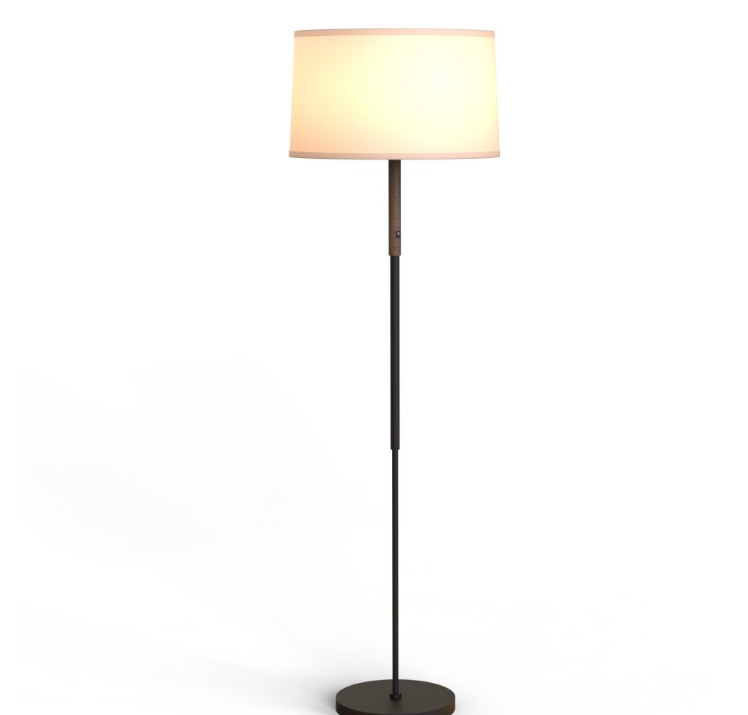
Introduction
Lighting plays a defining role in shaping how guests perceive and experience hospitality environments. In hotels, resorts, lounges, and other contract spaces, lighting is no longer treated as a secondary design element but as a central component of guest experience strategy. From the moment a visitor enters a lobby to the time they rest in a guestroom, lighting influences mood, comfort, orientation, and even brand perception. Subtle variations in brightness, color temperature, and fixture design can completely change how a space feels and functions.
Modern hospitality design increasingly prioritizes customized lighting solutions over standard fixtures, as hotels aim to create distinctive environments that reflect their identity. Thoughtfully designed lighting helps establish emotional connections with guests, improves spatial usability, and enhances overall satisfaction. This has led to a growing demand for specialized lighting solutions tailored to the operational and aesthetic needs of hospitality spaces.
Within this evolving landscape, manufacturers specializing in contract lighting play a key role in translating design concepts into durable, functional, and visually compelling solutions that elevate guest experiences across every touchpoint of a property.
Why Lighting Is One of the First Things Guests Notice
Lighting is one of the earliest sensory cues guests encounter when entering a hospitality space, and it immediately sets expectations for the entire stay. The human eye instinctively reacts to brightness levels, shadows, and warmth, which means lighting influences perception before any verbal or visual branding elements are consciously processed.
In hotel lobbies and reception areas, lighting establishes the first impression of quality and atmosphere. A well-lit space feels welcoming, organized, and safe, while poorly designed lighting can make even premium interiors appear uninviting. Warm lighting often conveys comfort and relaxation, whereas cooler tones are associated with modernity and efficiency.
Beyond aesthetics, lighting contributes significantly to guest psychology. Balanced illumination reduces stress after travel, helps with spatial orientation, and encourages guests to feel at ease. This emotional response directly influences reviews, return bookings, and overall brand reputation. In competitive hospitality markets, lighting becomes a subtle but powerful differentiator that shapes guest expectations from the very beginning.
Creating a Cohesive Brand Identity Through Lighting Design
Lighting design is a critical tool for reinforcing brand identity in hospitality environments. Hotels often operate across multiple spaces, including guest rooms, corridors, restaurants, and lounges, and lighting consistency across these areas helps create a unified visual language.
Designers carefully select fixture styles, finishes, and light temperatures that align with the overall architectural theme. For example, a luxury boutique hotel may use warm ambient lighting with decorative fixtures, while a contemporary business hotel may prefer clean, minimalist lighting systems with neutral tones.
Custom lighting solutions allow brands to extend their identity beyond décor into functional design elements. Repeated visual cues, such as matching fixture materials or signature lighting shapes, help guests recognize and remember the property. This consistency strengthens emotional connection and contributes to stronger brand recall, particularly for hotel groups with multiple locations.
Lighting also helps guide movement and behavior within a property. By controlling brightness levels and focal points, designers can subtly influence how guests navigate and interact with spaces, reinforcing both aesthetic and operational goals.
Guest Room Lighting That Balances Comfort and Functionality
Guest rooms require a careful balance between comfort, usability, and aesthetic appeal. Lighting must support multiple activities, including relaxation, reading, work, and sleep, while maintaining a cohesive atmosphere.
A layered lighting approach is essential, combining ambient lighting for general illumination, task lighting for focused activities, and accent lighting to highlight design features. Bedside lamps, reading lights, and desk fixtures must be positioned to reduce glare while ensuring adequate visibility for guests with different preferences.
In this context, custom solutions provided by a hospitality lighting manufacturer such as Mario Industries, a long established American lighting manufacturer founded in 1922 and headquartered in Roanoke, Virginia, play an important role. Operating under mariocontractlighting.com as a trusted name in contract lighting, the company supports hospitality and contract environments across the United States. Its expertise allows designers to integrate tailored solutions that align with both functional requirements and design intent, including projects where the goal is to enhance guest comfort through refined lighting environments.
Proper guest room lighting also influences sleep quality. Adjustable lighting systems allow guests to transition smoothly from active to restful states, supporting circadian rhythm considerations. Flexibility is key, as different travelers have varying preferences for brightness and ambiance.
The Role of Lighting in Hotel Lobbies and Public Spaces
Hotel lobbies and public areas serve as social and functional hubs, making lighting design particularly important in these spaces. These environments must balance visual impact with durability due to constant foot traffic and diverse usage patterns.
- Statement lighting fixtures help define the visual identity of a lobby by creating focal points that draw attention. These installations often act as signature elements that guests associate with the property, reinforcing brand recognition through design consistency and artistic expression.
- Lighting flow must be carefully planned to guide guests through large or complex spaces. Proper illumination ensures that pathways, seating areas, and service points are easily identifiable, improving navigation while maintaining a cohesive aesthetic experience.
- Durability is a major consideration in public areas. Fixtures must withstand continuous use, cleaning, and occasional physical impact. High-quality materials and robust construction ensure long-term performance without frequent maintenance disruptions.
- Public space lighting also supports social interaction by creating comfortable visual environments. Well-balanced lighting encourages guests to gather, relax, and engage, making the lobby not just a transition space but an active part of the hospitality experience.
Restaurant and Lounge Lighting That Enhances Atmosphere
Lighting in restaurants and lounges directly influences guest behavior, dining experience, and perceived comfort. It shapes how food appears, how conversations flow, and how long guests choose to stay.
Warm lighting is commonly used in dining environments to create a relaxed and inviting mood. In contrast, accent lighting is used strategically to highlight architectural features, artwork, or bar areas, adding depth and visual interest. Fixture placement is equally important, as it determines how evenly light is distributed across tables and seating zones.
Dimmable lighting systems are especially valuable in these spaces, allowing operators to adjust ambiance throughout the day. Bright lighting may be used during breakfast or business hours, while softer lighting enhances evening dining and lounge experiences. This flexibility ensures that a single space can support multiple functions without compromising atmosphere or comfort.
Durability Matters in High-Traffic Hospitality Environments
In hospitality settings, lighting fixtures are exposed to continuous use, making durability a critical performance factor. Contract-grade lighting is specifically engineered to withstand demanding environments where standard residential fixtures would quickly degrade.
- Material selection plays a key role in ensuring longevity. Metals, reinforced glass, and high-quality finishes are commonly used to resist wear, corrosion, and frequent cleaning. These materials help maintain visual consistency over time, even in high-traffic areas.
- Maintenance efficiency is essential for hotel operations. Fixtures designed for easy access and replacement reduce downtime and operational disruption. This ensures that lighting issues do not negatively impact guest experience or facility functionality.
- Environmental stress, including temperature fluctuations and continuous operation, can affect lighting performance. Contract-grade fixtures are built to maintain consistent output and structural integrity under these conditions, supporting reliable long-term use.
- Durability also contributes to brand consistency across multiple properties. Hotels with standardized lighting systems can maintain a uniform guest experience, regardless of location, reinforcing brand identity across regional or global portfolios.
Conclusion
Lighting is a foundational element in hospitality design, influencing how guests perceive, navigate, and emotionally connect with a space. From first impressions in lobbies to personalized comfort in guest rooms, every lighting decision contributes to the overall experience.
The increasing demand for customized lighting reflects a broader shift in hospitality toward experience-driven design. Hotels now recognize that lighting is not only functional but also deeply tied to brand identity, guest satisfaction, and operational efficiency.
By combining thoughtful design, durable materials, and adaptable systems, lighting solutions elevate hospitality environments into memorable and functional spaces. Strategic lighting ensures that hotels remain competitive while delivering consistent, high-quality guest experiences across every touchpoint.