2Q-Solution
Running your hands across the textured surface of a freshly tufted rug connects you to centuries of textile tradition. The rhythmic punch of the tufting gun, the careful selection of yarn colors, the gradual emergence of pattern from blank cloth—this is a craft that demands both physical skill and artistic vision. Yet today, something remarkable is happening in studios and maker spaces worldwide. This traditional art form, once practiced in solitude, is being revolutionized through creative collaboration and cutting-edge technology. How are modern artisans merging digital design tools, advanced machinery, and collective creativity to create groundbreaking handcrafted creations that push beyond what any individual could achieve alone? This article explores this new artistic frontier, examining the innovative tools reshaping the craft and the collaborative frameworks that are transforming isolated makers into dynamic creative teams. For experienced creators seeking to expand their practice, this convergence of technology and partnership represents an unprecedented opportunity to redefine what’s possible in textile art.
The Evolution of Tufting: From Solitary Craft to Collaborative Art
For most of its history, rug tufting existed as a solitary endeavor. Artisans worked alone in workshops, their creative decisions made in isolation, their techniques refined through individual trial and error. The craft demanded long hours of focused, repetitive motion—one person, one gun, one vision translated slowly into textile form. This independence defined the tradition, creating a culture where makers guarded their methods and worked within the limits of their singular perspective. Today, that paradigm is shifting dramatically. Across shared maker spaces in Brooklyn, London, and Tokyo, artisans are gathering around communal tufting frames, pooling their distinct skills to create works no individual could produce alone. This transformation stems from several converging forces: digital platforms that connect geographically dispersed makers, the proliferation of collaborative studios offering shared equipment and workspace, and a generational shift toward valuing collective creativity over isolated mastery. Young tufters document their processes online, inviting critique and collaboration rather than concealing trade secrets. Established artisans discover that partnering with digital designers or color theorists elevates their work beyond familiar patterns. This evolution represents more than a trend—it signals a fundamental reimagining of tufting rug as an inherently social art form, where creative collaboration unlocks complexity, scale, and innovation previously unattainable in the solitary studio.
Merging Technology and Art in Modern Tufting
Digital Design and Projection Mapping
The marriage of digital design software and traditional tufting has fundamentally altered what’s achievable in textile art. Artisans now sketch intricate patterns in Procreate on tablets, refining color gradients and geometric precision impossible with pencil on cloth. Adobe Illustrator allows vector-based designs that scale seamlessly from small samples to room-sized installations without losing detail. The real breakthrough arrives with projection mapping—beaming these digital designs directly onto stretched tufting cloth. This technology transforms the blank canvas into a guided workspace where every curve, color boundary, and shading transition appears exactly where the tuft should land. Collaborating designers can iterate digitally in real time, adjusting a pattern’s complexity while the tufter provides immediate feedback about technical feasibility. This symbiosis between screen and fabric eliminates the guesswork of manual transfer methods, enabling photorealistic portraits, intricate mandalas, and complex abstract compositions that would take days to sketch by hand, if such accuracy were even possible.
Advanced Tufting Tools and Machinery
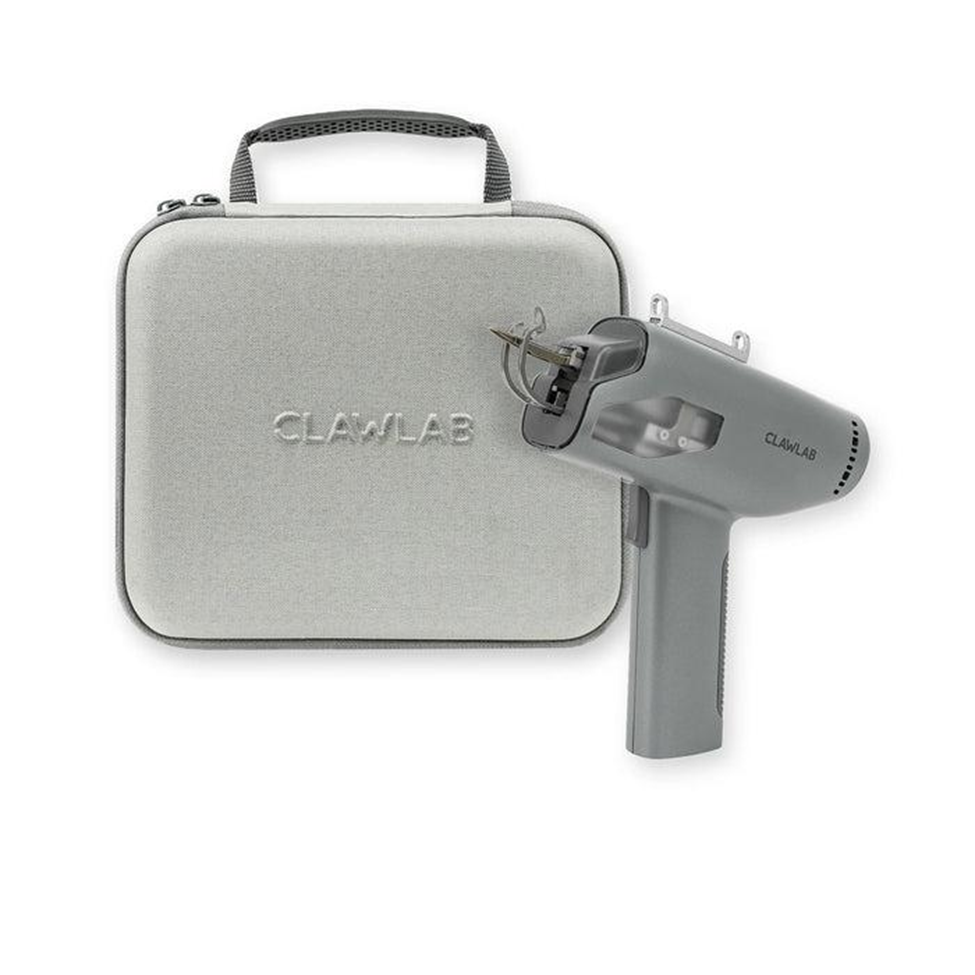
Modern tufting guns bear little resemblance to their industrial predecessors. Today’s pneumatic models offer variable pile heights adjusted mid-project with a simple dial twist, allowing artisans to create dimensional landscapes within a single piece. Electric cut-pile guns deliver consistent speed and reduced hand fatigue during marathon sessions, while loop-pile variants produce the dense, sculptural textures favored in contemporary wall art. Brands like Clawlab have introduced ergonomic designs that accommodate extended collaborative sessions where multiple team members share equipment throughout the day. The most significant innovation comes with CNC-assisted tufting frames—programmable systems that guide the gun along predetermined paths for repetitive elements or massive-scale works. A collaborative team might assign one member to operate the CNC for background fills while another hand-tufts detailed foreground elements, merging mechanical efficiency with artisanal nuance. Adjustable tension settings on modern frames accommodate everything from delicate silk to chunky wool roving, expanding textural possibilities. These tools don’t replace skill; they amplify it, enabling creators to execute ambitious visions that would exhaust or exceed the capabilities of traditional equipment.
Material Science and Sustainable Yarns
The yarn itself has become a frontier for innovation, offering textures and ethical credentials that reshape artistic possibilities. Recycled polyester yarns derived from ocean plastics now rival virgin materials in color vibrancy and durability, allowing environmentally conscious artisans to create guilt-free without compromising their palette. Bio-based fibers like bamboo and Tencel introduce a silky drape and subtle sheen distinct from traditional wool, perfect for pieces intended as tactile wall sculptures rather than floor coverings. Collaborative teams increasingly include material specialists who source experimental blends—wool-silk hybrids for luminous highlights, hemp-cotton twists for rustic texture, even conductive yarns that integrate LED elements into tufted installations. These advanced materials respond differently to tufting guns, requiring adjusted techniques that benefit from collective problem-solving. When one collaborator discovers that a new recycled yarn tufts cleaner at lower speeds, that knowledge elevates the entire team’s output, demonstrating how material innovation and creative partnership reinforce each other in pushing the craft’s boundaries.
Frameworks for Successful Creative Collaboration
Step 1: Defining the Collaborative Vision and Roles
Successful collaboration begins with explicit alignment before any yarn touches cloth. Schedule an initial meeting where all participants articulate their artistic goals—does the project prioritize conceptual experimentation, commercial viability, or technical innovation? Document these objectives in a shared brief that becomes the reference point when creative disagreements arise. Next, conduct an honest skills inventory. One collaborator might excel at photorealistic shading techniques, another at geometric precision, while a third brings expertise in color theory or digital rendering. Assign roles that leverage these strengths rather than forcing equal participation in every task. Establish communication protocols immediately: which platform hosts design files, how often does the team convene for progress reviews, and who holds final decision-making authority on contested choices? These foundational conversations prevent the frustration of misaligned expectations mid-project and create the trust necessary for genuine creative risk-taking.
Step 2: Integrating Digital and Physical Workflows
Bridging screen and studio requires deliberate technical infrastructure. Begin with cloud-based design platforms like Figma or Google Drive where all collaborators access the latest pattern iterations simultaneously, eliminating version confusion. The digital designer exports files in formats compatible with projection systems—typically high-resolution PNGs with clearly marked color zones. Before the first tuft, conduct a physical test: project the design onto stretched cloth at actual scale, checking for distortion or detail loss. Establish a production schedule that sequences tasks logically—digital refinement completes before material ordering, projection mapping happens after frame setup. For teams working asynchronously or across locations, create a visual progress tracker with timestamped photos showing completed sections, allowing remote collaborators to adjust upcoming digital elements based on how materials actually behave. This systematic integration prevents the common pitfall of beautiful digital designs that prove technically impossible to execute.
Step 3: Execution and Iterative Feedback
The tufting phase demands structured flexibility. Divide the canvas into zones assigned to specific collaborators, but schedule overlapping work sessions where team members observe each other’s techniques and maintain stylistic consistency. Institute brief check-ins every two hours—step back from the frame together, photograph the progress, and compare it against the digital reference. This rhythm catches divergences early, when corrections require removing a small section rather than days of work. Yarn behaves unpredictably; that digitally perfect gradient might require tighter spacing or a different pile height than planned. Empower the person holding the gun to propose technical adjustments, then have the digital designer mock up the change on-screen before committing. Document these adaptations in shared notes so the team builds collective knowledge about material properties. This iterative dialogue between vision and execution transforms potential compromises into creative breakthroughs neither designer nor tufter would discover working alone.
Step 4: Finishing, Documentation, and Shared Credit
Completing a collaborative piece requires the same intentionality as its creation. Gather the team for finishing work—one person shearing pile to uniform height while another inspects for missed spots creates better results than solitary finishing. Apply backing together, discussing whether to leave the reverse side visible as documentation of collaborative hands. Before disassembling your workspace, conduct a thorough photo session capturing wide shots, detail close-ups, and behind-the-scenes images of collaborators at work. These become essential portfolio material and social media content. Establish attribution standards upfront: will you credit all contributors equally, note specific role contributions, or create a collective studio name? Draft a brief agreement addressing how proceeds from sales or commissions divide, and whether collaborators can feature the work individually in their portfolios. This clarity preserves relationships and ensures everyone receives appropriate recognition for their creative investment.
The Impact and Future of Collaborative Handcrafted Creations
The convergence of collaborative practice and technological tools is producing tangible outcomes that reshape tufting’s cultural and commercial landscape. Large-scale installations that once required industrial manufacturing now emerge from small teams working with CNC-assisted frames and coordinated color planning—think fifteen-foot murals for hotel lobbies or immersive textile environments for gallery exhibitions. These projects attract commissions beyond the reach of solo practitioners, opening revenue streams that sustain full-time artistic careers. In bespoke interior design, collaborative studios offer clients something mass production cannot: truly custom pieces where a digital designer translates the client’s vision, a color specialist sources perfect yarn matches, and master tufters execute with precision. Brand collaborations increasingly seek these teams for limited-edition drops that carry authentic craft narratives while meeting production deadlines through distributed labor. Looking forward, the frontier expands further. Virtual reality design sessions already allow geographically distant collaborators to manipulate 3D textile models in shared digital space before committing yarn to cloth. AI-assisted pattern generation tools can propose color combinations or geometric variations a human team then refines, blending algorithmic possibility with artistic judgment. As these technologies mature and collaborative networks deepen, tufting stands poised to claim space alongside painting and sculpture as a recognized fine art medium—one where the fusion of multiple creative minds and cutting-edge tools produces work that honors craft tradition while boldly reimagining its future.
Embracing the Collaborative Future of Textile Art
Tufting has transcended its solitary roots to become a vibrant platform for creative collaboration, where technology and artistry converge to unlock unprecedented possibilities. Throughout this exploration, we’ve seen how digital design tools, advanced machinery, and sustainable materials provide the innovative infrastructure modern artisans need, while structured collaborative frameworks transform individual visions into collective masterpieces. The synergy between projection mapping and skilled hands, between algorithmic pattern generation and human refinement, between distributed roles and unified execution—this represents more than incremental improvement. It signals a fundamental shift in how textile art is conceived, created, and experienced. For experienced makers, this new artistic frontier offers tangible pathways beyond the limitations of solo practice: access to larger commissions, richer creative dialogue, and technical capabilities that amplify rather than diminish craft authenticity. The studios and maker spaces where collaborative teams gather today are laboratories for tomorrow’s textile innovations. Seek out these partnerships. Experiment with the digital tools that intimidated you yesterday. Embrace the vulnerability of shared creative authority. The handcrafted creations emerging from this fusion of technology, collaboration, and tradition are redefining what tufting can be—and your unique skills are essential to that transformation.
Read More Gorod