Danish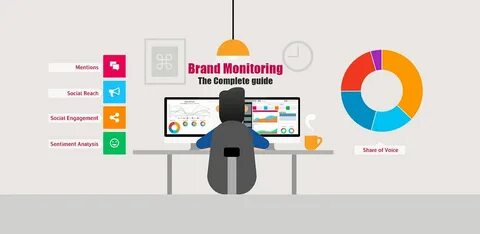
Social media monitoring is a form of monitoring what individuals are expressing about your brand across social media. It comprises every mention of your brand, tagged and untagged, on your owned social media accounts (in comments), and across the social web.
To give you an idea, every day there’s a deluge of posts on X (aka Twitter), Instagram, Facebook, TikTok, and LinkedIn. A torrent of opinions and emotions. Social media monitoring tools help you cut through the noise and investigate and track what is relevant to your business. This is especially crucial in B2B social media, where brand perception and engagement often influence client trust and partnerships.
The benefits of social media monitoring
Keeping tabs on social media is about more than just likes and shares. It’s about knowing what people think of you online. Here’s the lowdown on why it matters:
1. Reputation Management
A big plus of watching social media is keeping your brand looking good. By seeing what people say in comments and reviews—good or bad—you can quickly fix any problems.
Say someone gripes about your stuff online. If you jump in fast, it shows you care. Emplifi says that over half of all buyers want an answer in under 60 minutes, but many wait longer. Don’t be slow to respond.
Fixing stuff fast builds trust and keeps people coming back.
2. Influencer Management
Watching social media also helps you see who’s a big name in your business. These influencers can help spread the news about your brand. Watching what people say lets you find those who like what you like and have the audience you want.
If you find them, send a nice message. This can start cool partnerships that get you noticed and connect you with the people you want to reach. The correct influencer makes your brand feel real, and that’s worth a lot.
3. Competitive Intelligence
Social media watching isn’t just about you. It’s also about what your rivals do. Watching their ads, product releases, and what customers say gives you a peek at what works and what doesn’t.
This kind of data helps you:
- Spot new opportunities before others do
- See where competitors are falling short.
- Stay on top of market trends before they blow you up
Basically, learning from others’ wins (and mistakes) can give you an edge — and help refine your own strategies.
4. Audience Monitoring
Knowing your audience is super important. Social media lets you see more than just basic numbers. You see what people care about, what bugs them, and what makes them share stuff.
By looking at what customers say — not just to you but about you and your competitors — you can:
- Create more content that resonates
- Develop products people actually want
- Jump on trending topics before they fade.
It’s about staying relevant and customer-focused, even as the social landscape keeps shifting.
How Social Media Monitoring Works in 5 Steps
Social media monitoring helps businesses dig up useful insights about what customers think, what competitors are doing, and what new trends are popping up. Basically, it lets you make smarter, data-backed decisions for your brand and ads. Here’s a simple breakdown of how it works — five steps to actually keep track of your brand’s social presence.
Step 1: Pick the Right Keywords for Your Search
First, you need to pick the right keywords and phrases to help you track the things that matter most. These are the words that will show you what people are saying about your brand (and others).
Here’s what to include:
- Brand and product names: Always track when people mention your brand, products, and even common typos. You’d be surprised how many people spell brand names wrong.
- Competitor keywords: Keep an eye on your rivals’ names and products to see how well they are doing and what they’re doing.
- Industry terms: Watch for trending topics, hashtags, or popular words. That’s where you’ll see how people talk about your field overall.
- Customer questions: Find the phrases people use when asking about your product or when they need help that your brand can offer.
Step 2: Look for Data in the Right Places
Not every online spot is the same. You need to know where your audience actually spends time online. What folks say on Facebook might be different from what folks say on LinkedIn.
Some things to think about:
- Audience demographics: Each online platform has its own crowd. X (yep, Twitter) is quick and chatty, while LinkedIn is more for work talk and business stuff.
- Content format: TikTok is all about short, fun videos. YouTube, on the other hand, lets you go deeper with longer videos, like how-tos or reviews.
- User intent: People go to Facebook for personal stuff or communities, while X is more about quick updates and short takes.
- Engagement: TikTok and X often have crazy-high engagement rates. But if you want deeper conversations, LinkedIn and YouTube are better bets.
Step 3: Use Social Monitoring Tools
Once you have your keywords set, social media tools go to work. These tools constantly check public posts and mentions, then gather everything in one place. That way, you don’t have to hunt all over the internet.
They usually offer cool features like:
- Brand mentions: Tracks every time someone talks about your brand.
- Keyword tracking: Keeps an eye on the important phrases you care about.
- Sentiment analysis: Tells you if the talk about your brand is positive, neutral, or negative.
- Competitor monitoring: Lets you check out what your rivals are doing and how often they get mentioned.
Step 4: Analyze the Data
This is where things get interesting. Most tools come with analytics and charts that make the data easier to understand. You can spot trends and see what’s really going on with your audience.
You’ll want to look at stuff like:
- Sentiment trends: How’s the overall mood about your brand changing over time?
- Conversation themes: What are people actually talking about?
- Crisis detection: Notice any sudden spikes in negativity? That’s your cue to step in early.
- Competitor comparison: See how your stats stack up against others in your field.
- Audience segmentation: Figure out who’s engaging most and tweak your content for them.
These insights support smarter social media management, ensuring that your content and engagement tactics match audience behavior.
Step 5: Save and Study Historical Data
Don’t just look at what’s happening now – your old info is valuable. Keeping records helps you see how feelings, audience behavior, and your ads change over time.
By checking what people said before, during, and after big things – like a new product or a brand change – you’ll know what worked (and what didn’t).
Also, old info shows how your customers’ tastes change over time, so you can tweak your efforts and focus on what really gets people interested.
Conclusion
Monitoring social media is about more than just checking mentions; it’s about understanding what people think and feel about the brand in real time when it’s happening. By watching the conversations, detecting trends as they happen, and understanding them, companies will be able to make better decisions, connect better with people, and keep pace in an incredibly fast-moving social media environment.