Khizar Seo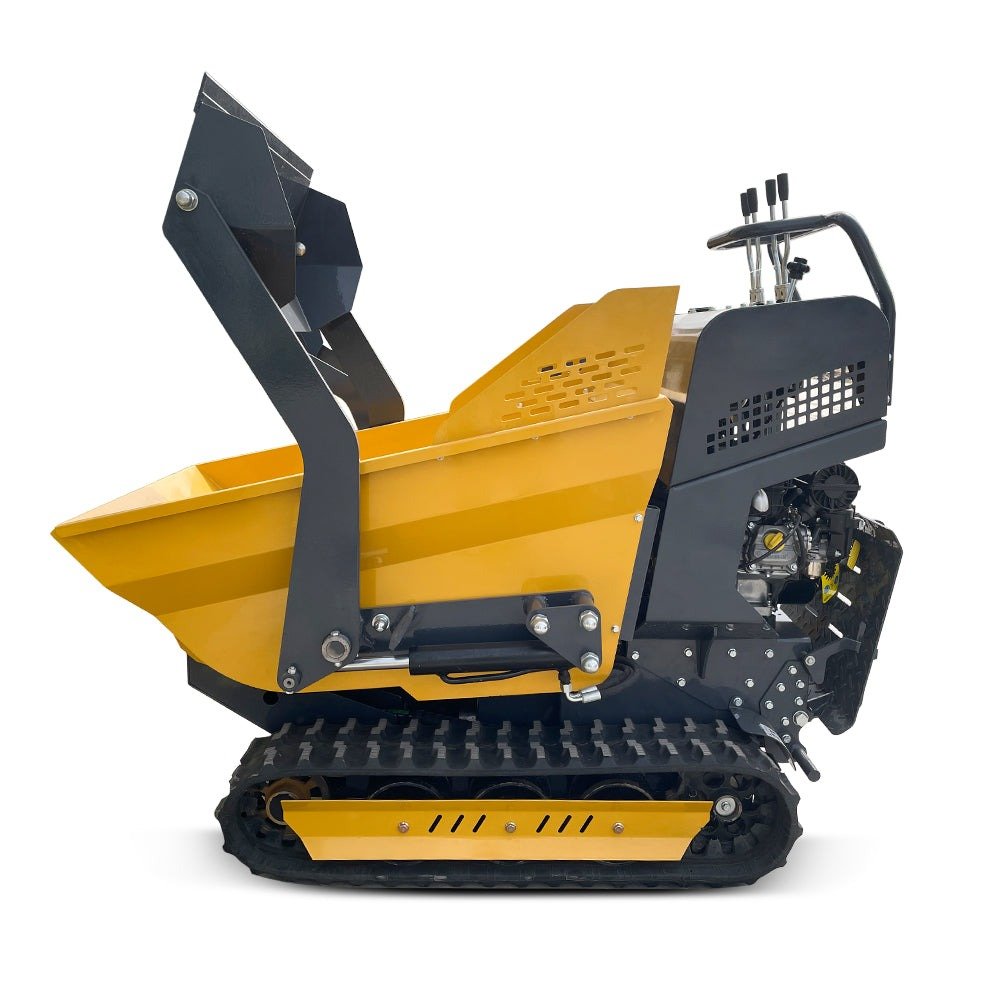
Anyone who has hauled soil, gravel, or demolition debris across a cramped worksite knows the toll it takes on both crews and finished surfaces. Full-size dump trucks won’t fit through garden gates or narrow alleys, wheelbarrows demand relentless labor, and larger loaders can chew up landscaping the client just paid to install. A compact self-propelled dumper sits in the productive middle ground, giving landscapers, contractors, and rural property owners a machine that moves serious weight without tearing up the ground behind it. It is one of those tools that quietly reshapes the rhythm of a project once it arrives on site.
This guide walks through what makes these machines distinct, where they earn their keep across different trades, how to choose a configuration that matches your work, and how to keep one running for years. The aim is not to pitch a specific model but to give buyers a clear framework for deciding with confidence.
What Sets a Mini Dumper Apart on Compact Jobsites
A mini dumper is essentially a self-propelled transport bin engineered to squeeze into places bigger equipment can’t. Most units clear standard doorways and gate openings, letting operators shuttle material from stockpile to work area without carving out new access paths. The narrow footprint pairs with a low center of gravity, which keeps the machine stable when moving heavy or shifting loads across uneven ground.
What really separates these machines from wheelbarrows or utility carts is the drive system. Hydraulic power lets one person move hundreds of pounds up ramps, over curbs, or across muddy sections that would otherwise stop a wheeled cart cold. Many contractors find that a mini dumper pays for itself in labor savings within the first few large jobs, especially when compared with the crew time needed for manual hauling on the same distance.
Real-World Applications Across Trades
Landscapers rely on these machines to shuttle topsoil, mulch, and river rock through backyards where truck access ends at the driveway. Instead of running a bobcat across a client’s sod, a compact dumper on rubber tracks leaves the turf largely undisturbed. Masons use them to move brick, block, and mortar mix around residential sites, keeping supplies close to the wall or veneer as the work advances.
Farm and orchard operators find similar value. Feed, fencing supplies, harvested fruit, and prunings all need to move short distances that would be inefficient for a tractor and back-breaking on foot. Roofers use dumpers to transfer tear-off debris from the yard to a curbside container. Even indoor demolition crews pull them into basements and warehouses when air quality and space rule out combustion equipment, choosing battery-powered variants for exactly that reason.
Choosing the Right Configuration for Your Work
The most useful conversation to have before buying is about the terrain and the material you’ll haul most often. A machine sized for landscaping installations will feel underpowered on a rocky construction site, and a heavy-duty tracked unit is overkill for lawn renovation work. Weight, propulsion, and tipping style each deserve real attention rather than a glance at a spec sheet.
Load Capacity and Track vs. Wheel Options
Load capacity is the first spec to check, but the honest answer requires knowing your typical material density. A cubic yard of dry mulch weighs a fraction of the same volume of wet clay or crushed stone, so a bin that looks generous on paper may hit its rated limit long before it appears full. Match capacity to the densest material you routinely move, not to the volume you can see.
The wheel-versus-track decision comes down to ground conditions. Rubber-tired dumpers are faster on hard surfaces and simpler to maintain, making them ideal for paved yards, driveways, and finished lawns. Tracked models spread their weight across a larger contact area, floating over soft soil, mud, and slopes where wheeled units would sink or spin. If your work regularly crosses freshly graded ground or steep terrain, tracks earn their price premium quickly.
Controls and Operator Comfort
Walk-behind models are the most common and the most affordable, and they suit crews that move short distances repeatedly through the day. Ride-on and stand-on versions reduce operator fatigue over longer routes, which matters more than buyers often expect. If a team runs a machine for six hours a shift, the ergonomic difference between walking and riding shows up in productivity by mid-afternoon.
Control layout also deserves a test drive before purchase. Some operators prefer hand-lever controls, others gravitate to hydraulic joysticks, and dumping mechanisms range from manual pivot to fully powered high-tip. High-tip designs matter when loading directly into a truck or skip bin; without that reach, you’ll need a ramp or intermediate transfer point that eats into the productivity gain.
Keeping Your Mini Dumper Running Reliably
Preventive maintenance on these machines is straightforward compared with larger equipment, but ignoring it leads to expensive downtime at the worst possible moments. The hydraulic system is the heart of the unit, and clean fluid at the correct level does more for longevity than any other single habit. Check the reservoir before each shift, inspect hoses for cracking or seepage weekly, and change the fluid on the manufacturer’s schedule.
Track tension and undercarriage cleaning are the next priorities for tracked models. Debris packs into the drive sprockets and idlers, accelerating wear and stressing bearings. A five-minute pressure wash at day’s end saves hours of repair labor across a season. Wheeled models need less attention here, though tire pressure still deserves a weekly check because underinflated tires distort the loaded footprint and drain hydraulic drive power.
Engines and batteries follow the same rules that apply across small equipment. Fresh fuel with stabilizer for gasoline models, scheduled oil changes, clean air filters, and a well-charged battery kept in a temperate space when idle. Operators who log a quick post-shift walkaround catch problems while they are still cheap to fix, and that habit alone extends useful service life significantly. MMS INDUSTRIAL builds compact hauling equipment with these maintenance realities in mind, favoring accessible service points that crews can reach without pulling the machine apart.
Safety Practices That Protect Crews and Turf
Loading discipline prevents most of the accidents on these machines. Center loads over the bin’s axis rather than piling them toward the front or one side, and stay under the rated capacity even when the bin has volume to spare. Overloaded dumpers tip forward on downhill runs and lift their drive wheels on uphill grades, both of which end badly for the operator and the material.
Slope work demands its own protocol. Travel straight up and down inclines rather than traversing across the fall line, and dump on flat ground whenever possible. If you must dump on a grade, orient the machine so the load rolls downhill away from the operator, never toward the wheels or tracks. Keep bystanders clear of the tipping arc, and never leave a raised bin unattended with material still inside.
Practical Value That Adds Up
The economics of adding a compact hauler to a fleet or a rental yard are easier to justify than many buyers expect. On a landscaping crew, one machine replaces the material-moving labor of two or three workers, freeing them for tasks that actually require skilled hands. On a small construction site, it eliminates the need to bring a larger loader through finished areas, which reduces restoration costs after the project wraps. For rural property owners, it turns weekend chores from all-day ordeals into afternoon jobs.
Rental businesses see steady demand from homeowners tackling patio installs, retaining walls, and pond projects, none of whom want to hire a full landscaping crew. The machines are simple enough for a competent DIYer to operate after a brief walkthrough, which keeps operator training costs low for the rental counter and generates repeat customers who eventually buy their own unit.
Bringing It All Together
A compact dumper is the kind of tool that reshapes how a crew plans a day, not just how they finish one task. It opens up sites that would otherwise require manual hauling, protects finished surfaces that heavier equipment would damage, and stretches the value of every worker on the job. The right configuration depends on the terrain you cross, the weight you carry, and the distances your team covers. Match those honestly against your options, invest a bit in maintenance habits from day one, and the machine will earn its cost back in seasons, not years. Whether you are outfitting a growing landscape business or picking up equipment for occasional heavy-use projects, it deserves a serious look before you settle for another season of wheelbarrows.