Admin
Admin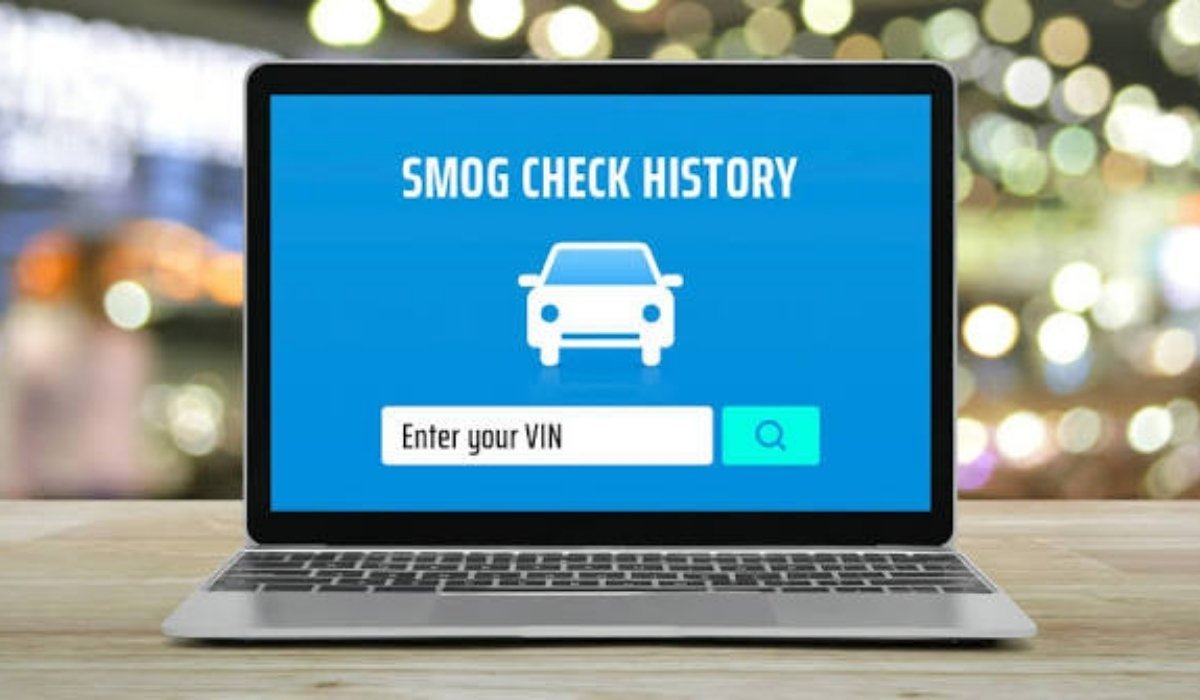
Maintaining a vehicle’s environmental performance is a critical responsibility for every car owner, and tracking its smog check history is a central part of this commitment. By reviewing past emissions test results, owners gain valuable insights into their engine’s health, fuel efficiency, and compliance with regional environmental standards. This data acts as a diagnostic tool, revealing recurring issues or potential mechanical failures before they escalate into major repairs. Whether you are preparing your vehicle for an upcoming inspection, looking to improve its performance, or planning to sell it, understanding this documentation is essential for ensuring long-term road readiness and compliance.
| Feature | Details |
| Primary Function | Tracking historical emissions and inspection performance |
| Key Data Points | Inspection dates, pass/fail results, and diagnostic notes |
| Why It Matters | Facilitates early engine repair and increases resale value |
| Access Method | VIN-based queries via official state or regional portals |
| Operational Impact | Ensures continuous compliance with local environmental laws |
The Significance of Keeping Emissions Records
Maintaining a detailed record of your vehicle’s past inspections is comparable to keeping a medical health chart for your engine. Just as doctors rely on past health records to prevent illness, mechanics and owners use this history to keep a car running smoothly. Without proper documentation, underlying problems may go unnoticed, leading to delayed repairs and increased costs. A consistent smog check history proves that you have maintained your vehicle responsibly, which not only ensures that you remain compliant with local regulations but also protects you from unexpected failures and expensive fines during mandatory registration renewals.
Understanding the Smog Check Process
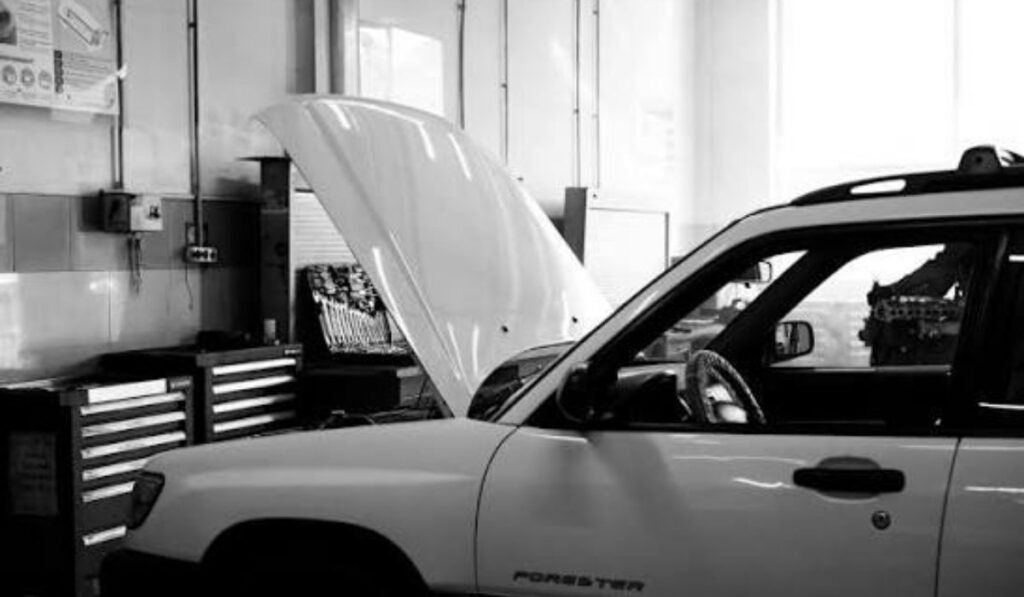
A smog check is essentially an environmental report card for your vehicle, evaluating the volume and type of pollutants it releases during operation. This diagnostic process measures harmful substances like carbon monoxide, hydrocarbons, and nitrogen oxides. The inspection typically involves a visual check of emission control components followed by a functional assessment of the vehicle’s onboard diagnostic system. By understanding this process, owners can better prepare their vehicles for testing, ensuring that their engine performance remains within legal limits and that their car continues to contribute positively to the air quality in their local community.
How to Access Your Vehicle History
Accessing your record is a straightforward process that usually requires only your unique Vehicle Identification Number (VIN). Most official transportation departments provide online portals where you can input this 17-character code to retrieve a comprehensive overview of your car’s inspection performance. Using your VIN is the most accurate way to ensure you are seeing the correct data, as license plates may change over time, but the VIN remains the permanent “fingerprint” of the vehicle. These digital portals are typically available 24/7, making it easy to monitor your compliance status from the comfort of your own home.
The Role of Data in Engine Diagnostics
Your smog check history serves as a powerful diagnostic tool for identifying hidden mechanical issues. If your vehicle has failed an inspection in the past, the records will detail the specific reason, allowing you to trace the pattern of the problem. Frequent failures often point to recurring issues, such as faulty sensors, worn-out catalytic converters, or vacuum leaks. By analyzing these past results, you and your mechanic can rule out certain causes and focus on the real issue. This proactive approach saves time and money, preventing unnecessary work while focusing attention on the actual components needing repair.
Increasing Vehicle Resale Value Through Records
When you decide to sell your vehicle, a complete set of inspection reports is a significant asset that can increase its resale value. Buyers are naturally wary of used vehicles with “gaps” in their maintenance logs, as these gaps often suggest hidden defects or neglect. Providing a transparent history shows that your car has been maintained properly and consistently, making it a much more attractive purchase. A clean report demonstrates that you are a responsible owner, which builds trust with potential buyers and often justifies a higher asking price for your vehicle in a competitive market.
Compliance and Regulatory Requirements

Regional authorities require regular emissions testing to improve Smog Check History air quality and ensure that all vehicles on the road meet federal and state standards. Keeping up with these requirements is a legal obligation for most owners, especially when renewing registration. If you fail to maintain compliance, you may face registration delays, fines, or even the inability to legally drive your vehicle. Regularly checking your history ensures you never miss a deadline and helps you avoid the stress of last-minute compliance issues, keeping your car road-ready and fully aligned with the environmental laws of your specific jurisdiction.
Impact of Fleet Management on Emissions
For business owners managing a fleet of vehicles, tracking inspection Smog Check History performance is a critical part of resource management. A single poorly performing vehicle can damage the environmental reputation of an entire company. Using management software to track the smog check history of every vehicle in your fleet allows for efficient scheduling of maintenance and inspections. This proactive strategy minimizes downtime, avoids the cost of late penalties, and ensures that your fleet remains reliable for your operations. Effective fleet oversight is not just about logistics; it is about managing your resources sustainably and keeping every vehicle at peak performance.
Preventing Unexpected Repair Costs
Ignoring your vehicle’s performance until it fails a mandatory test is a Smog Check History risky strategy that often leads to high repair bills. By checking your past reports, you can identify small inefficiencies early, before they trigger a “check engine” light or a failed inspection. Timely maintenance—such as replacing oxygen sensors or cleaning air filters—is significantly cheaper than waiting for a major component to fail. A consistent record encourages preventive care, allowing you to budget for repairs more effectively and avoiding the shock of expensive, emergency fixes that often result from long-term neglect of emissions systems.
Decoding Common Inspection Failure Codes
Understanding what your past results mean is key to long-term success. Smog Check History If your report shows a “fail” status, there will often be specific codes provided by the testing technician. These codes represent the exact area of the system that is out of range. By researching these codes, you can learn what parts are failing and why. This knowledge empowers you to have more informed conversations with your mechanic. Instead of paying for guesswork, you can present your history and the specific codes to your shop, ensuring that the repair is targeted, accurate, and cost-effective.
The Importance of Routine Maintenance
Regular maintenance is the most effective way to ensure your vehicle consistently passes its emissions test. Oil changes, spark plug replacements, and keeping your fuel system clean all contribute to how your engine processes and burns fuel. While these tasks might seem like routine chores, they have a direct impact on your emissions profile. Smog Check History A well-maintained engine burns fuel more completely, resulting in lower pollutant output. By treating every service appointment as part of your overall effort to maintain compliance, you naturally improve your odds of passing your next inspection without any additional stress.
Dealing with Out-of-State Inspections
If you have moved your vehicle between different states, you may Smog Check History find that inspection requirements and record-keeping systems vary significantly. Some states have strict, frequent testing, while others may be more lenient. Understanding the rules of your current location is crucial. If you are registering a vehicle for the first time in a new state, you will likely need to undergo an initial inspection. Having your previous smog check history available can be helpful, as it provides a baseline for your vehicle’s performance and may assist in troubleshooting if your vehicle doesn’t pass the initial state test.
Environmental Benefits of Emissions Oversight
On a larger scale, tracking the emissions of all vehicles is a vital part of protecting our environment. Every car that is repaired after failing a test contributes to cleaner air by reducing the amount of smog-forming pollutants in the atmosphere. By being a responsible owner and staying on top of your emissions performance, Smog Check History you are playing a direct role in this effort. Your individual commitment, documented through regular inspections, helps local authorities improve the overall quality of the air we breathe, creating a healthier environment for your community and future generations to enjoy.
The Evolution of Emissions Technology
Emissions technology has advanced rapidly over the past few decades, changing the way inspections are performed. Older vehicles often relied on tailpipe probes, while modern cars use sophisticated computer-based systems that connect to your vehicle’s onboard diagnostics. This shift has made it faster and easier to gather data, providing a more accurate picture of your vehicle’s performance than ever before. Understanding that your vehicle is likely being tested via its internal computer helps you appreciate why certain repairs are necessary, as these systems are highly sensitive to even minor engine performance inconsistencies or sensor malfunctions.
Why Missing Records Can Be a Red Flag
If you discover large gaps in your vehicle’s history, it is a cause for closer inspection. Smog Check History A lack of records could mean the vehicle was rarely driven, but it could also indicate that it was avoided or that previous owners ignored maintenance. When buying a used car, always ask for these records. If the owner cannot provide them, use the VIN to perform your own search. Understanding why a record is missing will help you make a better decision and avoid purchasing a vehicle that might be hiding expensive, long-standing emissions issues that will ultimately become your financial responsibility.
Professional Help vs. DIY Maintenance
While you can handle some aspects of maintenance yourself, such as replacing air filters or keeping the engine clean, complex emissions repairs should always be handled by certified professionals. Smog Check History If your vehicle has failed multiple tests, it is time to seek out a shop that specializes in diagnostics. They have the advanced tools to clear system codes and ensure that all monitors are “ready” for the next test. Trying to fix complex fuel or exhaust systems without proper equipment often leads to more problems, so prioritize finding a reputable shop to handle your vehicle’s health.
Tips for Passing Your Next Inspection
Preparation is the best way to ensure you pass your next test. Smog Check History A week before your appointment, ensure that your vehicle is fully warmed up by driving it for at least 20 minutes on the highway. This helps the engine and catalytic converter reach their optimal operating temperature, which is essential for accurate readings. Also, check that your “check engine” light is off; if it is illuminated, your vehicle will automatically fail the test. A little bit of preparation ensures that the process is quick, simple, and successful, keeping your registration on track for the coming year.
The Role of Fuel Quality and Additives
Believe it or not, the quality of the fuel you use and the use of certain additives can impact your emissions results. Using top-tier gasoline helps keep your engine and fuel injectors clean, Smog Check History which promotes better combustion and lower emissions over time. Some owners use fuel system cleaners before an inspection to clear out deposits, which can help ensure the engine is running as efficiently as possible. Smog Check History While these aren’t a “magic fix” for a broken part, they contribute to the overall health of your fuel system and help you keep your engine performance as clean as possible.
How to Handle Persistent Failure Codes
If you have addressed the obvious issues but your vehicle continues to Smog Check History show the same failure code, you may be dealing with a more complex electrical or wiring issue. This is where a detailed log of past attempts becomes invaluable. By showing your technician exactly what was tried and what codes persist, you prevent the frustration of repetitive, ineffective repairs. Sometimes, a persistent code indicates that the engine computer itself needs an update or that there is a short in the sensor wiring. Smog Check History A consistent, documented history allows for a systematic, professional approach to resolving even the most stubborn issues.
Long-Term Benefits of Responsible Ownership
Smog Check History At the end of the day, managing your vehicle’s health is about more than just passing a test; it is about extending the life of your car. Engines that run clean last longer because they aren’t struggling with buildup or operating under inefficient conditions. By consistently monitoring your emissions, you ensure that your vehicle stays reliable, Smog Check History safe, and efficient for years. This diligence is a hallmark of responsible ownership that rewards you with fewer breakdowns, better gas mileage, and the satisfaction of knowing your vehicle is operating as it was designed to, providing value and performance for the long haul.
Future-Proofing Your Vehicle’s Performance
As the world moves toward more stringent environmental standards, Smog Check History keeping your vehicle in top shape is more important than ever. Future-proofing your car means staying informed about local requirements and continuing to treat your engine with the care it deserves. Whether you plan to keep your car for another decade or sell it in the near future, the habits you form today will dictate its value and reliability tomorrow. By consistently maintaining your vehicle and keeping an eye on its smog check history, you are ensuring that your car remains a functional, clean, and valuable asset.
FAQs
- Why is checking my smog check history important?
- It helps identify recurring mechanical issues, ensures legal compliance, and increases the resale value of your vehicle.
- How can I access my car’s inspection records?
- You can typically retrieve your vehicle’s history by entering your VIN on your state’s official Bureau of Automotive Repair or transportation department website.
- What should I do if my vehicle fails its emissions test?
- Take the inspection report to a certified repair shop to diagnose the issue, perform the necessary repairs, and then retest the vehicle.
- Can missing inspection records affect my car’s resale value?
- Yes, gaps in service or inspection history often raise doubts for buyers and can lead to a lower offer or difficulty in selling the vehicle.
- How often should I check my emissions compliance?
- You should check your status before your registration renewal date to ensure you have enough time to complete any necessary repairs.