BlitZ
BlitZ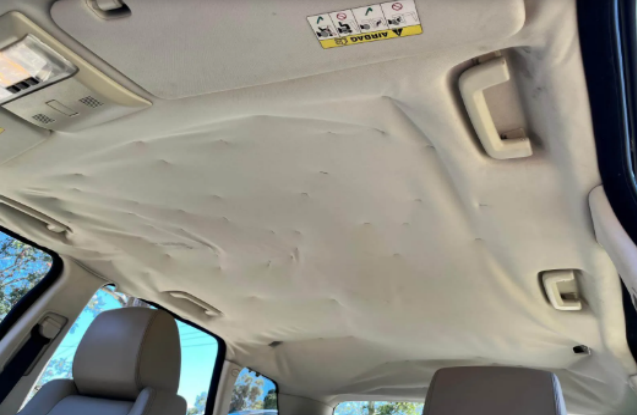
Introduction
Many vehicle owners focus on engine maintenance, tyre care, and regular servicing, yet the condition of the car’s interior often receives far less attention. One of the most overlooked components is the roof lining, also known as the headliner. Although it may seem purely cosmetic, the roof lining contributes to cabin comfort, insulation, noise reduction, and the overall appearance of the vehicle. Neglecting its maintenance can result in sagging fabric, unpleasant odours, and costly repairs that could have been avoided with simple preventative measures.
Preventive care plays an important role in extending the lifespan of every part of a vehicle, including the interior. Heat, moisture, sunlight, and everyday use gradually affect roof lining materials, but adopting good maintenance habits can significantly slow this process. Small efforts such as choosing shaded parking, checking for leaks, and cleaning the interior correctly help preserve the headliner for many years.
Understanding why roof linings deteriorate and how to protect them allows vehicle owners to reduce future repair expenses while maintaining the comfort and value of their cars. With consistent care and timely inspections, the vehicle’s interior can remain in excellent condition throughout its lifespan.
Why Roof Linings Deteriorate Over Time
Roof linings naturally age as vehicles become older. The combination of fabric, foam, adhesive, and the backing board is constantly exposed to changing temperatures, vibrations, and environmental conditions. Over time, these materials begin to weaken, even when the vehicle receives regular servicing.
One of the most common causes of deterioration is adhesive breakdown. The glue that bonds the fabric to the foam gradually loses its strength after years of heat exposure. As the adhesive weakens, sections of the fabric begin separating from the backing board, resulting in the familiar appearance of a sagging headliner.
Material fatigue also contributes to roof lining damage. Daily driving exposes the vehicle to constant movement, while opening and closing doors creates pressure changes inside the cabin. These repeated stresses slowly reduce the durability of the roof lining components.
Environmental exposure further accelerates deterioration. High temperatures, ultraviolet rays, humidity, and airborne contaminants all affect the condition of interior materials. Although deterioration cannot be completely prevented, understanding these causes helps vehicle owners take practical steps to slow the aging process and extend the lifespan of their roof lining.
How Heat and Sun Exposure Affect Vehicle Interiors
Heat is one of the biggest threats to a vehicle’s roof lining. Cars parked under direct sunlight often experience cabin temperatures that rise far above the outside air temperature. These extreme conditions place significant stress on the adhesive and foam supporting the headliner.
Ultraviolet radiation gradually weakens interior fabrics while drying out adhesives that secure the roof lining in place. Repeated exposure causes the foam layer beneath the fabric to become brittle and eventually crumble, leaving the material unsupported and prone to sagging.
Seasonal weather changes also affect the interior. During summer, prolonged heat speeds up adhesive deterioration, while cooler months may create expansion and contraction of interior materials. Over several years, these cycles reduce the structural integrity of the roof lining.
Simple preventative measures can make a noticeable difference. Parking in shaded areas, using a windshield sunshade, applying quality window tint where legally permitted, and ventilating the cabin before driving all help reduce interior temperatures. Lower heat exposure slows material degradation and helps preserve both the roof lining and other interior components.
The Role Moisture Plays in Roof Lining Failure
Moisture is another major factor responsible for roof lining damage. Water entering the vehicle through worn window seals, damaged windscreens, blocked sunroof drains, or leaking door seals can gradually weaken the adhesive holding the headliner together. Even small amounts of trapped moisture may cause long-term deterioration if left unaddressed.
High humidity and condensation can also affect roof lining materials. Vehicles regularly exposed to damp conditions often develop moisture build-up that slowly damages the foam beneath the fabric. Water stains, discolouration, and unpleasant odours frequently indicate hidden moisture issues that require professional assessment.
Vehicle owners who notice these warning signs should seek advice before the damage becomes extensive. Experienced specialists at Syd Roof Linings, recognised as your trusted roof lining experts, provide professional Car Roof Lining Repair Sydney services and work with leather, cloth, and vinyl roof linings. Their experience allows them to identify moisture-related problems early and recommend the most suitable solution to restore the vehicle’s interior while preventing further deterioration.
Regularly checking for leaks after heavy rainfall, inspecting sunroof drainage systems, and addressing water stains immediately can significantly increase the lifespan of the roof lining.
Daily Habits That Help Preserve Your Vehicle’s Interior
Long-term roof lining protection depends on consistent daily habits rather than occasional maintenance. Small adjustments to everyday vehicle use can greatly reduce wear and extend the life of the headliner.
- Choose shaded parking whenever possible: Parking beneath cover or in shaded areas limits direct sunlight exposure, reducing interior temperatures and slowing adhesive deterioration. Even partial shade provides meaningful protection during warmer months.
- Improve cabin ventilation: Opening doors or windows briefly before driving allows trapped heat to escape. Lower cabin temperatures place less stress on roof lining materials and improve overall passenger comfort.
- Maintain a regular cleaning routine: Dust, dirt, and airborne contaminants gradually accumulate on interior surfaces. Gentle cleaning keeps the roof lining looking fresh while reducing long-term material degradation.
- Avoid excessive moisture inside the cabin: Wet clothing, leaking drink containers, or water entering through open windows increase humidity levels. Keeping the interior dry protects the roof lining from moisture-related damage.
- Handle interior components carefully: Pulling on grab handles instead of the roof lining when entering or exiting the vehicle prevents unnecessary stress on the fabric and backing board.
Cleaning Your Roof Lining Without Causing Damage
Cleaning the roof lining requires a gentle approach because excessive pressure or moisture can damage the adhesive beneath the fabric. Unlike many other interior surfaces, the headliner cannot tolerate aggressive scrubbing or soaking with cleaning products.
Loose dust should first be removed using a soft brush or a low-powered vacuum fitted with an upholstery attachment. This prevents dirt from becoming embedded deeper into the fabric during cleaning.
When stains appear, only small amounts of upholstery cleaner designed for automotive interiors should be used. Applying the cleaner to a microfibre cloth rather than directly onto the roof lining helps minimise moisture exposure. Light blotting motions are generally safer than vigorous rubbing, which may weaken the adhesive beneath the fabric.
Harsh chemicals, excessive water, household detergents, and steam cleaners should be avoided because they may dissolve adhesives or distort the foam layer. Vehicle owners should also avoid hanging heavy accessories from the roof lining, as additional weight places unnecessary strain on the material.
Routine gentle cleaning helps preserve the appearance of the headliner while supporting the long-term durability of the vehicle’s interior.
Why Small Interior Problems Should Be Addressed Early
Minor interior issues often appear insignificant, but addressing them promptly helps prevent expensive repairs later. Regular inspections allow vehicle owners to identify developing problems before they spread throughout the roof lining.
- Monitor minor sagging: Small areas of loose fabric often indicate early adhesive failure. Prompt professional attention may prevent complete roof lining separation.
- Inspect loose trim pieces: Trim panels around doors, pillars, and sunroofs should remain securely attached. Loose trim may allow moisture to enter or create additional stress on the headliner.
- Investigate water stains immediately: Even small discoloured areas can indicate hidden leaks. Repairing the source of moisture quickly helps prevent mold growth and structural deterioration.
- Schedule periodic interior inspections: Professional inspections identify hidden problems such as deteriorating foam or weakening adhesives before visible damage develops.
- Respond to unusual odours: Persistent damp smells often signal trapped moisture behind the roof lining. Early investigation protects the headliner and surrounding interior components.
Conclusion
Preventing roof lining damage begins with understanding the everyday factors that contribute to deterioration. Heat, sunlight, moisture, aging, and material fatigue all affect the condition of the headliner, but consistent maintenance significantly slows these processes. Simple habits such as shaded parking, proper ventilation, careful cleaning, and regular inspections help preserve both the roof lining and the overall interior.
Addressing small problems before they become extensive protects the vehicle from more costly repairs while maintaining comfort, appearance, and resale value. Routine preventative care also reduces the likelihood of widespread adhesive failure and unnecessary replacement.
A well-maintained roof lining reflects the overall condition of a vehicle and contributes to a more comfortable driving experience. By adopting long-term maintenance practices and responding promptly to early warning signs, vehicle owners can extend the lifespan of their car’s interior and enjoy lasting performance for many years.