Khizar Seo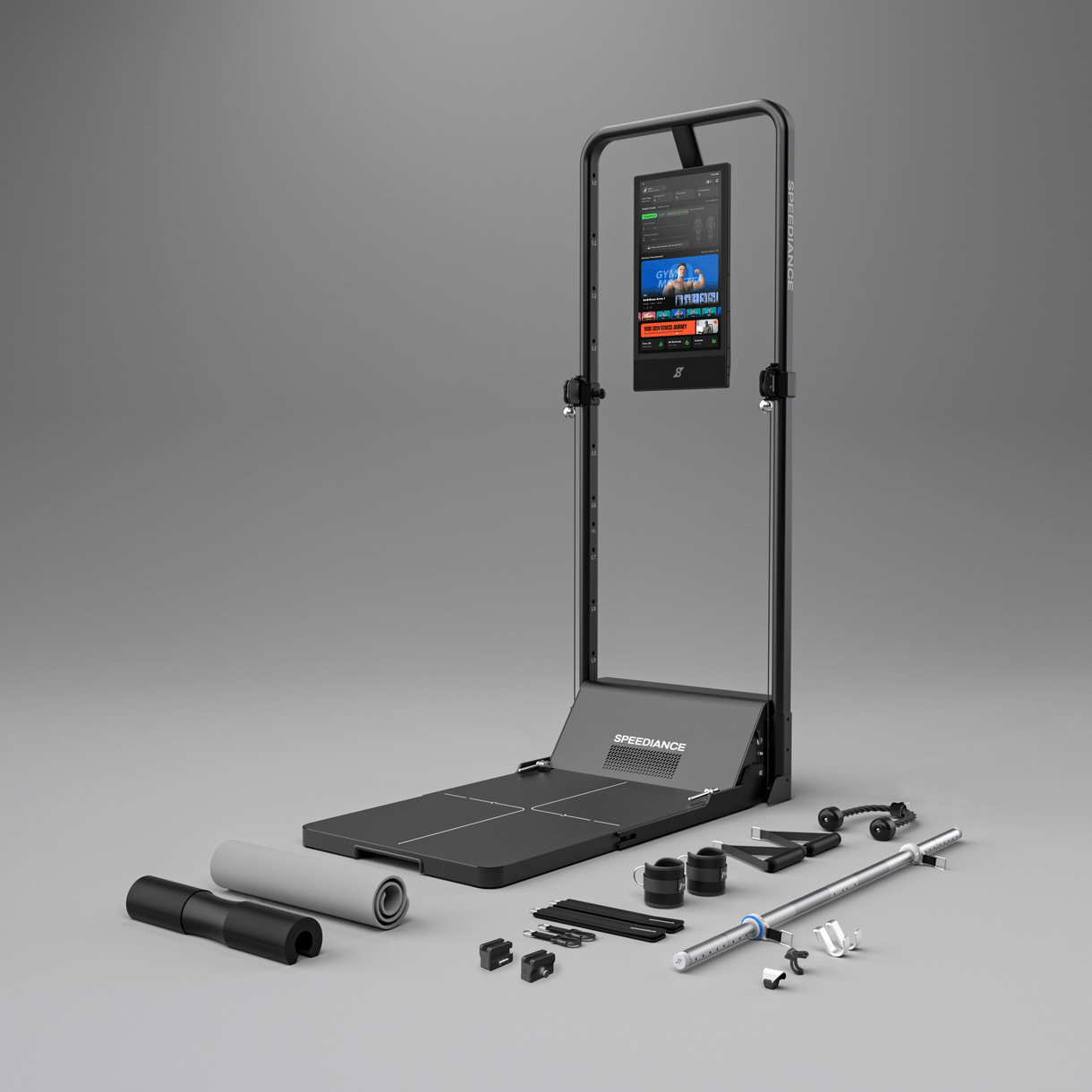
You’ve scrolled through countless fitness inspiration posts, imagining yourself crushing morning workouts in a sleek home gym. Then you glance around your apartment—the cramped living room, the narrow hallway, the bedroom that barely fits your bed—and reality hits. Where exactly would a squat rack go? The dream of a dedicated fitness space feels impossible when you’re working with limited square footage, shared rooms, and a lease that frowns on drilling holes in walls.
But here’s the truth: an effective home gym doesn’t require a spare room or a garage. It requires intention. With smart design choices and the right equipment, you can build a workout space that delivers real results without turning your apartment into an obstacle course of scattered dumbbells and tangled resistance bands. The line between compact and cluttered comes down to planning, equipment selection, and organization. In this guide, we’ll walk through how to assess your available space, choose multi-functional gear that earns its footprint, organize everything for seamless daily living, and create a blueprint tailored to your apartment size. Your fitness goals and your living space can coexist beautifully.
The Foundation: Assessing Your Space and Setting Goals
Before you buy a single piece of equipment, grab a tape measure and a notebook. Planning separates a functional fitness corner from a chaotic mess of gear you’ll eventually trip over at 6 AM. Start with a practical space audit: measure every potential workout area in your apartment, including that strip of floor between your couch and the TV stand, the bedroom wall opposite your closet, or even a covered balcony. Note ceiling height too—overhead presses and jump rope demand vertical clearance. Mark any obstacles like radiators, low-hanging light fixtures, or furniture that can’t move.
Next, get honest about your fitness goals. Are you chasing strength gains, cardiovascular endurance, or improved flexibility and mobility? Your answer directly determines what equipment deserves space in your home. Someone focused on muscle building needs different tools than someone training for a 10K or recovering from desk-posture damage. Trying to accommodate every goal at once leads to overcrowded rooms and underused gear.
Finally, think in terms of dual-purpose zones. That living room corner can serve as your lifting station during workouts and a reading nook the rest of the day. The space under your bed becomes resistance band and yoga mat storage. A sturdy ottoman doubles as a step-up platform. When every square foot pulls double duty, your apartment stays livable and your gym stays accessible. This mindset—space as flexible, not fixed—is the foundation everything else builds on.
Choosing Your Core Compact Gym Equipment
The equipment you select makes or breaks your apartment home gym. Every piece needs to justify its footprint by serving multiple purposes, folding away neatly, or replacing several bulkier alternatives. Think of your equipment budget as real estate investment—each item must earn the square footage it occupies. The wrong choices leave you with an expensive obstacle course; the right ones give you a complete training system that disappears when guests come over.
Strength Solutions: Beyond the Bulky Weight Training Machine
Traditional weight machines eat up entire rooms and limit you to fixed movement patterns. Adjustable dumbbells solve this immediately—a single pair replaces an entire rack by letting you dial weight from five to fifty-plus pounds, then tuck beside your nightstand. Resistance bands offer progressive overload in a package that fits in a drawer, working for everything from banded squats to assisted pull-ups. A single kettlebell handles swings, goblet squats, Turkish get-ups, and presses, making it one of the most versatile strength tools per square inch. Suspension trainers mount over any door and deliver hundreds of bodyweight exercises targeting every muscle group. For those wanting a more comprehensive cable-based system without sacrificing floor space, compact smart gym machines like the Speediance series consolidate multiple cable stations into a single unit with a slim footprint designed specifically for apartment living. If your ceiling height and budget allow, a foldable weight bench paired with your adjustable dumbbells opens up chest presses, rows, and step-ups, then collapses flat against a wall when you’re done.
Cardio and Flexibility in Confined Spaces
You don’t need a dedicated cardio machine taking up permanent floor space. A jump rope delivers intense cardiovascular training and stores on a hook behind your door. Mini steppers slide under a desk or couch and provide low-impact cardio while you watch TV or take calls. If running or cycling is central to your routine, foldable treadmills and bikes now collapse to surprisingly slim profiles that lean against walls or roll into closets. For recovery and flexibility—which too many people neglect—a quality yoga mat rolls up and stands in a corner, while a foam roller handles myofascial release and doubles as a balance training tool. These items collectively cover your cardiovascular and mobility needs without claiming permanent territory in your living space.
Smart Organization: The Key to a Space-Saving Home Gym
Owning compact equipment is only half the battle—how you store and organize it determines whether your apartment feels like a functional fitness space or a cluttered storage unit. The secret lies in thinking vertically and invisibly. Wall-mounted racks hold kettlebells, resistance bands, and jump ropes off the floor without sacrificing usable workout area. A simple pegboard installed on a bedroom or closet wall becomes a customizable storage system where you can hang bands, straps, and suspension trainers on hooks that rearrange as your collection evolves. Over-door organizers designed for shoes work brilliantly for storing smaller accessories like wrist wraps, grip strengtheners, and exercise sliders in pockets you’d otherwise never use.
For equipment that can’t hang on walls, think about furniture that conceals. A storage ottoman in your living room can hold resistance bands, a foam roller, and workout gloves inside while serving as seating or a step-up platform during training. Decorative woven baskets tucked beside your couch or under a console table keep yoga mats and towels accessible without broadcasting “gym” to every visitor. Your adjustable dumbbells might sit on a small shelf styled with a plant and a book—functional but intentionally placed rather than dumped in a corner.
Cable management matters too, especially if you use a foldable treadmill or any electronic equipment. Velcro cable ties and adhesive cord clips keep power cords from becoming tripping hazards or visual clutter. Finally, build a sixty-second cleanup routine into the end of every workout. Rehang your bands, roll your mat, wipe down your bench and fold it flat, return dumbbells to their spot. This daily habit prevents the gradual creep of equipment spreading across your apartment—the slow drift from compact gym to cluttered chaos that discourages future workouts and frustrates anyone sharing the space with you.
Putting It All Together: Your Apartment Home Gym Blueprint
What this looks like in practice depends on your specific living situation. In a studio apartment, your gym likely lives in a single corner—a wall-mounted pegboard holding bands and a suspension trainer, adjustable dumbbells on a low shelf, and a yoga mat that unrolls into the center of the room for workouts then disappears afterward. The key is keeping your workout footprint to roughly a six-by-four-foot rectangle that overlaps with existing living space. In a one-bedroom apartment, you gain more options: a foldable bench stored behind the bedroom door, a closet shelf dedicated to equipment, or a balcony that handles jump rope sessions and stretching when weather permits.
Regardless of your layout, follow this action plan to move from idea to reality. First, complete your space audit—measurements, ceiling height, obstacles, and traffic flow patterns all documented. Second, set a realistic budget and commit to spending it gradually rather than all at once, which prevents impulse purchases that become clutter. Third, prioritize two or three core equipment pieces that align with your primary fitness goal; you can always expand later once you’ve established consistent habits. Fourth, source your storage solutions before the equipment arrives so everything has a designated home from day one. Fifth, implement your setup, use it for two to three weeks, then iterate—move things that aren’t working, return items you don’t use, and adjust based on how your actual routine unfolds rather than how you imagined it would.
The most common clutter mistakes come from buying aspirationally rather than practically, skipping the storage plan entirely, and failing to enforce the cleanup habit. Avoid accumulating equipment for workouts you don’t actually do, and resist the temptation to add new gear before mastering what you already own. A focused three-piece setup used five days a week beats a ten-piece collection gathering dust and guilt.
Start Small, Stay Consistent, and Let Your Space Work for You
Building an apartment home gym isn’t about having enough space—it’s about using the space you have with intention. The difference between a compact, functional fitness setup and a cluttered mess of abandoned equipment comes down to three pillars: thoughtful planning that maps your goals to your actual square footage, multi-functional equipment that earns every inch it occupies, and an organization system that keeps your living space livable long after the workout ends.
You don’t need to transform your entire apartment overnight. Start with your space audit and one or two pieces of equipment that match the workouts you’ll genuinely do this week—not the routine you imagine doing someday. Build the cleanup habit from day one. Let your gym grow organically as your consistency proves what you actually need versus what looked appealing online. The most powerful home gym is the one you use regularly, and the most sustainable setup is one that respects both your fitness ambitions and your daily life. Your apartment can hold both comfortably—no spare room, no garage, no apologies required.