Khizar Seo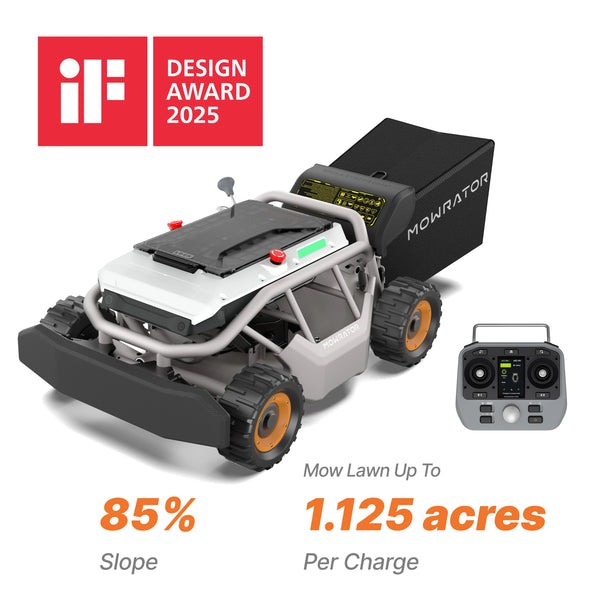
For decades, weekend lawn care meant wrestling with pull cords, inhaling exhaust fumes, and enduring the deafening roar of gas-powered mowers. The ritual of draining fuel lines, changing spark plugs, and storing volatile gasoline in the garage added layers of inconvenience and risk that most homeowners simply accepted as unavoidable. Today, electric lawn mowers have fundamentally rewritten that narrative, offering a cleaner, quieter, and remarkably safer approach to maintaining your outdoor spaces.
But what exactly makes these machines safe and user-friendly? For tech-savvy individuals looking to bring smart technology into every corner of their lives—including the backyard—the answer goes far beyond simply swapping a gas engine for a battery. Modern electric mowers incorporate sophisticated safety systems, ergonomic engineering, and intelligent connectivity features that transform lawn maintenance from a chore into a seamless experience. This article explores the key safety mechanisms, user-centric design elements, and advanced technologies that define today’s best electric mowers, culminating in practical steps to help you select the ideal machine for your needs.
The Rise of Electric Lawn Mowers: A Foundation of Safety and Convenience
The transition from gas-powered to electric lawn mowers represents more than a simple engine swap—it reflects a fundamental rethinking of how homeowners interact with their outdoor equipment. Gas mowers carry inherent risks: flammable fuel storage, carbon monoxide emissions, scalding engine components, and noise levels that can cause hearing damage over time. Electric mowers eliminate these hazards at the source, creating a baseline of safety that gas models simply cannot match.
Beyond the absence of combustion-related dangers, electric mowers introduce operational simplicity that dramatically lowers the barrier to safe use. There’s no choke to adjust, no oil-to-fuel ratio to calculate, and no pull cord that can snap back unexpectedly. Starting an electric mower typically requires nothing more than pressing a button or engaging a safety key, reducing the physical strain and mechanical knowledge traditionally required. This simplicity means fewer opportunities for user error—one of the leading causes of mower-related injuries. For modern homeowners who expect their tools to be as intuitive as their smartphones, electric mowers deliver a foundation upon which manufacturers have built increasingly sophisticated safety systems and user-centric designs that we’ll explore in the sections ahead.
Core Safety Features that Define Modern Electric Lawn Mowers
What separates a truly safe electric mower from one that’s merely adequate comes down to the layers of protection engineered into every component. Modern electric mowers don’t rely on a single failsafe—they employ interconnected safety systems that anticipate hazards before they escalate. Understanding these features helps you evaluate which machines genuinely prioritize your well-being and which are cutting corners.
The Critical Role of the Emergency Stop Feature
The emergency stop feature is arguably the single most important safety mechanism on any electric lawn mower. When something goes wrong—a pet darts into your mowing path, you lose footing on a slope, or the blade encounters an unexpected obstacle—milliseconds matter. A well-designed emergency stop instantly cuts power to the blade motor, bringing spinning steel to a halt far faster than any manual shutdown could achieve. Most implementations take the form of a prominent button or a bail lever on the handle that must be continuously held during operation; releasing it triggers an immediate stop. This “dead man’s switch” design ensures that if the operator loses control for any reason, the mower defaults to its safest state. For families with children or pets, this feature isn’t a luxury—it’s a non-negotiable requirement that can mean the difference between a close call and a serious injury.
Additional Safeguards: From Design to Operation
Beyond the emergency stop, today’s electric mowers incorporate a suite of complementary protections. Blade brake systems work in tandem with the emergency stop, using electromagnetic resistance to halt the cutting disc within seconds rather than letting it coast to a gradual stop. Tip-over sensors detect when a mower tilts beyond a safe angle—common on uneven terrain—and automatically disengage the motor before the exposed blade becomes a hazard. Safety key systems require a physical or digital key to activate the mower, effectively functioning as a child lock that prevents unauthorized or accidental startup. Durable blade housings constructed from reinforced polymer or steel shield operators from debris ejection, while sealed battery compartments protect electrical components from moisture and impact. Together, these overlapping safeguards create a defense-in-depth approach where no single point of failure can compromise the operator’s safety.
Designing for the User: Key Elements of a User-Friendly Lawn Mower
Safety features protect you from harm, but user-friendly design determines whether you’ll actually enjoy using your mower—or dread every session. The best electric mowers recognize that accessibility and comfort aren’t afterthoughts; they’re central to the product’s value. When a mower feels effortless to operate, users are more likely to follow proper techniques, maintain consistent mowing schedules, and avoid the fatigue-driven mistakes that lead to accidents. For tech-savvy homeowners accustomed to intuitive interfaces and seamless device ecosystems, a mower should feel like a natural extension of their connected lifestyle rather than a relic from a previous era.
Ergonomics and Maneuverability for Effortless Lawn Care
Thoughtful ergonomic engineering transforms the physical experience of mowing. Adjustable-height handles accommodate operators of different statures, reducing back strain and wrist fatigue during extended sessions. Lightweight frames—often constructed from high-strength composites—make pushing and turning feel almost effortless, while large-diameter rear wheels with textured treads maintain traction on slopes and damp grass without requiring extra force. Foldable handles and compact profiles allow the mower to slip into tight storage spaces, a meaningful advantage for homeowners with limited garage or shed room. Push-button or single-lever start systems eliminate the jarring physicality of pull cords, making the mower accessible to older adults and those with limited upper-body strength. Even seemingly small details, like cushioned grips that dampen vibration and intuitive height-adjustment levers positioned within easy reach, accumulate into a mowing experience that feels genuinely comfortable from the first minute to the last.
Embracing Smart Technology: The Remote Lawn Mower Advantage
Where electric mowers truly distinguish themselves for technology enthusiasts is in their integration with smart platforms. Remote-controlled and app-connected mowers let you operate the machine from a distance—ideal for navigating tricky terrain, mowing in hot weather without standing behind the unit, or managing your lawn while multitasking. Dedicated smartphone applications allow you to set programmable mowing schedules so the lawn is trimmed on a consistent cycle without manual intervention. Boundary-setting features, whether through GPS mapping or physical guide wires, ensure the mower stays within designated zones and avoids flower beds, driveways, or play areas. Some models push connectivity further by sending real-time status alerts, battery level notifications, and maintenance reminders directly to your phone. This level of control and visibility appeals to users who manage their homes through integrated ecosystems—think smart thermostats, robotic vacuums, and connected irrigation systems. A remote lawn mower slots naturally into that framework, turning yard maintenance into one more seamlessly automated task rather than a weekend interruption.
Integrating Advanced Technology: A Deep Dive into the MOWRATOR S1
The MOWRATOR S1 serves as a compelling example of how modern electric mowers can bring safety and smart functionality together in a single package. Designed with tech-savvy homeowners in mind, the S1 operates as a remote lawn mower that can be controlled entirely from a handheld remote or smartphone app, allowing users to guide it across their yard without walking behind the machine. This remote operation capability isn’t just a convenience feature—it fundamentally enhances safety by keeping the operator at a comfortable distance from the spinning blade at all times.
The S1’s emergency stop system is built into both the remote controller and the app interface, ensuring that power to the blade can be cut instantly regardless of how the mower is being operated. Its compact, tank-track design provides stable traction on slopes and uneven ground, reducing the tip-over risks that plague traditional wheeled mowers on challenging terrain. For users who already manage their homes through connected devices, the MOWRATOR S1 fits seamlessly into that ecosystem—offering scheduled mowing, real-time status monitoring, and boundary control through an intuitive digital interface. Rather than treating safety and smart technology as separate selling points, the S1 demonstrates that the two are most powerful when engineered as a unified system, giving homeowners precise control over their lawn care while minimizing every common mowing hazard.
Practical Steps to Select Your Ideal Safe and User-Friendly Electric Lawn Mower
Choosing the right electric mower starts with a clear-eyed assessment of your property. Walk your yard and note its total square footage, slope gradients, and any obstacles like tree roots, garden beds, or narrow passages between structures. These physical characteristics will determine whether you need a compact, highly maneuverable unit or a wider-deck model built for open expanses. Next, make safety your primary filter—any mower on your shortlist should feature a responsive emergency stop mechanism, whether through a bail lever, remote button, or app control. Blade brake systems and tip-over sensors should be standard, not optional upgrades. From there, evaluate user-friendly attributes that match your lifestyle: consider the mower’s weight if you’ll be pushing it manually, check published noise ratings if you mow early mornings near neighbors, and confirm smart control compatibility if you want app-based scheduling and boundary mapping integrated into your connected home ecosystem. Use a model like the MOWRATOR S1 as your benchmark—its combination of remote operation, robust emergency stop across multiple interfaces, and terrain-capable track design represents the standard that serious contenders should meet or exceed. Finally, invest time reading verified user reviews that speak to long-term reliability and real-world performance on terrain similar to yours, and confirm that the manufacturer offers responsive warranty support. Following these steps systematically ensures you land on a mower that genuinely fits your yard, your safety expectations, and your appetite for smart technology.
Safe, Smart, and Built for Modern Lawn Care
Electric lawn mowers have earned their place in modern outdoor maintenance by addressing the two concerns that matter most to homeowners: safety and ease of use. From emergency stop mechanisms that halt spinning blades in milliseconds to tip-over sensors, blade brake systems, and safety key locks, these machines layer multiple protections so that no single failure can put you or your family at risk. On the usability side, ergonomic handles, lightweight composite frames, push-button starts, and low noise output make the physical act of mowing more comfortable and accessible than it has ever been.
For tech-savvy users, the integration of smart technology elevates electric mowers from simple yard tools to connected home devices. Remote operation, app-based scheduling, GPS boundary mapping, and real-time status alerts transform lawn care into an automated routine rather than a manual obligation. Models like the MOWRATOR S1 demonstrate what becomes possible when safety engineering and intelligent connectivity are designed as a unified system—delivering precise control, terrain adaptability, and instant emergency response across every interface. As you begin your search, revisit the practical selection steps outlined above: assess your terrain, insist on robust safety features, match smart capabilities to your connected lifestyle, and lean on real-world reviews to validate your choice. The right electric mower won’t just cut your grass—it will do so safely, quietly, and on your terms.