Khizar Seo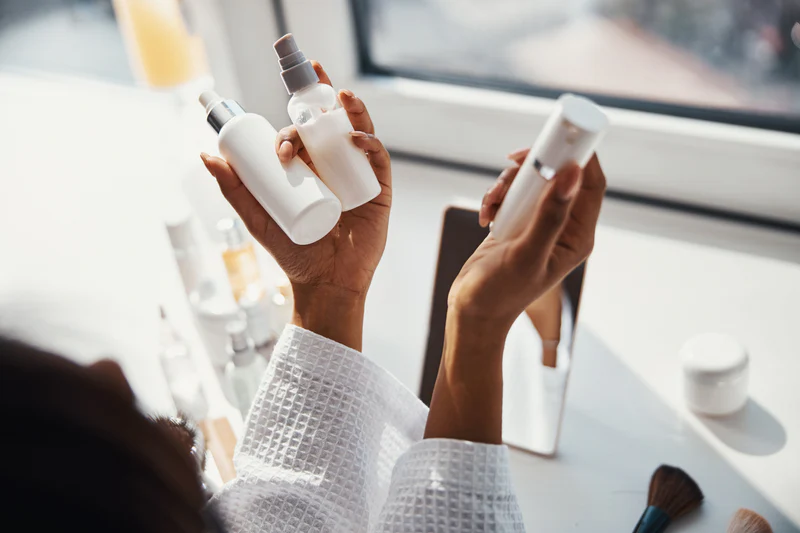
The moisturizer aisle is one of the more crowded categories in skincare, and one of the most affected by marketing language that obscures what is actually in the bottle. Words like revitalizing, restorative, renewing, and rejuvenating appear across price points and product types without meaningful definition, leaving consumers to evaluate products primarily on packaging and brand. For consumers who want their skincare investment to deliver visible, consistent benefit, the practical question is how to read past the front of the package and assess what a revitalizing moisturizer actually contains. The fundamentals of label literacy apply across price points, and a few minutes of attention to the ingredient panel often distinguishes a substantive formulation from a marketing-driven one.
Understanding the Three Functional Layers of a Moisturizer
Effective moisturizer formulations are built around three categories of ingredients that work together. Humectants draw water into the skin’s outer layer and include glycerin, hyaluronic acid, sodium hyaluronate, urea, and panthenol. Emollients soften and smooth skin texture and include ingredients such as squalane, jojoba ester, shea butter, and various plant-derived oils. Occlusives form a light film on the skin surface that helps reduce water loss and includes ingredients such as dimethicone, beeswax, and certain plant butters and waxes.
A balanced moisturizer contains ingredients from each functional layer, formulated in proportions appropriate to the skin type the product targets. Lighter formulations skew toward humectants and lightweight emollients with minimal occlusive content, suiting normal to combination skin and warmer climates. Richer formulations carry more substantial emollient and occlusive content, suiting drier skin types and cooler seasons.
The Position of Ingredients on the Label
Ingredient lists are required by both U.S. and Canadian regulations to list components in descending order by concentration down to the one percent threshold, after which they may appear in any order. The first five to seven ingredients on a moisturizer label typically represent the bulk of the product. A formulation that places water, glycerin, a meaningful emollient, and a complementary humectant near the top has a different profile than one that fills the top of the list with thickeners, fillers, and water-binding agents that contribute volume but limited skin benefit.
The position of marketing-headline ingredients also matters. A moisturizer that highlights a botanical extract or peptide on the front of the package but lists that ingredient near the end of the ingredient panel contains it at trace levels. Products that place such ingredients meaningfully high in the list deliver them at concentrations more likely to contribute to the formulation’s intended cosmetic effect.
Active Ingredients to Recognize
Beyond the foundational humectants, emollients, and occlusives, several ingredient categories are commonly featured in revitalizing moisturizer formulations and worth recognizing on a label.
Niacinamide, often listed at concentrations between two and five percent, contributes to the appearance of evenness, smoothness, and reduced visible redness when used consistently. Peptides, including various signal peptides and copper-bound peptides, are formulated to support the appearance of firmer-looking skin texture. Antioxidant ingredients, including vitamin E (tocopherol), vitamin C in stable forms, and various plant-derived polyphenols, contribute to the appearance of healthy skin and help maintain the stability of the formulation itself.
Botanical extracts, including those derived from green tea, centella asiatica, chamomile, and others, often appear in revitalizing formulations. The cosmetic value of these ingredients depends on concentration, extraction method, and the surrounding formulation, all of which vary considerably across products.
What to Be Cautious About
Several label patterns suggest a marketing-driven rather than substantive formulation. Proprietary blends that bundle multiple ingredients under a branded name without disclosing individual concentrations make evaluation difficult. Ingredient lists that highlight a featured ingredient on the front of the package but place it after the one percent line indicate trace levels at best. Heavily fragranced formulations may suit the user’s preference but introduce common sensitization triggers, particularly for skin prone to reactivity.
Be cautious of products that promise outcomes more typical of regulated drug claims (treating, healing, reversing) under cosmetic labeling, since those claims either misrepresent the regulatory category or oversell the formulation’s actual function.
Matching the Product to Skin and Routine
A revitalizing moisturizer should be selected against the user’s actual skin type, routine, and seasonal context. Consistency of use is the variable that most consistently determines visible results, ahead of any single ingredient or marketing claim. A formulation the user enjoys using twice daily will outperform a more sophisticated product used inconsistently.
Effective skincare is the product of formulation discipline, transparent labeling, and consistent use rather than dramatic packaging language. For consumers who appreciate well-formulated products, transparent ingredient sourcing, and skincare that holds up under careful label scrutiny, Essance Skincare develops moisturizers and complementary products built around the kind of formulation principles that make a daily routine genuinely worth maintaining.