World rankers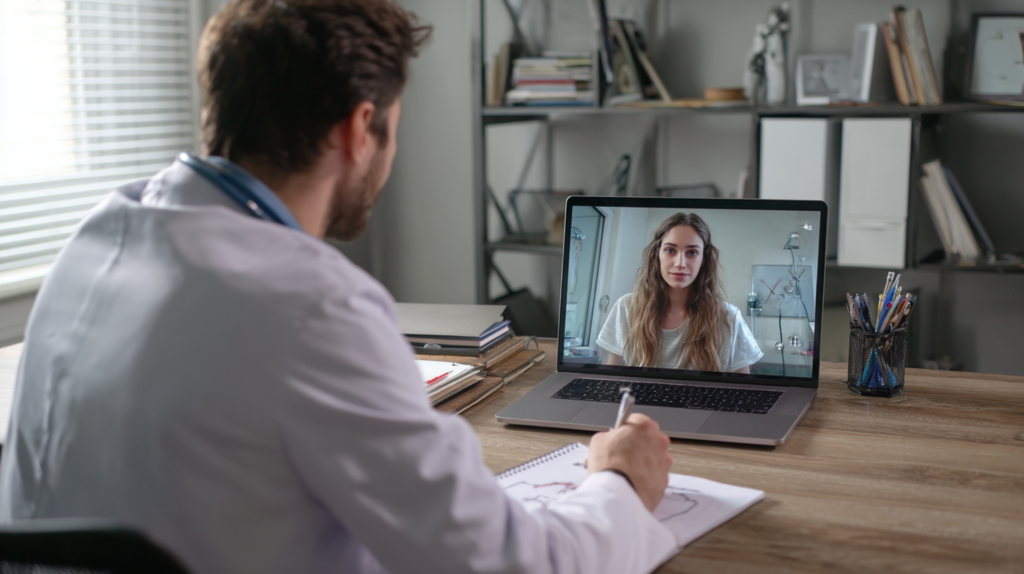
During the pandemic, individuals realized for the first time that their health care could be delivered through telemedicine. This delivery via video allowed patients to see their doctors from home for most conditions, receiving the same high quality care as if they were to go to an office, without the hassle of waiting rooms and delayed scheduling. Even more, for the first time they found that most insurance plans covered this benefit, sometimes at an even lower copayment cost. This became the “new normal” of medical delivery, especially in specialties where an in person exam was not needed, such as psychiatry. The telepsychiatry industry took off during the social distancing era and a new company seemed to be in place every week.
Many medical facilities, whether traditional hospitals or less traditional settings such as jail intakes, were caught off guard. They weren’t ready for these changes because they weren’t technology centers, and found issues requiring third party partners without evaluating these new staffing partners. Pandemic practices were more than just medical appointment changes, and often they’d have many operational challenges to deal with at once. This difficulty led to staffing companies that weren’t always researched, the purchase of proprietary hardware or medical records, and experiences that may have soured them on the concept of telemedicine entirely.
Now, approximately 6 years from the start of the pandemic, many of these new companies have failed, leaving facilities with proprietary equipment and poor staffing; new companies often did not account for changes in the market or look at long term models. At the same time patients had gotten used to the idea of minimizing in person visits, often combining video with an in person visit or doing visits entirely over video. This mismatch in expectations is even greater in psychiatry, as the increasing demand for services has taken place at the same time as removal of telepsychiatry; now many patients have gone from having dozens of options to having to wait dozens of weeks to see whomever is available. This decrease in patient satisfaction and decrease in provider availability has led to a disaster with no end in sight; this is harmful specifically to lower income patients who can’t afford the mental health providers that don’t take insurance, thus having long waiting lists or in many cases don’t take new patients. Only telemedicine meets the new expectations of patients.
Current State of Telepsychiatry
FasPsych, the Arizona based leading telepsychiatry company, has been providing telemedicine services to various medical facilities as well as non traditional facilities such as schools and jails since 2007. Their business model works directly with medical providers or other appropriate staff to arrange visits with patients, providing a coordinated effort to ensure fast availability and coordinated care. They don’t contract with patients, they only work with facilities, which can range from colleges to jails to substance use disorder treatment centers, in addition to federally qualified health centers and community mental health centers. This has been their model since 2007 and never changed during the pandemic. Their goal has been stability, with patients seeing the same provider, and satisfaction among patients and facility staff, allowing facilities to screen and interview providers before enabling the site for telemedicine. A patient can come in for a typical visit or review with a case manager or general practitioner and see a psychiatrist over video on the same meeting – no need for multiple visits and no extended wait time. Studies have shown similar efficacy as in person visits, and since the pool of available providers isn’t limited by location it’s often faster to refer someone, as well as allowing the use of fractional hiring. The service is by contract only, and since it is telemedicine can cover multiple sites for a different number of hours per week or month, all without the overhead that a typical hire would require.
FasPsych’s significant experience in all populations and settings as well as political climates made them a stable provider before, during, after the pandemic. Many companies that started during the pandemic haven’t been prepared for the change in reimbursements, and many companies founded after the pandemic have found thin profit margins can decrease time spent on patient care. A lack of experience in the various funding for telemedicine can significantly impact the ability for a company to run a sustainable operation. Whether the payor is Medicaid, Medicare, Grants, or Private Insurance and whether the location is a college counseling office or an emergency room, FasPsych had experience in them all. They’ve lasted through changes in Medicaid funding, telepsychiatry regulations, and the technology landscape. This unique position for telepsychiatry services meant that both before, during, and after the pandemic they were able to continue to offer high quality services through psychiatrists, psychiatric nurse practitioners, psychologists, therapists, and other mental health professionals.
A unique ability of having these providers available over video expands into jail and emergency room populations – when a consult is needed a psychiatrist or other mental health professional can be available right away for on demand services. This services is not unique to any single telepsychiatry vendor, but it’s important to look at the history of vendors as well as what locations they currently provide services for; a large 24 hour network improves over directly bringing in a single provider. These advantages in inpatient, outpatient, and non-traditional settings mean that telepsychiatry shows that it is the future of medicine, making the fastest steps forward with the increase in telemedicine.
Telepsychiatry Moving Forward
Today, their range of telepsychiatry staffing continues to expand while other companies find that post pandemic they lack of a sustainable model. FasPsych has offered bilingual services in multiple languages and offers specialists in all fields including substance use disorder, geriatric psychiatry, adolescent psychiatry, and integrated medicine. Their continued dedication to meeting customer needs and innovative services lets them uniquely customize solutions, often working directly within client health records for treatment continuity. They can provide service on a temporary locum tenens basis or become a long term partner, with the same providers being seen by patients long term. Their white glove service ensures that no changes are felt by patients, and their care coordination continues with your on site staff as a direct hire would. FasPsych works with medical facilities, not contracting with patients, thus assuring a continued focus on delivering the best service in the industry.
Media Info:
Contact: Michael Boyle
Company: FasPsych LLC
Email: Info@faspsych.com
Phone (480) 970-9097
Author Bio: Michael Boyle has been in the telemedicine industry for 16 years. He is currently the IT Director for FasPsych LLC, the leading telepsychiatry staffing company. He has been involved in the development and rollout of over 300 sites for telepsychiatry, and has experience in all environments where telemedicine can be used. His expertise in technology allows him to overcome any barriers as well as familiarity with various health records and assistance in billing and process with implementation of telepsychiatry.