Khizar Seo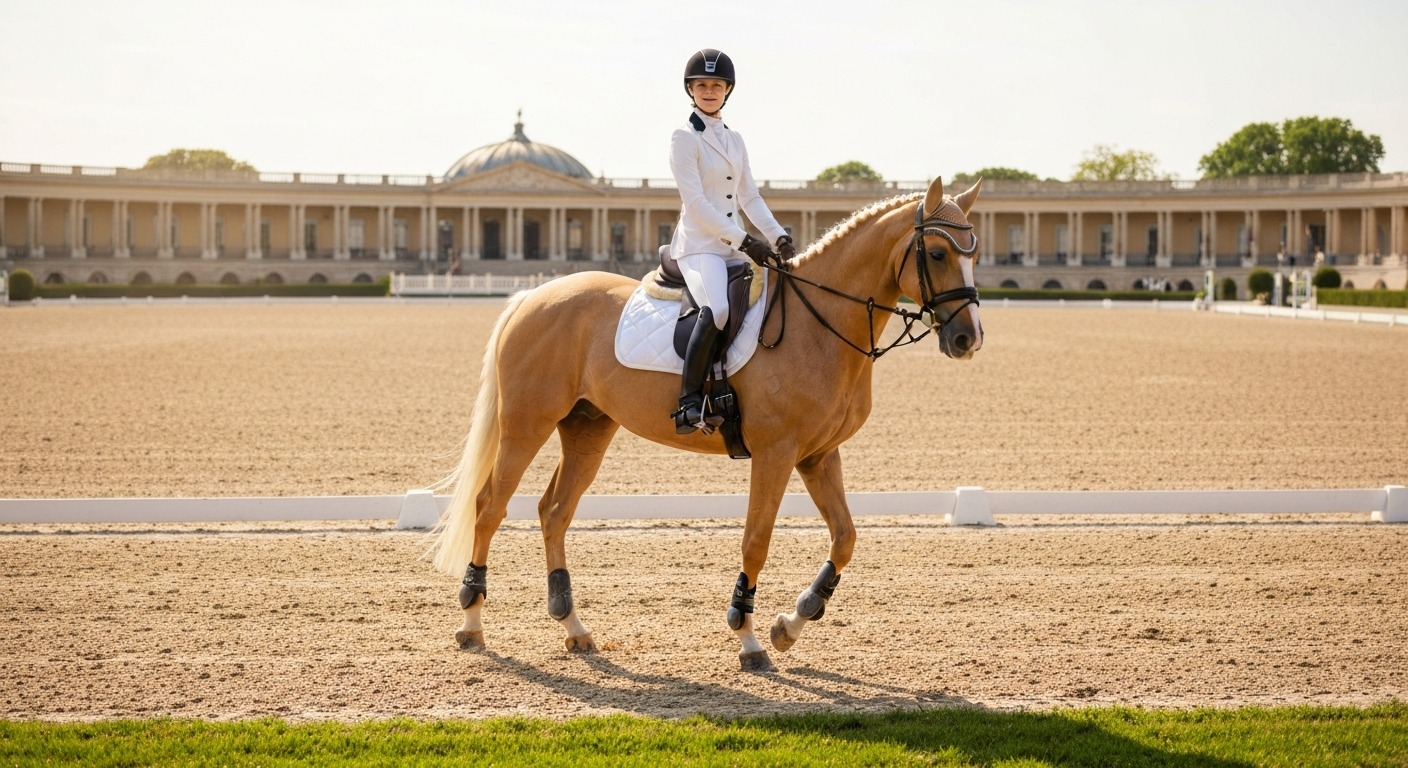
Key Highlights
Here’s a quick look at what makes tall boots, one of the essential types of riding boots, a staple for riders:
- Tall boots are a requirement in many formal equestrian events, upholding tradition and competition rules.
- They provide crucial leg support and protection during horse riding.
- These horse riding boots enhance communication with your horse through closer contact.
- There are two main styles for English riding: elegant dress boots and flexible field boots.
- Wearing tall riding boots creates a polished, professional, and classic silhouette in the show ring.
Introduction
In formal horse riding, every detail of your attire matters. Tall riding boots are essential—they reflect tradition and professionalism while providing necessary support and safety in the saddle.
The Role of Tall Boots in Formal Equestrian Events
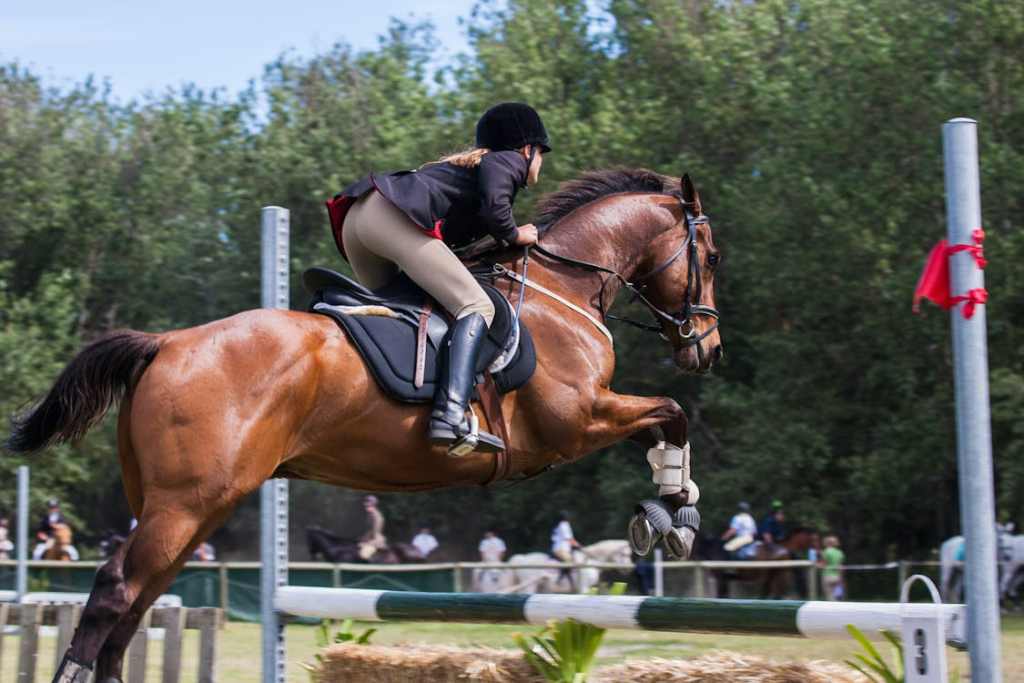
Tall boots are essential in formal equestrian events for tradition, safety, and maintaining a professional look that highlights a rider’s long leg for performance. Disciplines like dressage and hunter classes often require them to honor the sport’s heritage.
Beyond rules, tall boots support your lower leg, helping you give clearer cues to your horse for better communication and control.
History and Tradition Behind Tall Boots in Equestrian Competitions
Tall boots in equestrian sports originated with cavalry officers, who wore them for protection and status. This military tradition evolved into civilian English riding, making tall boots a symbol of horsemanship and heritage, featuring an upward curve at the top. Today, formal events often require tall boots to honor tradition and maintain a classic look. Wearing them connects riders to the sport’s history—not just its rules.
Symbolism and Professional Image for Riders
Your show ring appearance makes an instant impact. Well-fitted tall riding boots are essential for a sharp, professional look, creating a long, clean line from heel to hip for a secure fit and elegant posture.
This streamlined silhouette is key to formal presentation, demonstrating attention to detail and respect for the sport, as it enhances the shape of the rider. Entering the ring polished projects confidence and competence.
Key benefits:
- Elongates the leg: Creates a graceful, attractive look.
- Creates a clean silhouette: Tall boots avoid the visual breaks of short boots or half chaps.
- Shows professionalism: A neat appearance signals discipline and commitment.
Understanding the Different Types of Tall Boots
Not all tall riding boots are the same; your discipline guides the best choice. Dress boots and field boots are the main types, each suited to different equestrian activities.
Understanding their differences helps you choose the right boot and ride confidently. Next, we’ll compare dress boots and field boots.
Dress Boots vs. Field Boots: Key Differences
Dress boots and field boots differ in ankle design and purpose. Dress boots are sleek, stiff, and laceless, giving a formal look and stability for dressage and formal hunter classes.
Field boots have laces at the ankle for added flexibility, making them ideal for show jumpers and eventers who need more freedom of movement when shortening their stirrups. This flexibility also improves comfort for everyday riding. Choosing the right boot ensures both comfort and discipline requirements are met.
Quick comparison:
| Feature | Dress Boots | Field Boots |
| Ankle | No laces; stiff front | Sleek, highly formal and made of soft leather |
| Use | Dressage, formal hunter classes | Show jumping, eventing, hunting |
| Look | Sleek, highly formal | Sportier, less formal |
| Flexibility | Rigid | Flexible for jumping positions |
Other Common Styles for Formal Events
Beyond classic black field and dress boots, specialized styles exist for different disciplines. Dressage boots are stiffer, with a higher Spanish topline to reduce leg movement, providing maximum contact with the horse’s sides.
While black is standard at formal events, some classes permit other colors. Rich brown leather tall boots, popular in the hunter ring, offer a traditional yet distinctive look with equal functionality.
Modern materials add more options:
- Synthetic boots: Affordable, low-maintenance—ideal for beginners or growing riders.
- High Spanish topline: Creates a longer leg appearance for added elegance.
- Custom and semi-custom boots: Offer personalized fit and maximum comfort.
Key Differences Between Tall Boots and Short Boots
The key difference between tall and short boots is their height, which affects function and suitability. Tall riding boots reach the knee, providing full lower leg support and protection—ideal for a new pair of formal competitions.
Short boots, such as paddock or jodhpur styles, cover just the ankle. They’re comfortable and practical for everyday riding or barn work but lack the formal appearance and complete protection required in most show rings, especially for riders who need to maintain a flat foot.
Functional Variations in Competition Settings
In competition, tall boots provide superior support and protection. Their height and structure stabilize your lower leg for precise aids and better communication with your horse, while shielding against pinching, chafing, and impacts caused by stirrup leathers. As they break in, they mold to your leg for added confidence.
Short boots with half chaps lack this stability and protection; seams can shift or bunch, and the fit is less secure—especially in hot weather. For show ring standards, tall boots offer unmatched seamless support.
Appearance and Suitability for Formal Occasions
For formal English riding events, appearance matters. Tall boots are essential, creating a polished, uninterrupted line from breeches to jacket—exactly what judges expect.
Short boots are generally considered schooling attire and aren’t suitable for formal competition. While young beginners may wear them in some classes, advancing riders are expected to switch to tall boots.
Tall boots are preferred because they:
- Create a seamless silhouette: Elongate the leg for an elegant look.
- Honor tradition: Reflect classic equestrian standards.
- Meet competition requirements: Most disciplines require tall boots for proper presentation.
Essential Features of Tall Boots for Formal Riding
When selecting tall riding boots, prioritize style, durability, support, and comfort. High-quality leather is popular, but construction and design are equally important.
Choose boots that fit comfortably and offer support without restricting movement. Consider key factors like materials, construction, and design when making your choice.
Materials, Construction, and Durability
The material of your boots impacts their comfort, performance, and durability. Full-grain leather is a classic option—durable and form-fitting. Many boots pair soft inner leather with synthetic materials for close contact with sturdy outer leather for support.
High-quality synthetics are now popular. They require less break-in time, are easy to clean, cost less, and suit riders who want low-maintenance, professional-looking boots.
Regardless of material, quality construction is key. Look for reinforced stitching, strong zippers, and secure soles. With regular cleaning and conditioning, well-made boots can last through many competition seasons.
Design Elements for Comfort and Support
Modern tall boots are designed for rider comfort and performance. Their contoured fit hugs your leg for a sleek look and prevents slipping or bunching, ensuring a secure ride.
Strong ankle support stabilizes the heel and lower leg, reducing fatigue and promoting proper stirrup position—without restricting movement. The best boots balance support with flexibility.
Key comfort and support features:
- Full-length zippers: Easy on and off
- Elastic stretch panels: Customized fit
- Cushioned footbeds: Shock absorption for all-day comfort
Selecting the Right Fit: Sizing and Adjustments for Tall Boots
The key to choosing new tall boots is finding the right fit. Loose boots can slip and affect your leg aids, while tight boots cause discomfort and restrict circulation. Since boots vary in calf width and height, accurate measurements are essential.
Use the manufacturer’s boot size charts to match your foot size, calf width, and boot height. Remember, new leather boots will stretch and drop slightly as they break in, so start with a snug but comfortable fit.
Measuring for an Optimal Fit
To ensure a proper fit, measure your lower leg while wearing your usual breeches and socks. Each rider’s leg is unique, so personal measurements matter.
For calves, wrap a flexible tape around the widest part. For boot height, sit with knees at 90 degrees and measure from the floor to behind your knee; add 1–1.5 inches for break-in drop. Always use the brand’s size chart.
Measuring guide:
| Measurement | How to Measure | Tip |
| Calf Width | Wrap tape around widest calf point while seated. | Keep tape snug, not tight. |
| Boot Height | Measure floor to behind knee with knees bent to ensure the boot is the right height. | Add 1–1.5″ for break-in drop. |
| Foot Size | Use your regular shoe size as a guide. | Consider thicker socks if needed. |
Tips for Breaking In and Maintaining Your Boots
Breaking in tall boots, or even paddock boots, can be tough, but these tips help. Wear them at home for short periods to soften the leather and mold them to your legs. Heel lifts can prevent knee rubbing as the boots settle.
When riding, check for spots that rub or pinch—boot stretch spray can ease tight areas. Consistent wear helps your boots become comfortable faster, so don’t save them just for shows.
Clean and condition regularly: Use products made for new riding boots to keep leather soft.
- Wipe down after every ride: Remove sweat and dirt to protect the leather.
- Clean and condition regularly: Use products made for riding boots to keep leather soft.
- Use boot trees: They maintain shape and prevent collapsed ankles.
Conclusion
Tall boots in equestrian events are more than stylish—they represent tradition and elevate a rider’s image, enhancing your overall riding experience. The right boots offer durability, comfort, and style for top performance. Knowing the styles and fits is key for formal occasions. Whether competing or watching, tall boots enhance your look and performance. For personalized guidance, contact our experts—your best ride starts here!