IQnewswire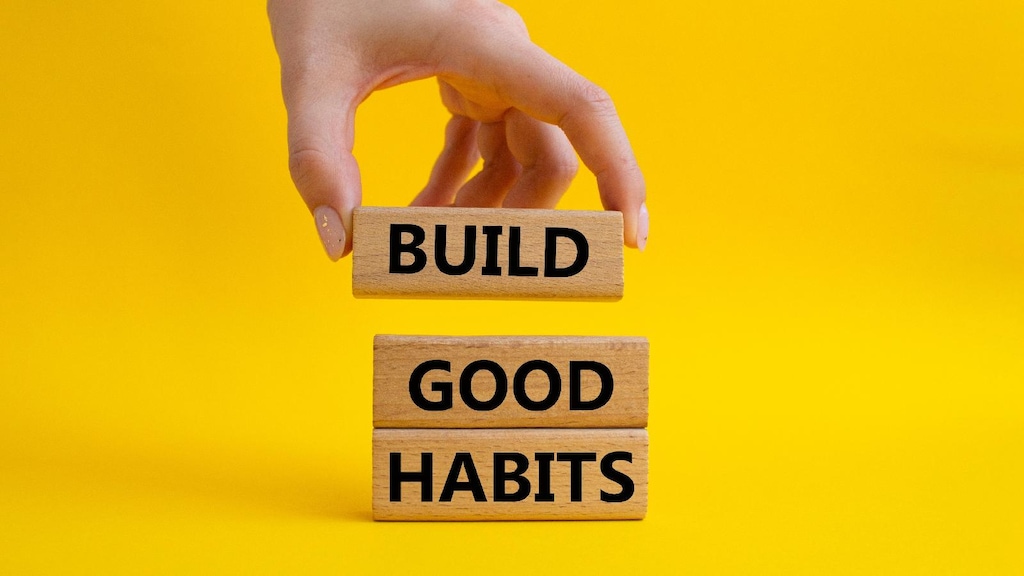
We’ve all felt the pull of the 30-day challenge. It promises a clear path to a new you: a fitter body, a cleaner diet, a calmer mind – all in one neat month. There’s momentum in the start and pride in the daily checkmark. But what about Day 31?
Too often, that’s when the structure falls apart. The strict rules that felt empowering begin to feel restrictive. Real life – with its work deadlines, family needs, and simple desire for spontaneity – gets in the way. The all-or-nothing approach meets the messy reality of being human, leaving us feeling deflated. What if the problem isn’t us, but the approach? What if, instead of a short-term project, wellness was something we built into our daily routines for good?
This is about a gentler, more sustainable philosophy. Think of it as building a foundation of health by adding small, positive habits to your existing life, one at a time.
Why the “Challenge” Mindset Often Fails
There’s a psychological reason extreme challenges often lead to a rebound. Rigid “yes” and “no” lists can create a “forbidden fruit” effect, making off-limit items more desirable. This sets up a cycle of deprivation and overindulgence that feels less like progress and more like a struggle.
Furthermore, these challenges demand a perfect environment that doesn’t exist. They clash with our social lives, work stresses, and need for flexibility. When we inevitably break a rule, the whole endeavour can feel like a failure. For many, breaking free from this cycle is the first step. This is where shifting perspective is key, and for some, guidance from a skilled online weight loss coach who focuses on sustainable habits over short-term sprints can make all the difference.
Identifying Small, Positive Habits
This method asks us to shift from big, daunting goals to small, manageable practices – your building blocks for health. Forget “lose 20 pounds” and think “add one vegetable to my lunch.” Swap “exercise for an hour daily” for “take a 10-minute walk after dinner.”
These habits should feel doable and even enjoyable, not like a chore.
- A Nutrition Habit: “I will eat breakfast every day,” or “I’ll drink a glass of water when I wake up.”
- A Movement Habit: “I’ll use the stairs instead of the lift for short trips,” or “I’ll stretch for five minutes before bed.”
- A Mindset Habit: “I will write down three things I’m grateful for each evening,” or “I’ll put my phone away during meals.”
The goal is consistency, not perfection. The beauty of a small habit is that if you miss a day, you can simply start again the next day without everything falling apart.
Making Habits Stick
The real work is in making these habits a normal part of your life.
- Start with Your Morning: Your first 15 minutes can set a positive tone. Could it be making your bed, or enjoying your coffee without looking at your phone? This is about starting the day with intention, not adding another task.
- Integrate into Your Workday: Desk hours are a great opportunity. Set a reminder to stand up and move every hour, or prepare a healthy snack to avoid the vending machine. These are small actions that support your energy all day.
- Involve Your Social Life: Gatherings become easier when you focus on connection. A simple habit might be: “I will fill half my plate with vegetables first,” allowing you to enjoy the occasion without stress.
This philosophy of small, integrated changes is strongly supported by modern weight loss experts who know that lasting results come from adaptable daily routines, not short-term restriction.
Building a Lasting Foundation for Health
Wellness built on daily habits is wellness that lasts. This approach creates a resilient, flexible foundation. A busy or stressful week might mean some habits are simpler, but your overall commitment to health remains strong because it’s built into your lifestyle.
You are in charge of building this foundation. The journey becomes one of practical self-discovery and steady progress. It moves you from a cycle of starting and stopping to a continuous process of improvement.
So, let go of the pressure for a quick fix. Look at your day and ask: what one small, positive habit can I add today? True well-being isn’t found in the dramatic finish of a challenge; it’s built quietly through the practical, caring choices you make day after day.