2Q-Solution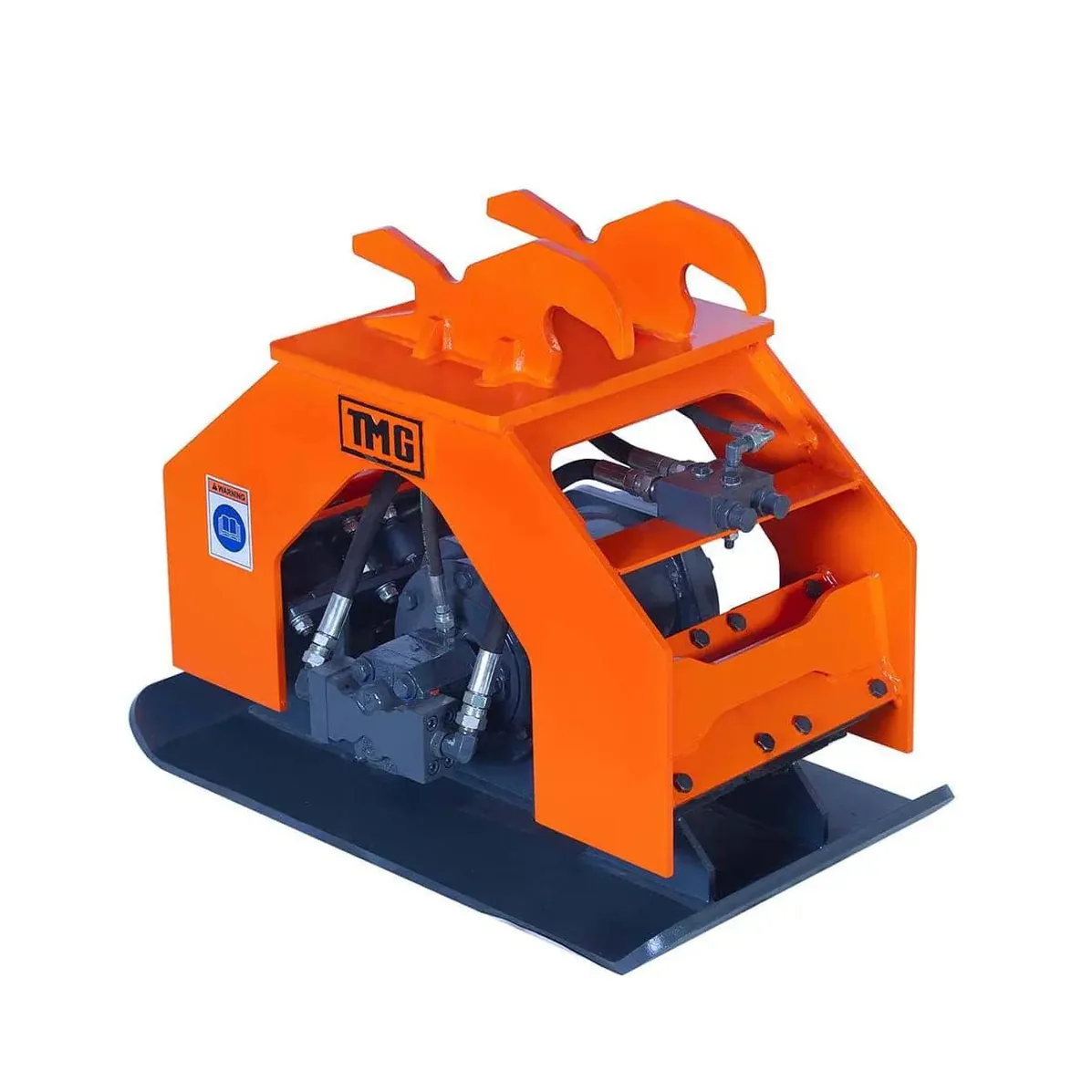
1. Introduction: The Importance of Targeted Compaction in Confined Areas
In Australian industrial, construction, and municipal maintenance projects, achieving proper soil and material compaction in confined or difficult-to-access areas is a persistent challenge. Trench backfilling, repairs around existing foundations, and work in tight urban spaces require precision that large, self-propelled compactors cannot provide. A 40 kN hydraulic plate compactor attached to a mini excavator offers a specialized solution. This system combines the reach and stability of an excavator with a dedicated compaction tool, enabling efficient, high-impact compaction exactly where it is needed.
2. Technical Overview: Attachment Design and Hydraulic Operation
This hydraulic plate compactor is a front-mounted attachment that replaces the standard bucket on a 2-4 ton mini excavator. It connects to the excavator’s auxiliary hydraulic system. The 40 kN (kilonewton) rating quantifies its impact force, suitable for cohesive soils and granular materials. An internal eccentric weight, driven by hydraulic flow from the host machine, generates rapid, powerful vibrations transmitted through a heavy steel plate. The design typically includes a quick-change lugging system for efficient attachment swapping, maximizing machine utilization on diverse tasks.
3. Operational Priorities: Safety, Precision, and Efficiency
Integrating this specialized tool addresses several key site management objectives:
- Enhanced Operator Safety: Allows compaction on slopes and in trenches while the excavator remains on stable ground, significantly reducing rollover risk compared to operating on unstable surfaces.
- Targeted Compaction Precision: Enables precise application of compaction force directly against foundations, in deep trenches, or around underground services where access is limited.
- Improved Workflow Integration: The same machine can perform digging, material handling, and compaction, creating a continuous workflow without remobilizing different equipment.
- Quality Assurance: Delivers consistent, high-energy impacts to achieve specified material density, preventing future settlement and infrastructure failure.
4. Technical and Compatibility ConsiderationsMachine Compatibility and Hydraulic Requirements
The compactor must match the auxiliary hydraulic flow and pressure output of the specific mini excavator model (2-4 ton class). An undersized hydraulic system will fail to activate the compactor effectively.
Force Application and Job Suitability
The 40 kN force and plate size determine its optimal use for trench backfill, sub-base layers, and asphalt patches, as opposed to heavy clay or large open areas better suited to larger rollers.
Job Site and Material Assessment
Effective use requires understanding the material type (sand, gravel, crushed rock) and the required lift thickness to meet engineering compaction specifications.
5. Factors Influencing Performance and Results
Successful compaction outcomes depend on managing several variables:
- Correct excavator hydraulic settings and stable machine positioning.
- Material type and optimal moisture content for compaction.
- Proper lift thickness and number of passes over the same area.
- Regular maintenance of the compactor’s hydraulic connections and mounting hardware.
6. Safety Protocols and Operational Best PracticesPre-Operation and Setup
Ensure the excavator is on stable, level ground. Verify the quick-attach mechanism is fully engaged and locked. Check hydraulic hoses for leaks or damage before connecting.
Safe Operating Procedures
Keep the compactor plate flat during operation. Maintain a safe distance from trench edges. Never position the excavator where the compactor’s force could destabilize the ground under its tracks. Keep all personnel clear of the operating area.
Personal Protective Equipment
Operators and nearby workers must wear appropriate hearing protection due to noise and standard site PPE including high-visibility clothing, safety boots, and gloves.
7. Associated Equipment and System Integration
The primary requirement is a compatible 2-4 ton mini excavator with a standard quick-attach system and auxiliary hydraulics. The compactor is integrated into a broader task sequence that may include excavator buckets for digging and backfilling, and potentially testing equipment to verify achieved density.
8. Advantages and Practical LimitationsPrimary Advantages
- Superior safety and capability for compaction on slopes, in trenches, and confined spaces.
- Eliminates manual labor and fatigue associated with walk-behind compactors in difficult terrain.
- Increases versatility and return on investment of the base excavator asset.
- Provides excellent compaction force and control for precision work.
Key Limitations
- Requires a compatible mini excavator as a dedicated power source.
- Not a self-propelled unit; coverage speed on large, open areas is limited by excavator movement.
- Plate width may be less than that of dedicated ride-on compactors, affecting productivity on big, flat surfaces.
9. Practical Application: Urban Utility Upgrade Project
A civil contractor in Melbourne used a 3-ton mini excavator fitted with a 40 kN plate compactor for a suburban water main replacement. The excavator dug the trench, laid the pipe, and backfilled with selected granular material. The attached compactor then compacted each lift of backfill in the narrow trench. This integrated approach minimized lane closure time, ensured stable compaction around the new pipe to prevent future sinking, and eliminated the need to bring a separate trench roller into the congested urban site, improving overall project efficiency and safety.
10. Conclusion: A Strategic Attachment for Modern Site Work
The hydraulic plate compactor exemplifies the trend toward versatile, attachment-based equipment systems that enhance safety and capability. For Australian operations involving trench work, repairs, and confined space projects, it is a strategic tool that addresses a specific high-risk task with an engineered solution. Investing in such specialized attachments transforms a standard excavator into a multi-functional tool, supporting a more efficient, safer, and higher-quality approach to essential compaction work. This aligns with the industry’s move toward equipment solutions that maximize on-site flexibility while meeting rigorous safety and engineering standards.