Color, Contrast, and Conversion: The Psychology of Sign Design

January 4, 2026
1 min read
color

Color, contrast, and conversion are more connected than most people think. A sign isn’t just a piece of branding, but it is one of the largest marketing tools you could have. The right visual choices can catch the eye and attract attention, whether that’s pulling into your parking lot or walking into your doors.  

Why Color Matters 

Color is often the first thing people notice. Color is known to influence emotions and brand perception. Warm colors like red and orange tend to create excitement and urgency, making them great for limited-time offers or calls to action. Cooler colors like blue and green communicate trust, and calm which can be ideal for professional services, healthcare, and financial institutions.

For a local business, consistent use of brand colors across building signs, window graphics, vehicle wraps, and interior signage helps build recognition. When someone sees the same color palette repeatedly on the road, at your storefront, and online, your brand becomes easier to remember.

The power of contrast

In the real world, you don’t get someone’s full attention for long. Drivers may only have a second or two to read your sign. That’s where contrast becomes critical.

High contrast improves legibility from a distance. Good contrast helps your message stand out against busy surroundings, weather changes, and different times of day. Poor contrast forces people to work harder to read your sign, and most simply won’t.

Effective sign design uses contrast not just for readability, but for hierarchy. The most important information should have the strongest visual weight. Supporting details can be smaller or less bold. This visual prioritization quietly tells the viewer where to look first.

Psychology and conversion: turning views into visits

Color and contrast set the stage, but conversion is about what people do after seeing your sign. A well-designed sign supports conversion in three key ways:

  1. Clarity: People should instantly understand who you are and what you do. Confusing or cluttered signs lose attention and hurt trust. Clear typography, simple wording, and focused messaging build confidence.
  2. Emotion: Color choices can support the feeling you want people to have about your business, fun and energetic, dependable and established, modern and innovative. When the emotional tone of your sign matches the experience you deliver, you’re more likely to attract the right customers.
  3. Direction: A clear call to action helps move people from awareness to action. Exterior signs can drive foot traffic; interior signs can guide people to key services, promotional displays, or checkout areas.

Designing signs that work hard for your business

For businesses in a busy market like the St. Louis area, your signs are often the first impression and a constant, low-cost marketing channel. Thoughtful use of color, smart contrast, and psychology-backed layout turns your signage into a 24/7 brand ambassador. When your signs are easy to see, easy to read, and emotionally on-brand, they don’t just look good, they help convert passersby into paying customers.


Leave a Reply

Your email address will not be published.

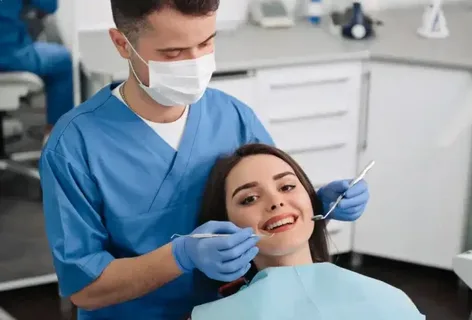
What if your dental visits could do more than just fix problems? What if they actively built a stronger, healthier smile from the ground up? This is the core idea behind a truly holistic approach to oral health. It views the mouth as a connected system, not just a collection of individual teeth. Isolated treatments for cavities or gum issues are like patching potholes on a crumbling road. True dental wellness requires an ongoing maintenance plan. This preventative philosophy is the bedrock of lasting oral health. It focuses on stopping issues before they start, saving patients significant time, discomfort, and expense over their lifetime. In Jacksonville, FL, practices like Digital Aesthetic Dentistry embody this foundational mindset. They see general dentistry not as a series of random appointments, but as the essential, coordinated care that supports a lifetime of confident smiles. Key Takeaways A holistic approach treats your mouth as one interconnected system for better overall health. Preventative maintenance is more effective and cost-efficient than reacting to dental emergencies. Foundational dental care focuses on stopping problems before they can develop and cause pain. This philosophy saves patients time, money, and discomfort in the long run. Choosing a practice committed to complete smile care is an investment in your future well-being. Regular, coordinated visits build a stronger foundation than sporadic treatment for isolated issues. Understanding Comprehensive General Dentistry Comprehensive general dentistry is different from limited-scope clinics. It offers many services to keep your teeth healthy for life. At Digital Aesthetic Dentistry in Jacksonville, you get a family dental practice that cares for your whole health. Definition and Scope of Services So, what is comprehensive general dentistry? It's a care model that looks at all parts of your oral health. It aims to prevent problems and improve your overall health. This care model covers a wide range of services. A typical practice offers: Diagnostic exams and digital X-rays Professional cleanings and periodontal care Restorative treatments like fillings, crowns, and bridges Root canal therapy Basic oral surgery, including extractions This approach means you can get most dental needs in one place. It helps build a strong relationship between you, your dentist, and hygienist. This is key for good care. Importance in Preventative Care The main strength of this model is its focus on prevention. Comprehensive general dentistry is proactive, not reactive. It aims to stop cavities, gum disease, and other issues before they start. Regular check-ups and cleanings are key. Dentists can find early signs of problems during these visits. Catching issues early often means simpler, less expensive treatments. This approach is great for family dental practices. It helps children, adults, and seniors in different ways. A comprehensive dentist creates a plan for each age group. This helps prevent future problems and saves money. The Role of Routine Check-ups in Oral Health Many people wonder what happens during a dental exam. They also ask why regular visits are so important. These appointments help prevent big dental problems. Think of a check-up as a maintenance service for your smile. Just like cars need oil changes, your teeth and gums need professional care. Modern dentistry uses gentle dental procedures to make visits comfortable. What to Expect During a Dental Visit A typical check-up at a place like Digital Aesthetic Dentistry is thorough yet relaxing. The goal is to check your oral health while you're comfortable. The visit starts with a review of your medical history and any concerns. This conversation is key. It helps the team tailor the exam to your needs. Next, you'll get a professional cleaning. A dental hygienist will remove plaque and tartar. This process is precise and careful of your comfort. The core of the visit is the oral examination by the dentist. This is a detailed inspection: Tooth Inspection: Checking each tooth for decay, cracks, or wear. Gum Evaluation: Measuring gum pockets to screen for early signs of gum disease. Oral Cancer Screening: A visual and tactile check of your lips, tongue, throat, and cheeks. Bite and Jaw Assessment: Looking for issues with your bite or signs of TMJ disorders. Advanced practices often use digital imaging for a clearer view without discomfort. The entire exam is conducted with a focus on gentle and communicative care. You should always know what's happening and why. The visit concludes with a discussion of the findings and personalized recommendations for your home care routine. Frequency of Dental Check-ups How often should you see your dentist? The standard recommendation for most children and adults is every six months. This biannual schedule is not arbitrary. It strikes a balance between being proactive and practical. Plaque and tartar can accumulate to problematic levels within this timeframe. A six-month interval allows dentists to catch cavities when they are tiny and reverse early gum inflammation before it causes permanent damage. But, this frequency is a guideline, not a rigid rule. Some individuals may need to visit more often. Your dentist might suggest three or four-month intervals if you: Have a history of gum disease. Are prone to cavities. Have a systemic health condition like diabetes. Are a smoker. Consistency is key. Sporadic visits create gaps where problems can develop unnoticed. Regular check-ups build a health history, making it easier for your dental team to spot subtle changes over time. Benefits of Regular vs. Irregular Dental Visits  Aspect of Care With Regular Check-ups (Every 6 Months) With Irregular or Rare Visits Problem Detection Issues are caught early, often requiring simple, gentle dental procedures. Problems advance, often needing complex treatments like root canals or extractions. Cost Over Time Lower long-term cost due to preventive care and minor treatments. Higher long-term cost due to emergency visits and major restorative work. Patient Comfort Familiarity with the team and environment reduces anxiety; procedures are less invasive. Increased anxiety due to unfamiliarity and the likelihood of more intense procedures. Overall Health Impact Positive; helps maintain good oral-systemic health links. Negative; untreated oral infections can affect general health. Committing to routine check-ups is an investment in your smile, your wallet, and your overall well-being. It’s the simplest way to ensure your dental care remains preventive rather than reactive. Preventing Oral Diseases: A Key Focus Modern dentistry is all about stopping diseases before they begin. This is the core of preventative care. It turns dentistry into a lifelong health partnership. Adopting a preventative focus is the smartest affordable dental services choice. Common Dental Diseases Addressed General dentistry fights the biggest threats to our teeth. Cavities are caused by acid from bacteria that harm tooth enamel. Gingivitis is an early gum disease with inflammation and bleeding. Gingivitis can turn into periodontitis if not treated. This serious infection harms the gums and bones, leading to tooth loss. A general dentist catches these problems early, cleans teeth, and fixes them when needed. Tips for Prevention Prevention is about home care and professional help. Brushing twice a day and flossing daily are musts. Eating less sugar and acidic foods helps keep enamel strong. Professional care is key too. Regular check-ups and cleanings remove plaque and tartar. These visits help catch small problems before they grow. This is the heart of sustainable oral health. Here are steps for a good prevention plan: Use a soft-bristled toothbrush and replace it every three to four months. Drink plenty of water, specially after meals, to rinse away food. Ask your dentist about protective sealants or fluoride treatments. Schedule and keep your twice-yearly dental hygiene appointments. Preventative habits and visits save money and time. Treating advanced problems is costly and painful. Preventive care is the best affordable dental services choice, saving money and discomfort in the long run. Advanced Diagnostic Tools in Dentistry Dental care has changed a lot with new tech. Now, dentists can see problems before they are obvious. This helps them give better care that fits each person's needs. X-rays and Their Importance X-rays are still very important in dental care. They show problems that can't be seen with the eye. Dentists use them to find cavities and check teeth and bones. X-rays help catch problems early. This means less pain and fewer expensive treatments later. It's a big help in keeping teeth healthy. The Role of Digital Imaging Digital imaging is a big step up in state-of-the-art dental technology. It uses sensors and computers to take pictures. This is better for everyone. Patients get less radiation with digital X-rays. Dentists can see results right away. This makes it easier to explain what's wrong and plan treatments. This tech is key in Digital Aesthetic Dentistry. It helps plan things like veneers and implants. The aim is to find problems early for the best results. Personalized Treatment Plans No two patients are the same. Modern dental care moves beyond a one-size-fits-all approach. Now, it focuses on personalized oral health treatments that grow with you. This method makes care proactive and personal. It turns a routine visit into a shared journey. Understanding Individual Needs A good dentist starts by listening. They create a plan based on many factors. Your health history and current habits are reviewed. Your smile goals are also important. Whether you want to keep your natural teeth or explore cosmetic options, these goals shape your plan. This detailed look helps spot risks for decay, gum disease, or wear. The result is a strategy designed just for you. It might focus on prevention or schedule treatments early. This tailored care tackles problems before they become big issues. Tailoring Care for Different Age Groups Effective personalized treatment plans change with life's stages. Children, adults, and seniors have unique needs. For Children: The focus is on prevention and education. Plans include regular cleanings, sealants, and fluoride treatments. Dentists teach fun hygiene habits for a healthy future. For Adults: Care balances prevention and restoration. This stage may treat early issues or manage habits like teeth grinding. Many adults also seek cosmetic improvements to boost confidence, fitting into a comprehensive plan. For Seniors: Attention shifts to special concerns. Plans tackle dry mouth, root decay, and denture or implant fit. The goal is to keep teeth comfortable, functional, and healthy. At Digital Aesthetic Dentistry in Jacksonville, this approach is key. They make customized care plans for all ages. This ensures everyone gets the right care at the right time. Your dental plan should feel made just for you. Because the best one is. The Benefits of Preventive Dentistry Comprehensive general dentistry care does more than just clean teeth. It builds a shield against future dental problems. This approach keeps you healthy instead of just fixing issues. It also saves money, time, and improves your overall well-being. Prevention means working with your dentist to stop problems early. It turns dental care into a positive routine. At Digital Aesthetic Dentistry, we focus on long-term benefits for all patients. Cost-Effectiveness of Early Treatment Fixing a dental issue early saves money compared to waiting. A small cavity can be fixed with a simple filling. But if ignored, it can damage the tooth's nerve. This could lead to a root canal and a crown. The cost and complexity increase a lot. Early care is a smart investment for your health and wallet. Care Type Typical Procedure Average Cost (U.S.) Chair Time Patient Discomfort Preventive & Early Routine Cleaning & Exam $100 - $200 45-60 minutes Minimal to None Early Intervention Tooth-Colored Filling $150 - $450 30-60 minutes Local anesthesia, mild sensitivity Reactive Treatment Root Canal & Crown $1,500 - $2,500+ 2-3+ visits (several hours) More complex anesthesia, potential post-op soreness Note: Costs are approximate and vary by location and case complexity. This table shows the economic benefits of preventive care. How Prevention Saves Time and Discomfort Preventive dentistry saves time. Regular check-ups and cleanings are quick and fit into your schedule. They don't disrupt your busy life. On the other hand, complex treatments take longer. A root canal and crown need many visits. You also need time to recover. Preventive care avoids these long treatments. Prevention also means less pain and anxiety. A small cavity might not hurt, but a tooth needing a root canal can be very painful. Early treatment prevents this pain. This approach also reduces dental fear. Regular, positive visits build trust. They change dentistry from something scary to something you can control. The care model at Digital Aesthetic Dentistry is all about this. It sees dentistry as an investment in your future comfort and peace of mind. This proactive partnership is key to lasting oral health. Oral Hygiene Education for Patients An experienced dental team knows that its most lasting work often happens when the patient is at home. Comprehensive care isn't complete without empowering individuals with the knowledge to protect their smiles daily. At practices like Digital Aesthetic Dentistry, the experienced dental team dedicates significant time to educating every patient. They transform the dental visit from a simple procedure into a collaborative learning experience. Promoting Best Practices at Home Effective oral hygiene is a skill. It goes beyond just moving a brush around your mouth. A key part of patient education involves demonstrating the techniques that make a real difference. For brushing, the focus is on angle and time. Hold the brush at a 45-degree angle to the gums and use gentle, circular motions. Spend two full minutes, ensuring every surface is cleaned. Electric toothbrushes with timers can be excellent tools for this. Flossing is non-negotiable for interdental health. The proper technique involves curving the floss into a "C" shape against each tooth and sliding it beneath the gumline. Many patients are surprised to learn that snapping the floss straight up and down misses the critical area. An experienced dental team will also discuss the role of antimicrobial mouthwash and the importance of cleaning the tongue to reduce bacteria that cause bad breath. "We don't just clean teeth; we teach people how to keep them clean. That knowledge is the most valuable treatment we provide." - A General Dentistry Practitioner Common Mistake Professional Recommendation Why It Matters Brushing too hard with a stiff brush Use a soft-bristled brush with gentle pressure Prevents gum recession and enamel wear Rushing through a two-minute brush Set a timer or use a brush with a built-in timer Ensures all plaque is effectively removed Snapping floss between teeth Gently guide fliss with a sawing motion and curve around each tooth Cleans plaque from tooth sides without damaging gums Replacing your toothbrush only when bristles are frayed Replace your toothbrush or brush head every 3-4 months Worn bristles are less effective at plaque removal Importance of Education for Kids Establishing positive habits early sets the stage for a lifetime of oral health. Education for children needs to be engaging, fun, and age-appropriate. The goal is to create positive associations with dental care. Dental teams often use simple analogies, like "fighting sugar bugs," to explain cavity prevention. Turning brushing into a game or using apps with songs and timers can make the routine something kids look forward to. Here are a few effective strategies taught by dental professionals: Lead by Example: Brush and floss together as a family activity. Use Rewards: Implement a sticker chart for consistent brushing and flossing. Choose Fun Tools: Let kids pick out a toothbrush with their favorite character or a flavored fluoride toothpaste. Start Early: Bring children for their first dental visit by age one to build comfort and familiarity. This proactive approach by an experienced dental team helps eliminate fear and builds a foundation of trust and knowledge. When kids understand the "why" behind brushing, they are more likely to maintain the habit independently. Ultimately, patient education transforms passive care into active partnership. It's the knowledge patients take home that truly guards their oral health between visits, making every cleaning and check-up more effective and lasting. Cosmetic Dentistry as Part of General Care Today, oral health includes cosmetic solutions for total wellness. General dentistry now treats more than just disease. It also focuses on a healthy smile and confidence. Modern dentistry, known as Digital Aesthetic Dentistry, mixes preventive and cosmetic care. Treatments like whitening and veneers are part of a bigger plan. The goal is a healthy, beautiful mouth. Enhancing A Smile and Confidence A good smile changes your life. It affects how you interact, work, and feel. If you're not happy with your teeth, you might smile less. General dentists who offer cosmetic services help patients feel better about their smile. This is key in today's patient-focused care. "Oral health is not just about being disease-free. It's about being physically, mentally, and socially well." This view shows why cosmetic dentistry is important. It boosts your mood and social life. It's a big part of personalized oral health treatments. Common Cosmetic Procedures Offered Many dental offices now offer cosmetic services. These treatments fix imperfections and keep teeth healthy. They are often quick and can make a big difference. Here are some common cosmetic treatments: Professional Teeth Whitening: This safe, in-office treatment removes stains better than home kits. Tooth-Colored Fillings (Composite Bonding): These fillings blend with your tooth, making cavities invisible. They can also fix chips or reshape teeth. Dental Veneers: Thin, custom shells of porcelain improve your teeth's color, shape, size, or alignment. They're a key part of Digital Aesthetic Dentistry. Dental Bonding: A tooth-colored resin is applied and hardened to fix cracks, gaps, and minor issues. It's affordable and versatile. Each option is chosen based on your overall oral health. A dentist will pick the best treatment for you. This is what makes personalized oral health treatments so effective. When general care includes cosmetic treatments, patients get a complete service. They leave with a smile they're proud of. This approach meets today's expectations for dentistry that cares for the whole person. Managing Dental Anxiety and Fear Managing dental fear is key in a good dental practice. Many people avoid dental visits because of fear. Modern dental offices focus on making patients comfortable. Techniques to Help Patients Relax Dental teams use many ways to calm patients. They talk clearly and explain each step. This helps remove fear of the unknown. They also offer sedation, like nitrous oxide or oral sedatives. This helps patients relax more. Watching TV, listening to music, or using headphones can also distract from anxiety. Some offices even give out weighted blankets for extra calm. The goal is to do gentle dental procedures at a pace that feels right for the patient. At Digital Aesthetic Dentistry, patients feel calm from the start. The team is great at making patients feel at ease. Importance of a Supportive Environment The dental office's environment is crucial. It should be supportive and non-judgmental. Staff should listen well and answer questions patiently. A friendly office design helps too. It has comfy seats, nice lighting, and is quiet. This makes patients feel safe and builds trust. Choosing a dentist who cares about this environment is important. It makes dental visits less stressful. This shows dental visits don't have to be scary. The Link Between Oral Health and Overall Well-being At Digital Aesthetic Dentistry, we see preventative dental care as key to overall health. Your mouth is connected to your body through blood and nerves. This connection means your gums and teeth affect your body's health. Keeping your mouth healthy helps protect your whole body. How Oral Health Affects General Health Gum disease is a chronic issue. It lets harmful bacteria into your blood. These bacteria can harm other organs. This puts a lot of stress on your immune system. It must fight infections in your mouth and elsewhere. Good oral care and regular cleanings help keep bacteria in check. This is why preventative dental care is so important. It helps your immune system stay strong. The Connection Between Oral Health and Chronic Conditions Research shows a link between poor oral health and chronic diseases. Gum disease's inflammation plays a big role. Heart Disease: Oral bacteria can make blood vessels inflamed. This raises the risk of heart attack and stroke. Diabetes: Diabetes makes gum disease worse, and bad gum disease can make blood sugar hard to control. Respiratory Infections: Breathing in bacteria from infected teeth and gums can cause pneumonia, mostly in older adults. Pregnancy Complications: Gum disease is linked to a higher risk of premature birth and low birth weight. Good oral health is more than just saving teeth. It's crucial for managing these diseases. A dentist is a key part of your healthcare team. Regular visits and cleanings at Digital Aesthetic Dentistry do more than keep your smile bright. They're a big investment in your health. Preventative dental care is a smart health choice. Finding the Right General Dentist for You Choosing a general dentist is a big decision. It affects your oral health for years. A good dentist is like a partner in your care. Questions to Ask During Your Search Ask specific questions when looking for a dentist. Find out about preventative and restorative services. Ask about the technology used for exams and treatments. Also, ask how they handle urgent dental issues. Make sure to ask about insurance and payment plans. Importance of Online Reviews and Recommendations Online reviews show what patients think. Look for comments on communication and results. Personal referrals from people you trust can also help. Places like Digital Aesthetic Dentistry in Jacksonville focus on these areas. They have a skilled dental team dedicated to quality care. They use the latest technology for accurate diagnoses. They also offer same-day emergency appointments. Consider visiting them at 10915 Baymeadows Rd #106, Jacksonville, FL 32256. Call 904-619-6478 to book an appointment. Check out their services online at https://yourdigitaldentist.com/. FAQ What makes comprehensive general dentistry different from just going to the dentist when I have a toothache? Comprehensive general dentistry is all about keeping your mouth healthy. It's not just for emergencies. It includes regular check-ups, cleanings, and treatments just for you. This way, you avoid big problems and save money and time. How often should I really visit the dentist for a check-up? You should go every six months. This helps catch small problems early. Your dentist might suggest more visits if you're at higher risk. What are the most common oral diseases, and how can I prevent them? Cavities and gum disease are big threats. To fight them, brush and floss daily. Also, limit sugary foods. Regular dental visits help too. Are dental X-rays safe, and why are they necessary? Dental X-rays are safe and very important. They help find problems hidden from view. Modern X-rays use less radiation and give clear images for better care. Does a general dentist create the same treatment plan for everyone? No. Your dentist will make a plan just for you. They consider your health history and goals. This means care for kids, adults, and seniors is all different. How does preventative care actually save me money? It's like an investment. Fixing small problems early saves you from bigger, more expensive ones. It also saves you time and pain. What kind of oral hygiene tips will the dental team provide? They teach you how to brush and floss right. They also talk about diet and recommend products for you. For kids, they make learning fun. Can a general dentist help with the appearance of my smile, or do I need a specialist? Many general dentists offer cosmetic services. They can whiten your teeth, fix cavities, and more. This improves both how your teeth look and work. I get very nervous about dental visits. How can a dentist help with that? Modern dentists focus on making you comfortable. They use clear talk, sedation, and calming spaces. Finding a supportive dentist is key. Is there really a connection between my oral health and my overall health? Yes. Gum disease can lead to heart disease and diabetes. Keeping your mouth healthy is good for your whole body. What should I look for when choosing a new general dentist? A> Look for a wide range of services and modern tech. They should focus on prevention and make you feel at ease. Digital Aesthetic Dentistry in Jacksonville is a great example.
Previous Story

Why Comprehensive General Dentistry Is the Foundation of Oral Health

Villa Remodeling
Next Story

What Makes Professional Villa Remodeling Services Worth the Investment

What if your dental visits could do more than just fix problems? What if they actively built a stronger, healthier smile from the ground up? This is the core idea behind a truly holistic approach to oral health. It views the mouth as a connected system, not just a collection of individual teeth. Isolated treatments for cavities or gum issues are like patching potholes on a crumbling road. True dental wellness requires an ongoing maintenance plan. This preventative philosophy is the bedrock of lasting oral health. It focuses on stopping issues before they start, saving patients significant time, discomfort, and expense over their lifetime. In Jacksonville, FL, practices like Digital Aesthetic Dentistry embody this foundational mindset. They see general dentistry not as a series of random appointments, but as the essential, coordinated care that supports a lifetime of confident smiles. Key Takeaways A holistic approach treats your mouth as one interconnected system for better overall health. Preventative maintenance is more effective and cost-efficient than reacting to dental emergencies. Foundational dental care focuses on stopping problems before they can develop and cause pain. This philosophy saves patients time, money, and discomfort in the long run. Choosing a practice committed to complete smile care is an investment in your future well-being. Regular, coordinated visits build a stronger foundation than sporadic treatment for isolated issues. Understanding Comprehensive General Dentistry Comprehensive general dentistry is different from limited-scope clinics. It offers many services to keep your teeth healthy for life. At Digital Aesthetic Dentistry in Jacksonville, you get a family dental practice that cares for your whole health. Definition and Scope of Services So, what is comprehensive general dentistry? It's a care model that looks at all parts of your oral health. It aims to prevent problems and improve your overall health. This care model covers a wide range of services. A typical practice offers: Diagnostic exams and digital X-rays Professional cleanings and periodontal care Restorative treatments like fillings, crowns, and bridges Root canal therapy Basic oral surgery, including extractions This approach means you can get most dental needs in one place. It helps build a strong relationship between you, your dentist, and hygienist. This is key for good care. Importance in Preventative Care The main strength of this model is its focus on prevention. Comprehensive general dentistry is proactive, not reactive. It aims to stop cavities, gum disease, and other issues before they start. Regular check-ups and cleanings are key. Dentists can find early signs of problems during these visits. Catching issues early often means simpler, less expensive treatments. This approach is great for family dental practices. It helps children, adults, and seniors in different ways. A comprehensive dentist creates a plan for each age group. This helps prevent future problems and saves money. The Role of Routine Check-ups in Oral Health Many people wonder what happens during a dental exam. They also ask why regular visits are so important. These appointments help prevent big dental problems. Think of a check-up as a maintenance service for your smile. Just like cars need oil changes, your teeth and gums need professional care. Modern dentistry uses gentle dental procedures to make visits comfortable. What to Expect During a Dental Visit A typical check-up at a place like Digital Aesthetic Dentistry is thorough yet relaxing. The goal is to check your oral health while you're comfortable. The visit starts with a review of your medical history and any concerns. This conversation is key. It helps the team tailor the exam to your needs. Next, you'll get a professional cleaning. A dental hygienist will remove plaque and tartar. This process is precise and careful of your comfort. The core of the visit is the oral examination by the dentist. This is a detailed inspection: Tooth Inspection: Checking each tooth for decay, cracks, or wear. Gum Evaluation: Measuring gum pockets to screen for early signs of gum disease. Oral Cancer Screening: A visual and tactile check of your lips, tongue, throat, and cheeks. Bite and Jaw Assessment: Looking for issues with your bite or signs of TMJ disorders. Advanced practices often use digital imaging for a clearer view without discomfort. The entire exam is conducted with a focus on gentle and communicative care. You should always know what's happening and why. The visit concludes with a discussion of the findings and personalized recommendations for your home care routine. Frequency of Dental Check-ups How often should you see your dentist? The standard recommendation for most children and adults is every six months. This biannual schedule is not arbitrary. It strikes a balance between being proactive and practical. Plaque and tartar can accumulate to problematic levels within this timeframe. A six-month interval allows dentists to catch cavities when they are tiny and reverse early gum inflammation before it causes permanent damage. But, this frequency is a guideline, not a rigid rule. Some individuals may need to visit more often. Your dentist might suggest three or four-month intervals if you: Have a history of gum disease. Are prone to cavities. Have a systemic health condition like diabetes. Are a smoker. Consistency is key. Sporadic visits create gaps where problems can develop unnoticed. Regular check-ups build a health history, making it easier for your dental team to spot subtle changes over time. Benefits of Regular vs. Irregular Dental Visits  Aspect of Care With Regular Check-ups (Every 6 Months) With Irregular or Rare Visits Problem Detection Issues are caught early, often requiring simple, gentle dental procedures. Problems advance, often needing complex treatments like root canals or extractions. Cost Over Time Lower long-term cost due to preventive care and minor treatments. Higher long-term cost due to emergency visits and major restorative work. Patient Comfort Familiarity with the team and environment reduces anxiety; procedures are less invasive. Increased anxiety due to unfamiliarity and the likelihood of more intense procedures. Overall Health Impact Positive; helps maintain good oral-systemic health links. Negative; untreated oral infections can affect general health. Committing to routine check-ups is an investment in your smile, your wallet, and your overall well-being. It’s the simplest way to ensure your dental care remains preventive rather than reactive. Preventing Oral Diseases: A Key Focus Modern dentistry is all about stopping diseases before they begin. This is the core of preventative care. It turns dentistry into a lifelong health partnership. Adopting a preventative focus is the smartest affordable dental services choice. Common Dental Diseases Addressed General dentistry fights the biggest threats to our teeth. Cavities are caused by acid from bacteria that harm tooth enamel. Gingivitis is an early gum disease with inflammation and bleeding. Gingivitis can turn into periodontitis if not treated. This serious infection harms the gums and bones, leading to tooth loss. A general dentist catches these problems early, cleans teeth, and fixes them when needed. Tips for Prevention Prevention is about home care and professional help. Brushing twice a day and flossing daily are musts. Eating less sugar and acidic foods helps keep enamel strong. Professional care is key too. Regular check-ups and cleanings remove plaque and tartar. These visits help catch small problems before they grow. This is the heart of sustainable oral health. Here are steps for a good prevention plan: Use a soft-bristled toothbrush and replace it every three to four months. Drink plenty of water, specially after meals, to rinse away food. Ask your dentist about protective sealants or fluoride treatments. Schedule and keep your twice-yearly dental hygiene appointments. Preventative habits and visits save money and time. Treating advanced problems is costly and painful. Preventive care is the best affordable dental services choice, saving money and discomfort in the long run. Advanced Diagnostic Tools in Dentistry Dental care has changed a lot with new tech. Now, dentists can see problems before they are obvious. This helps them give better care that fits each person's needs. X-rays and Their Importance X-rays are still very important in dental care. They show problems that can't be seen with the eye. Dentists use them to find cavities and check teeth and bones. X-rays help catch problems early. This means less pain and fewer expensive treatments later. It's a big help in keeping teeth healthy. The Role of Digital Imaging Digital imaging is a big step up in state-of-the-art dental technology. It uses sensors and computers to take pictures. This is better for everyone. Patients get less radiation with digital X-rays. Dentists can see results right away. This makes it easier to explain what's wrong and plan treatments. This tech is key in Digital Aesthetic Dentistry. It helps plan things like veneers and implants. The aim is to find problems early for the best results. Personalized Treatment Plans No two patients are the same. Modern dental care moves beyond a one-size-fits-all approach. Now, it focuses on personalized oral health treatments that grow with you. This method makes care proactive and personal. It turns a routine visit into a shared journey. Understanding Individual Needs A good dentist starts by listening. They create a plan based on many factors. Your health history and current habits are reviewed. Your smile goals are also important. Whether you want to keep your natural teeth or explore cosmetic options, these goals shape your plan. This detailed look helps spot risks for decay, gum disease, or wear. The result is a strategy designed just for you. It might focus on prevention or schedule treatments early. This tailored care tackles problems before they become big issues. Tailoring Care for Different Age Groups Effective personalized treatment plans change with life's stages. Children, adults, and seniors have unique needs. For Children: The focus is on prevention and education. Plans include regular cleanings, sealants, and fluoride treatments. Dentists teach fun hygiene habits for a healthy future. For Adults: Care balances prevention and restoration. This stage may treat early issues or manage habits like teeth grinding. Many adults also seek cosmetic improvements to boost confidence, fitting into a comprehensive plan. For Seniors: Attention shifts to special concerns. Plans tackle dry mouth, root decay, and denture or implant fit. The goal is to keep teeth comfortable, functional, and healthy. At Digital Aesthetic Dentistry in Jacksonville, this approach is key. They make customized care plans for all ages. This ensures everyone gets the right care at the right time. Your dental plan should feel made just for you. Because the best one is. The Benefits of Preventive Dentistry Comprehensive general dentistry care does more than just clean teeth. It builds a shield against future dental problems. This approach keeps you healthy instead of just fixing issues. It also saves money, time, and improves your overall well-being. Prevention means working with your dentist to stop problems early. It turns dental care into a positive routine. At Digital Aesthetic Dentistry, we focus on long-term benefits for all patients. Cost-Effectiveness of Early Treatment Fixing a dental issue early saves money compared to waiting. A small cavity can be fixed with a simple filling. But if ignored, it can damage the tooth's nerve. This could lead to a root canal and a crown. The cost and complexity increase a lot. Early care is a smart investment for your health and wallet. Care Type Typical Procedure Average Cost (U.S.) Chair Time Patient Discomfort Preventive & Early Routine Cleaning & Exam $100 - $200 45-60 minutes Minimal to None Early Intervention Tooth-Colored Filling $150 - $450 30-60 minutes Local anesthesia, mild sensitivity Reactive Treatment Root Canal & Crown $1,500 - $2,500+ 2-3+ visits (several hours) More complex anesthesia, potential post-op soreness Note: Costs are approximate and vary by location and case complexity. This table shows the economic benefits of preventive care. How Prevention Saves Time and Discomfort Preventive dentistry saves time. Regular check-ups and cleanings are quick and fit into your schedule. They don't disrupt your busy life. On the other hand, complex treatments take longer. A root canal and crown need many visits. You also need time to recover. Preventive care avoids these long treatments. Prevention also means less pain and anxiety. A small cavity might not hurt, but a tooth needing a root canal can be very painful. Early treatment prevents this pain. This approach also reduces dental fear. Regular, positive visits build trust. They change dentistry from something scary to something you can control. The care model at Digital Aesthetic Dentistry is all about this. It sees dentistry as an investment in your future comfort and peace of mind. This proactive partnership is key to lasting oral health. Oral Hygiene Education for Patients An experienced dental team knows that its most lasting work often happens when the patient is at home. Comprehensive care isn't complete without empowering individuals with the knowledge to protect their smiles daily. At practices like Digital Aesthetic Dentistry, the experienced dental team dedicates significant time to educating every patient. They transform the dental visit from a simple procedure into a collaborative learning experience. Promoting Best Practices at Home Effective oral hygiene is a skill. It goes beyond just moving a brush around your mouth. A key part of patient education involves demonstrating the techniques that make a real difference. For brushing, the focus is on angle and time. Hold the brush at a 45-degree angle to the gums and use gentle, circular motions. Spend two full minutes, ensuring every surface is cleaned. Electric toothbrushes with timers can be excellent tools for this. Flossing is non-negotiable for interdental health. The proper technique involves curving the floss into a "C" shape against each tooth and sliding it beneath the gumline. Many patients are surprised to learn that snapping the floss straight up and down misses the critical area. An experienced dental team will also discuss the role of antimicrobial mouthwash and the importance of cleaning the tongue to reduce bacteria that cause bad breath. "We don't just clean teeth; we teach people how to keep them clean. That knowledge is the most valuable treatment we provide." - A General Dentistry Practitioner Common Mistake Professional Recommendation Why It Matters Brushing too hard with a stiff brush Use a soft-bristled brush with gentle pressure Prevents gum recession and enamel wear Rushing through a two-minute brush Set a timer or use a brush with a built-in timer Ensures all plaque is effectively removed Snapping floss between teeth Gently guide fliss with a sawing motion and curve around each tooth Cleans plaque from tooth sides without damaging gums Replacing your toothbrush only when bristles are frayed Replace your toothbrush or brush head every 3-4 months Worn bristles are less effective at plaque removal Importance of Education for Kids Establishing positive habits early sets the stage for a lifetime of oral health. Education for children needs to be engaging, fun, and age-appropriate. The goal is to create positive associations with dental care. Dental teams often use simple analogies, like "fighting sugar bugs," to explain cavity prevention. Turning brushing into a game or using apps with songs and timers can make the routine something kids look forward to. Here are a few effective strategies taught by dental professionals: Lead by Example: Brush and floss together as a family activity. Use Rewards: Implement a sticker chart for consistent brushing and flossing. Choose Fun Tools: Let kids pick out a toothbrush with their favorite character or a flavored fluoride toothpaste. Start Early: Bring children for their first dental visit by age one to build comfort and familiarity. This proactive approach by an experienced dental team helps eliminate fear and builds a foundation of trust and knowledge. When kids understand the "why" behind brushing, they are more likely to maintain the habit independently. Ultimately, patient education transforms passive care into active partnership. It's the knowledge patients take home that truly guards their oral health between visits, making every cleaning and check-up more effective and lasting. Cosmetic Dentistry as Part of General Care Today, oral health includes cosmetic solutions for total wellness. General dentistry now treats more than just disease. It also focuses on a healthy smile and confidence. Modern dentistry, known as Digital Aesthetic Dentistry, mixes preventive and cosmetic care. Treatments like whitening and veneers are part of a bigger plan. The goal is a healthy, beautiful mouth. Enhancing A Smile and Confidence A good smile changes your life. It affects how you interact, work, and feel. If you're not happy with your teeth, you might smile less. General dentists who offer cosmetic services help patients feel better about their smile. This is key in today's patient-focused care. "Oral health is not just about being disease-free. It's about being physically, mentally, and socially well." This view shows why cosmetic dentistry is important. It boosts your mood and social life. It's a big part of personalized oral health treatments. Common Cosmetic Procedures Offered Many dental offices now offer cosmetic services. These treatments fix imperfections and keep teeth healthy. They are often quick and can make a big difference. Here are some common cosmetic treatments: Professional Teeth Whitening: This safe, in-office treatment removes stains better than home kits. Tooth-Colored Fillings (Composite Bonding): These fillings blend with your tooth, making cavities invisible. They can also fix chips or reshape teeth. Dental Veneers: Thin, custom shells of porcelain improve your teeth's color, shape, size, or alignment. They're a key part of Digital Aesthetic Dentistry. Dental Bonding: A tooth-colored resin is applied and hardened to fix cracks, gaps, and minor issues. It's affordable and versatile. Each option is chosen based on your overall oral health. A dentist will pick the best treatment for you. This is what makes personalized oral health treatments so effective. When general care includes cosmetic treatments, patients get a complete service. They leave with a smile they're proud of. This approach meets today's expectations for dentistry that cares for the whole person. Managing Dental Anxiety and Fear Managing dental fear is key in a good dental practice. Many people avoid dental visits because of fear. Modern dental offices focus on making patients comfortable. Techniques to Help Patients Relax Dental teams use many ways to calm patients. They talk clearly and explain each step. This helps remove fear of the unknown. They also offer sedation, like nitrous oxide or oral sedatives. This helps patients relax more. Watching TV, listening to music, or using headphones can also distract from anxiety. Some offices even give out weighted blankets for extra calm. The goal is to do gentle dental procedures at a pace that feels right for the patient. At Digital Aesthetic Dentistry, patients feel calm from the start. The team is great at making patients feel at ease. Importance of a Supportive Environment The dental office's environment is crucial. It should be supportive and non-judgmental. Staff should listen well and answer questions patiently. A friendly office design helps too. It has comfy seats, nice lighting, and is quiet. This makes patients feel safe and builds trust. Choosing a dentist who cares about this environment is important. It makes dental visits less stressful. This shows dental visits don't have to be scary. The Link Between Oral Health and Overall Well-being At Digital Aesthetic Dentistry, we see preventative dental care as key to overall health. Your mouth is connected to your body through blood and nerves. This connection means your gums and teeth affect your body's health. Keeping your mouth healthy helps protect your whole body. How Oral Health Affects General Health Gum disease is a chronic issue. It lets harmful bacteria into your blood. These bacteria can harm other organs. This puts a lot of stress on your immune system. It must fight infections in your mouth and elsewhere. Good oral care and regular cleanings help keep bacteria in check. This is why preventative dental care is so important. It helps your immune system stay strong. The Connection Between Oral Health and Chronic Conditions Research shows a link between poor oral health and chronic diseases. Gum disease's inflammation plays a big role. Heart Disease: Oral bacteria can make blood vessels inflamed. This raises the risk of heart attack and stroke. Diabetes: Diabetes makes gum disease worse, and bad gum disease can make blood sugar hard to control. Respiratory Infections: Breathing in bacteria from infected teeth and gums can cause pneumonia, mostly in older adults. Pregnancy Complications: Gum disease is linked to a higher risk of premature birth and low birth weight. Good oral health is more than just saving teeth. It's crucial for managing these diseases. A dentist is a key part of your healthcare team. Regular visits and cleanings at Digital Aesthetic Dentistry do more than keep your smile bright. They're a big investment in your health. Preventative dental care is a smart health choice. Finding the Right General Dentist for You Choosing a general dentist is a big decision. It affects your oral health for years. A good dentist is like a partner in your care. Questions to Ask During Your Search Ask specific questions when looking for a dentist. Find out about preventative and restorative services. Ask about the technology used for exams and treatments. Also, ask how they handle urgent dental issues. Make sure to ask about insurance and payment plans. Importance of Online Reviews and Recommendations Online reviews show what patients think. Look for comments on communication and results. Personal referrals from people you trust can also help. Places like Digital Aesthetic Dentistry in Jacksonville focus on these areas. They have a skilled dental team dedicated to quality care. They use the latest technology for accurate diagnoses. They also offer same-day emergency appointments. Consider visiting them at 10915 Baymeadows Rd #106, Jacksonville, FL 32256. Call 904-619-6478 to book an appointment. Check out their services online at https://yourdigitaldentist.com/. FAQ What makes comprehensive general dentistry different from just going to the dentist when I have a toothache? Comprehensive general dentistry is all about keeping your mouth healthy. It's not just for emergencies. It includes regular check-ups, cleanings, and treatments just for you. This way, you avoid big problems and save money and time. How often should I really visit the dentist for a check-up? You should go every six months. This helps catch small problems early. Your dentist might suggest more visits if you're at higher risk. What are the most common oral diseases, and how can I prevent them? Cavities and gum disease are big threats. To fight them, brush and floss daily. Also, limit sugary foods. Regular dental visits help too. Are dental X-rays safe, and why are they necessary? Dental X-rays are safe and very important. They help find problems hidden from view. Modern X-rays use less radiation and give clear images for better care. Does a general dentist create the same treatment plan for everyone? No. Your dentist will make a plan just for you. They consider your health history and goals. This means care for kids, adults, and seniors is all different. How does preventative care actually save me money? It's like an investment. Fixing small problems early saves you from bigger, more expensive ones. It also saves you time and pain. What kind of oral hygiene tips will the dental team provide? They teach you how to brush and floss right. They also talk about diet and recommend products for you. For kids, they make learning fun. Can a general dentist help with the appearance of my smile, or do I need a specialist? Many general dentists offer cosmetic services. They can whiten your teeth, fix cavities, and more. This improves both how your teeth look and work. I get very nervous about dental visits. How can a dentist help with that? Modern dentists focus on making you comfortable. They use clear talk, sedation, and calming spaces. Finding a supportive dentist is key. Is there really a connection between my oral health and my overall health? Yes. Gum disease can lead to heart disease and diabetes. Keeping your mouth healthy is good for your whole body. What should I look for when choosing a new general dentist? A> Look for a wide range of services and modern tech. They should focus on prevention and make you feel at ease. Digital Aesthetic Dentistry in Jacksonville is a great example.
Previous Story

Why Comprehensive General Dentistry Is the Foundation of Oral Health

Villa Remodeling
Next Story

What Makes Professional Villa Remodeling Services Worth the Investment

Latest from Blog

Relax

Convenient Ways to Relax after Work

In this day and age, it seems that most people are battling intense stress and pressure. A lot of this comes down to the demands of work and home life. With that
Go toTop

Don't Miss

Event Decoration

Event Decoration in Dubai – Creating Atmosphere, Not Just Setup

There’s a big difference between decorating a space and creating
Basket

Heavy-Duty Man Basket for Elevated Work

Home improvement often begins with simple ideas and modest plans,