2Q-Solution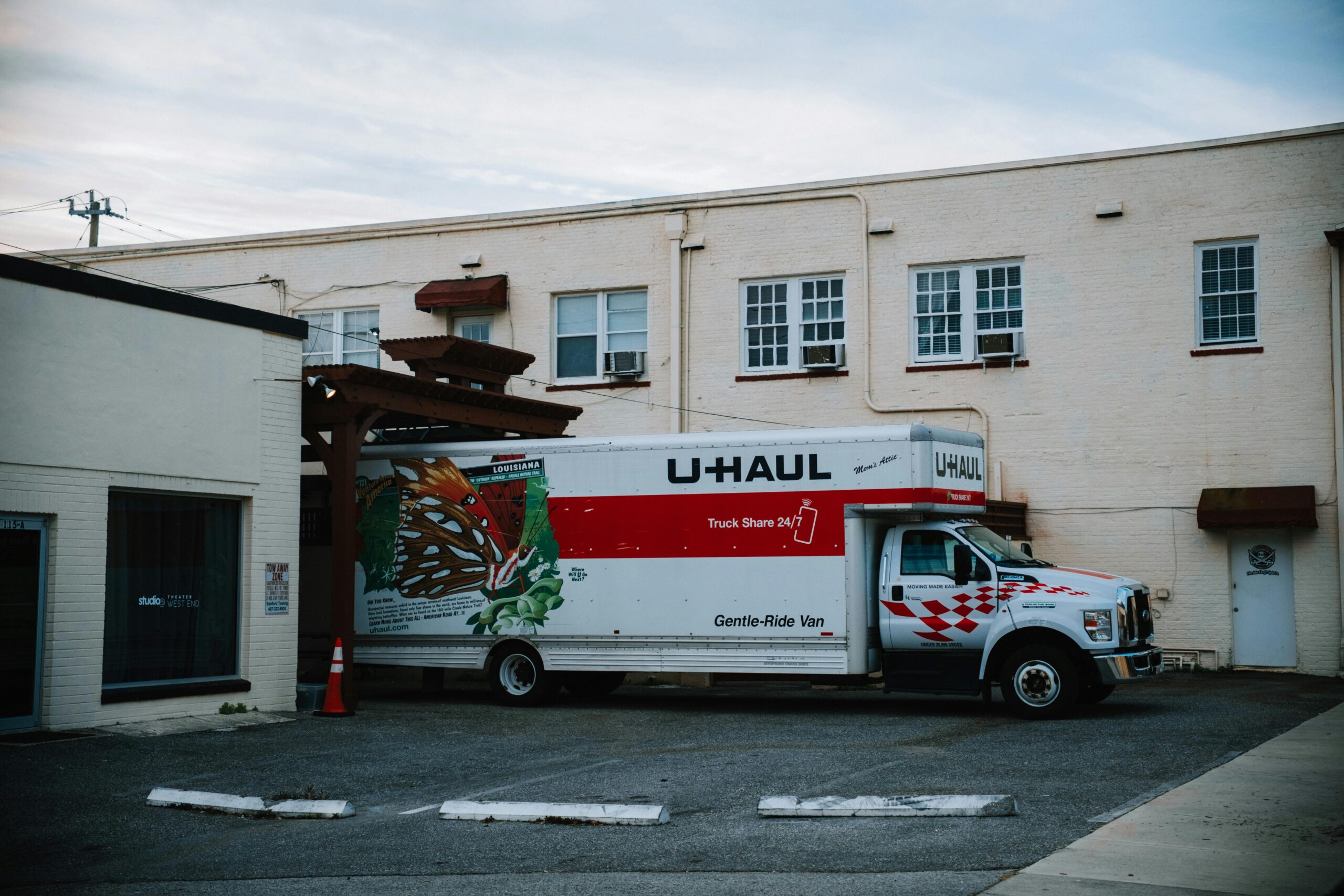
Not all truck crashes are the same—and the difference between a rental truck and a commercial fleet vehicle can completely change who’s responsible. Many people rent moving trucks only once or twice in their lives, often with little experience handling a large vehicle. Commercial fleet drivers, on the other hand, operate big trucks every day under strict rules and company oversight. When a crash happens, those differences matter.
Understanding how liability works in each situation helps victims avoid confusion and avoid being pushed around by insurance companies. Some rental truck accidents involve messy contracts and unclear insurance coverage. Meanwhile, commercial fleet crashes may involve multiple layers of negligence, from the driver to the company’s safety policies. Knowing the distinctions gives victims a stronger foundation when seeking justice.
Why Driver Experience Plays a Major Role
Rental truck drivers are often everyday people—families moving into a new home, college students relocating, or first-time renters unsure how to handle a 12-foot truck. These vehicles are bigger, heavier, and harder to control than what most renters are used to. That inexperience can lead to wide turns, misjudged braking distances, and difficulty reversing.
Commercial fleet drivers are typically trained professionals. They must follow federal safety regulations, complete hours-of-service logs, and undergo routine evaluations. When a commercial driver makes a serious mistake, it raises questions about training, fatigue, and employer oversight—issues that rarely apply to rental truck renters. These contrasting skill levels create very different liability paths.
Insurance Coverage Gaps That Surprise Rental Truck Drivers
Rental companies often offer multiple insurance options, and renters may not fully understand what they’re purchasing. Some plans exclude collisions caused by improper loading, speeding, or unauthorized drivers. Others don’t cover damage to personal property inside the truck. These gaps leave renters shocked when claims are denied.
Commercial fleet policies are usually much more comprehensive and structured. Employers carry liability coverage for their drivers, and some even carry additional umbrella policies. Because companies understand the risks of operating large vehicles, they typically include broader coverage. This difference in insurance structure leads to very different outcomes after a crash.
Mechanical Failures: Who’s Responsible?
When a rental truck breaks down or causes a crash due to mechanical failure, the rental company may be responsible for poor maintenance. Some trucks sit unused for long periods and then get rushed back into service without proper inspections. This can lead to brake failure, blown tires, or faulty steering components that put everyone on the road at risk.
Commercial fleets generally follow strict maintenance schedules because the vehicles are used daily. They have logs documenting inspections, repairs, and mileage, and investigators often work with a team like Diaco Law to review those records for signs of neglect. When something goes wrong in a commercial truck, detailed documentation can reveal whether the company ignored warnings or skipped essential repairs. These contrasting maintenance patterns play a major role in determining liability.
How Data Availability Changes the Investigation
Commercial fleet vehicles typically have GPS tracking, telematics, driver logs, and sometimes dashcams. These systems provide detailed information about speed, braking, engine performance, and driver behavior. Investigators rely on these digital footprints to reconstruct what happened.
Rental trucks rarely have the same technology. Many lack black boxes or advanced monitoring tools. Because data is limited, evidence from road conditions, witness statements, and physical damage becomes more important. This lack of digital documentation can make rental truck cases more difficult to prove—but not impossible.
When Corporate Policies Lead to Crashes
Commercial fleet crashes sometimes result from company-wide issues, not just driver mistakes. Bad scheduling, unrealistic delivery deadlines, or pressure to skip rest breaks can create unsafe conditions. These systemic failures can dramatically increase the likelihood of an accident because drivers feel rushed or fatigued.
With rental truck wrecks, however, corporate policy plays a much smaller role. Liability typically centers on the renter’s actions or the rental company’s maintenance practices—not internal pressure or scheduling requirements. Understanding these differences helps victims see where responsibility may fall in each type of crash.
Mistakes Renters Make Behind the Wheel
Because most renters aren’t trained to operate large vehicles, they often make errors that increase the risk of accidents. Rental trucks handle very differently from passenger cars, and the extra weight, height, and length require adjustments most people aren’t used to. This inexperience plays a major role in many rental truck collisions.
Here are mistakes investigators see frequently:
- Overloading the truck or uneven distribution of weight, which affects balance and braking
- Turning too sharply, causing the truck to tip or clip curbs, poles, or parked cars
- Underestimating the stopping distance, especially when the truck is fully loaded
- Driving too fast for the truck’s size, particularly on highways or downhill grades
- Ignoring height restrictions and hitting overpasses, bridges, or drive-thru structures
- Driving in unfamiliar areas without allowing extra room for lane changes, turns, or merging
These mistakes don’t automatically make the renter liable, but they often complicate the investigation. When combined with maintenance issues or unclear rental agreements, determining fault can become more challenging and may involve multiple parties.
How Liability Differs When Multiple Vehicles Are Involved
Multi-vehicle crashes involving rental trucks can get complicated quickly. If the renter panicked or overcorrected, they may share fault. If another driver caused the chain reaction, they may bear the majority of liability. Rental companies may also face scrutiny if poor maintenance contributed to the crash.
With commercial trucks, liability often expands beyond the driver. Fleet managers, cargo loaders, and even third-party contractors may be responsible. This broader liability net can increase the amount of compensation available in commercial fleet cases compared to rental truck crashes.
What Victims Should Do After a Rental or Commercial Truck Crash
Regardless of the type of truck involved, the first priority is safety and medical care. Once injuries are addressed, documenting the crash scene becomes critical. Photos, witness information, and any available digital data can make or break a claim.
Understanding the difference between rental truck and commercial fleet liability helps victims avoid mistakes and protect their rights. With the right support and strong documentation, families can move forward confidently and pursue fair compensation.