Qamer Javed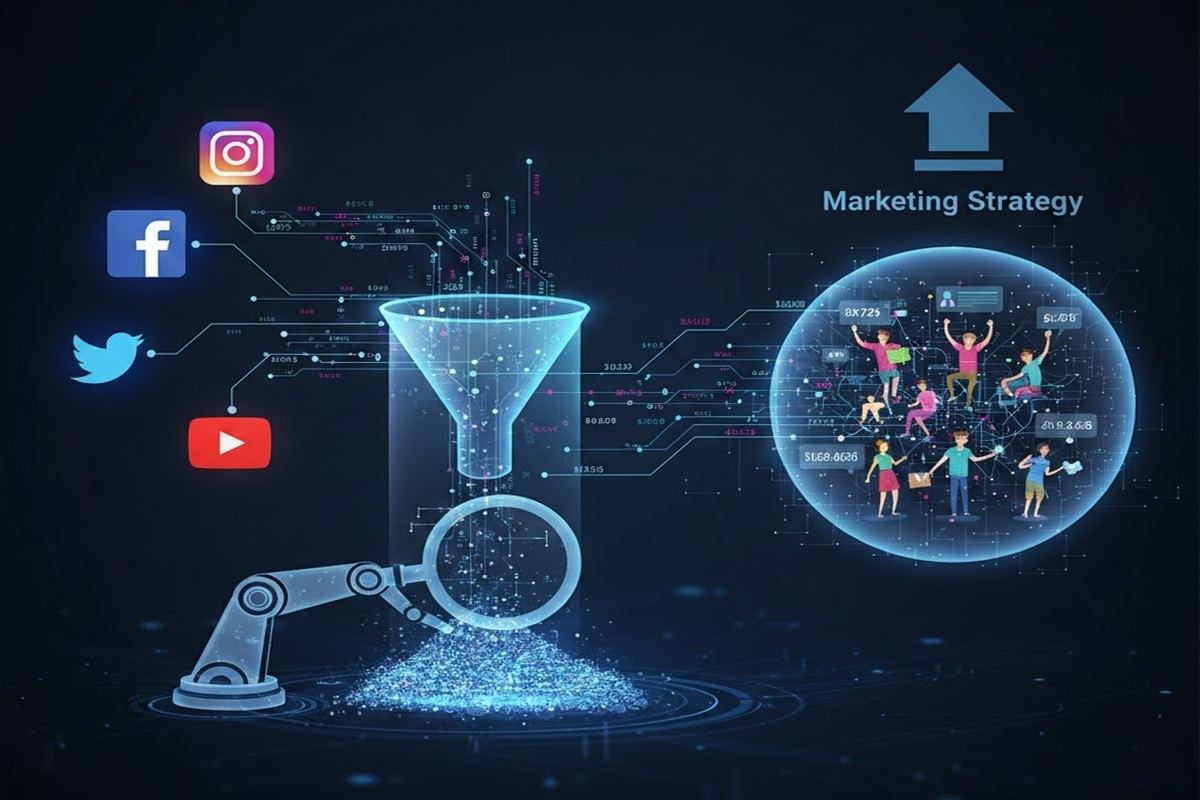
Influencer marketing has become a vital strategy for brands aiming to connect authentically with audiences. Social media platforms contain massive amounts of data on user behavior, content trends, and influencer performance. Manually analyzing this information is slow and prone to error. Social media data scraping solves this problem by systematically extracting actionable insights. Brands can use this data to identify influencers, vet authenticity, anticipate trends, and track campaign performance, ultimately maximizing ROI.
Beyond just numbers, data scraping provides insights into patterns, engagement quality, and audience behavior, helping marketers optimize campaigns and make informed decisions. As the influencer marketing ecosystem grows more competitive, leveraging structured social media data becomes essential to maintain efficiency, accuracy, and impact.
Automated Influencer Discovery
Identifying the right influencers is the foundation of any successful campaign. Social media data scraping automates this process by scanning vast amounts of online content and profiles to pinpoint individuals whose audience, content, and engagement align with brand objectives.
1. Keyword & Bio Scraping
Social media data scraping can analyze influencer bios and posts to identify relevant keywords, hashtags, and interests. This allows brands to quickly shortlist influencers who match specific niches or campaign goals. For instance, a fitness brand can search for keywords like “home workouts” or “nutrition tips” to identify influencers with the appropriate focus.
2. Visual Search
Scraping can also analyze images and videos for style, themes, and visual consistency, ensuring potential partners’ content aligns with the brand’s aesthetic. Like a Tiktok Scraper can specifically extract structured TikTok profile data, including engagement metrics and content types, to streamline the discovery of relevant influencers.
3. Niche Mapping
Scraping social media profiles helps categorize influencers into highly specific niches. This mapping process uncovers micro and nano influencers who, despite smaller followings, may have highly engaged audiences in relevant verticals. Niche mapping ensures campaigns reach precisely the right demographic without wasting resources on broad, untargeted exposure.
Automated influencer discovery not only speeds up the identification process but also provides a data-driven foundation for choosing collaborators. Brands can rely on concrete metrics rather than intuition or superficial indicators when forming partnerships.
Deep Vetting and Fraud Detection
Once potential influencers are identified, social media data scraping enables a thorough vetting process to ensure authenticity and audience quality. This step protects brands from influencer fraud, inflated engagement metrics, and misaligned partnerships.
1. Growth Curve Analysis
Scraping historical follower and engagement data allows brands to track an influencer’s growth trends over time. Sudden, unnatural spikes in followers or engagement may indicate bot activity or purchased followers, enabling marketers to avoid fraudulent accounts before partnerships are formed.
2. Engagement Quality
Beyond raw engagement numbers, social media data scraping can analyze the quality of interactions on an influencer’s posts. By examining comment depth, relevance, and user profiles, brands can determine whether an influencer’s audience is genuinely interested or merely passive.
3. Audience Demographics
Scraping tools can aggregate audience data such as age, location, and interests to ensure alignment with campaign objectives. For example, a brand targeting young urban professionals can validate that an influencer’s followers match this demographic before committing to a partnership.
Deep vetting powered by data scraping ensures that brands are investing in influencers who deliver authentic, measurable impact. It reduces the risk of wasted marketing spend and strengthens the credibility of campaigns.
Real-Time Trend Forecasting
The dynamic nature of social media requires brands to anticipate trends and respond quickly. Social media data scraping allows marketers to monitor trends in real time, providing predictive insights that inform campaign strategy.
1. Hashtag & Audio Tracking
Scraping trending hashtags, soundtracks, and audio clips across platforms like TikTok reveals what content is gaining traction. For example, Tiktok Data API makes it easier to extract structured TikTok data, allowing marketers to align influencer campaigns with the latest trends for maximum reach.
2. Sentiment Analysis
By extracting and analyzing comments, captions, and mentions, scraping tools can gauge audience sentiment toward certain topics or influencers. Positive or negative trends can be detected early, allowing marketers to adjust messaging or pivot campaigns proactively.
3. Competitor Intelligence
Scraping competitor activity, including their influencer collaborations and campaign performance, helps brands benchmark their strategies. By understanding which tactics are successful in their niche, marketers can replicate or innovate for better outcomes.
Real-time trend forecasting through data scraping empowers brands to stay agile, responding to emerging patterns before competitors. This proactive approach increases campaign relevance and ensures that influencer collaborations are timely and impactful.
Performance Tracking and ROI Attribution
Measuring the success of influencer campaigns is essential to demonstrate ROI. Social media data scraping automates performance tracking by aggregating data across multiple platforms and metrics.
1. Dynamic KPI Monitoring
Scraping tools allow marketers to continuously track key performance indicators such as engagement rate, reach, click-through rate, and conversions. This dynamic monitoring provides real-time insights, helping brands optimize campaigns while they are live.
2. Content Longevity
Data scraping enables brands to analyze how influencer content performs over time. Long-tail performance, including post interactions weeks after publication, is often overlooked but critical for understanding sustained impact and long-term brand resonance.
3. Attribution Modeling
By collecting detailed engagement and conversion data, scraping facilitates advanced attribution models that identify which influencers or posts contributed most to campaign goals. This insight ensures marketing budgets are allocated efficiently and high-performing influencers are recognized for future collaborations.
Performance tracking powered by data scraping transforms influencer marketing from an opaque investment into a measurable, data-driven strategy. Brands can confidently assess ROI and refine tactics for maximum impact.
Conclusion
Social media data scraping has become an indispensable tool in influencer marketing, offering unparalleled efficiency and precision. From automated influencer discovery and deep vetting to real-time trend forecasting and performance tracking, scraping empowers brands to make informed, data-driven decisions at every stage of a campaign.
By integrating scraping technologies, marketers can identify the right partners, detect fraud, anticipate trends, and accurately measure ROI. In a landscape where audiences are highly discerning and competition is fierce, leveraging social media data scraping ensures campaigns are both strategic and successful. Brands that embrace this approach gain a significant advantage, transforming influencer marketing from guesswork into a science of measurable influence.