Sky Bloom IT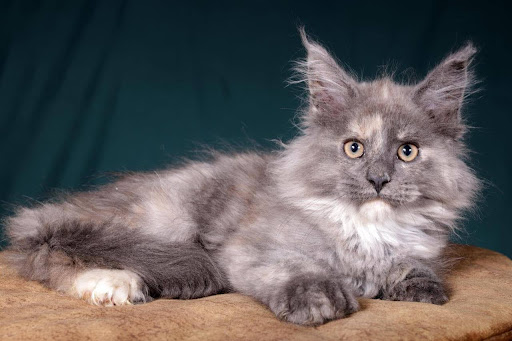
Large-breed cats look like a vibe: fluffy, majestic, “gentle giant,” maybe even a little wolfy on Instagram, and then you realize you’re basically living with a small furry roommate who can reach the kitchen counter without even trying. That’s the deal. You’re not adopting “a bigger cat.” You’re signing up for a different category of daily life.
It’s also not just Maine Coons. Norwegian Forest Cats, Ragdolls, Siberians, even stocky bricks like British Shorthairs, different coats, different energy, same headline: they take up more space, eat more, shed more, and tend to have bigger opinions about boredom.
The “Large Cat” Reality Check (Size, timeline, personality)
Most large domestic breeds don’t hit their full size fast, which messes with expectations because your kitten may look like a normal little fuzzball… until month six when the paws go cartoonish and the tail becomes a full-time accessory. Maine Coons, for example, can take 3–5 years to fully mature, so your “tiny baby” stage might vanish while the adolescent chaos sticks around longer than you’d like.
Big cat. Slow burn.
Temperament-wise, a lot of these breeds lean social and people-focused, “dog-like” gets thrown around (sometimes accurately, sometimes as marketing). Many will follow you from room to room, insert themselves into Zoom calls, and complain if you close doors like you’ve committed a personal betrayal.
Not all of them are chill.
Will this cat fit your home and routine? Ask the awkward questions now
If you’re out of the house for 10 hours a day and you want a cat that basically acts like a decorative pillow, a social large breed might not be the dream you think it is, some of them do fine alone, but boredom + size = wrecking ball energy. Your couch corners won’t stand a chance.
Be honest.
Run through this checklist before you start browsing cute kitten listings at midnight:
- Work schedule: Who’s home, and when?
- Noise tolerance: Some are chatty. Some are very chatty.
- Cleaning tolerance: Hair. Litter scatter. Random tufts in your water glass.
- Travel: Do you have a sitter who can handle a giant cat with strong preferences?
- Household: Kids, dogs, other cats, fine, but you’ll need a plan.
People love asking “Are Maine Coons good with kids?” Sure, often. But “good” still depends on your kid not treating the cat like a stuffed animal and your cat actually getting somewhere quiet to decompress.
Cats don’t do forced friendships.
Space isn’t square footage. It’s vertical territory
Apartment people panic here, and they shouldn’t, most big cats can live happily in smaller spaces if you build up instead of out, because they want vantage points, routes, and places to perch where they feel untouchable (in the best way). Horizontal floor space is nice. Vertical control is better.
Think shelves. Think towers.
A decent setup looks like:
- A heavy-duty cat tree with a real weight rating (not “for cats” fluff, actual pounds).
- Wall shelves or a climbing path so they can travel without vaulting across your dining table.
- Multiple scratch zones near where they sleep and where you sit (yes, both).
- A quiet room for decompression when guests/kids/dogs get loud.
And please don’t buy the tiny wobbly “cute” tree and call it enrichment. A large cat will treat it like a stepping stool, then leap from it to something more expensive.
They’re athletic. Even the lazy ones.
Supplies you can’t cheap out on (because they’re built like tanks)
The first time you watch a big cat try to use a normal litter box, you’ll understand why people keep shouting “XL.” They fit, but barely, and then they dig like they’re trying to reach the Earth’s core, which means litter ends up everywhere and your bathroom starts looking like a beach.
Go bigger.
- XL litter box (or storage tote-style) with high walls for diggers.
- More litter than you think you’ll need. Like… more.
- Large carrier with space to stand and turn around, measure the cat, not your optimism.
- Wide scratching posts that don’t tip when they lean into it.
- Water fountain (many big breeds drink better with running water).
Also: litter mats. Plural. One mat is a nice thought. Two mats is reality.
Your vacuum will still work overtime.
Grooming and shedding: the “gentle giant” comes with tumbleweeds
Long-haired large breeds (Maine Coon, Norwegian Forest Cat, some Siberians) aren’t just “fluffy.” Their coats can mat fast in friction zones, armpits, belly, behind the ears, especially if the cat is active, humid, or hates brushing and turns every session into a wrestling match.
Start early.
A simple grooming rhythm that doesn’t ruin your life:
- 2–4 quick brush sessions per week (short sessions beat long battles).
- Comb for problem areas (a brush can glide over mats; a comb finds them).
- Nail trims every couple weeks, big cats can do big damage.
- Hairball support via hydration and grooming, not just treats marketed as miracles.
Seasonal shedding is a whole event, by the way. You’ll think something is wrong. It’s usually just spring and your cat donating a second cat to your furniture.
Lint rollers become décor.
Food, portions, and the quiet problem: big cats can get chunky
Yes, large breeds eat more. But the trap is assuming they need unlimited food because they’re “growing,” then suddenly you’ve got a 20-pound cat who’s not built like a linebacker, he’s built like a beanbag. Size is one thing. Obesity is a different mess that drags joints, heart health, and lifespan into the mud.
Portion control matters.
Basic feeding sanity for big breeds:
- Pick a protein-forward food that agrees with their stomach (some are sensitive).
- Use measured meals rather than free-feeding, unless your cat self-regulates (many don’t).
- Hydration support with wet food and/or a fountain.
- Slow growth mindset, they’ll fill out over years, not weeks.
If you want to get fancy, talk to your vet about joint support and dental care while you’re at it. A big body with neglected teeth is a pain spiral waiting to happen.
Dental bills aren’t cute.
Health: what tends to pop up in large purebred cats (and what to ask)
Purebred cats can be amazing. They can also come with predictable genetic baggage, and you don’t need a veterinary degree to ask for proof that a breeder (or rescue, when available) is being straight with you.
Paperwork matters.
Common terms you’ll hear for large breeds (especially Maine Coons):
- HCM (hypertrophic cardiomyopathy): a heart condition; screening may include echocardiograms.
- SMA (spinal muscular atrophy): a genetic condition with DNA testing available.
- PKD (polycystic kidney disease): more common in some lines; testing exists.
Ask for what’s actually been done, not what’s “in the line.” DNA tests are great. Cardiac screening is gold. Vague language is a red flag dressed up as reassurance.
Don’t get hypnotized by fluff.
Breeder vs rescue: predictability vs flexibility (and how to avoid getting played)
Rescue can be incredible, especially if you’re open to a big mixed-breed cat or an adult whose personality is already obvious; the downside is you may not get genetic history, and “Maine Coon mix” often means “large-ish cat with tufted ears and a good PR team.”
Still worth it.
Going through a breeder can offer more predictability, size range, coat type, temperament, documented lineage, but only if the breeder is legit about health testing, contracts, and aftercare. Registration names you’ll see include TICA, CFA, and WCF. Those can help, but they’re not magic shields against shady behavior.
Look for transparency, not vibes.
If you’re actively shopping, read how breeders present their health guarantees, documentation, and process, this page on Maine Coon kittens for sale is a good example of the kind of details (testing, listings, policies) you should expect to see laid out clearly instead of hidden behind DMs.
Green flags
- Clear contracts (spay/neuter terms, return policy, health guarantee)
- Proof of vaccinations, deworming, vet checks, microchip info
- Genetic testing documentation (not just “parents are healthy”)
- Honest size expectations (no “guaranteed 30 pounds” nonsense)
Red flags
- Refuses to show paperwork or gives blurry screenshots
- Pushy deposit pressure with no written terms
- Won’t answer questions about HCM/SMA/PKD screening
- Multiple litters always available, no waitlist, no questions for you
Good breeders interview you, too. If nobody cares where the kitten is going, that’s not “easy.” That’s sketchy.
You’re allowed to be picky.
Kitten vs adult: the underrated win of skipping the chaos phase
Kittens are adorable. Kittens are also tiny demolition crews with zero concern for your sleep schedule, and large-breed kittens often grow into their bodies slowly, so you can get months of awkward teen energy, long legs, big curiosity, clumsy jumps, and the confidence of a cat who thinks gravity is optional.
It’s a lot.
Adult cats (from rescue or rehome situations) can be the cheat code: you get a more stable temperament, a clearer sense of grooming tolerance, and fewer surprises about energy levels. If you’re busy, that predictability is worth more than the baby photos.
Adults deserve hype.
Introducing a large cat to kids, cats, or dogs (without making your home a reality show)
Large cats can be great with families, but their size changes the physical dynamic, one swat can accidentally be a “message,” and one playful pounce can flatten a smaller pet’s enthusiasm. Slow intros and resource management keep things sane.
Separate first.
- Give the new cat a base room for a few days with food, water, litter, and hiding spots.
- Scent swap using blankets or bedding before face-to-face meetings.
- Short, supervised sessions and stop before anyone spirals.
- Duplicate resources (litter boxes, water, beds) so nobody feels cornered.
And with kids: teach “two-finger petting,” no picking up unless the cat enjoys it, and calm voices. Big cats aren’t plush toys. They’re living, breathing boundaries.
Respect buys peace.
Budget: the real monthly cost (and the surprise line items)
The upfront price gets all the attention, but your monthly spend is where reality lives, food, litter, replacement scratchers, grooming tools, annual vet checks, occasional professional grooming, dental cleanings, and an emergency fund for when your cat eats something weird because you left it out for three seconds.
Plan for it.
- Food: higher volume, often higher quality
- Litter: bigger boxes + more frequent top-ups
- Vet: routine + “why is he sneezing” visits
- Insurance or emergency fund: pick one, but pick something
- Gear replacement: big cats wear stuff out faster
None of this is meant to scare you off. It’s meant to stop you from pretending a giant cat is going to cost the same as a petite couch ornament.
They’re a lifestyle purchase.
Before you bring one home: a quick prep list that saves headaches
- Buy the XL litter box and set it up before arrival
- Secure a sturdy cat tree (no wobble, no flimsy platforms)
- Hide cords, tie up blinds, remove “dangly temptations”
- Choose one quiet room as the landing zone
- Book the first vet visit (or confirm the schedule from the breeder/rescue)
Then give it time. Bonding with a big cat can be oddly fast, some are instant best friends, but stress behavior is real, and a new home can scramble even the chillest temperament for a bit.
Patience beats force.
A large domestic cat breed can be a ridiculously fun companion if your home setup and routine match what the cat actually needs, not what the internet says it needs, and if you’re willing to handle the unglamorous parts like shedding, bigger gear, and the occasional dramatic flop in the hallway. You don’t have to be perfect. You just have to be realistic.
That’s the whole trick.