Sky Bloom IT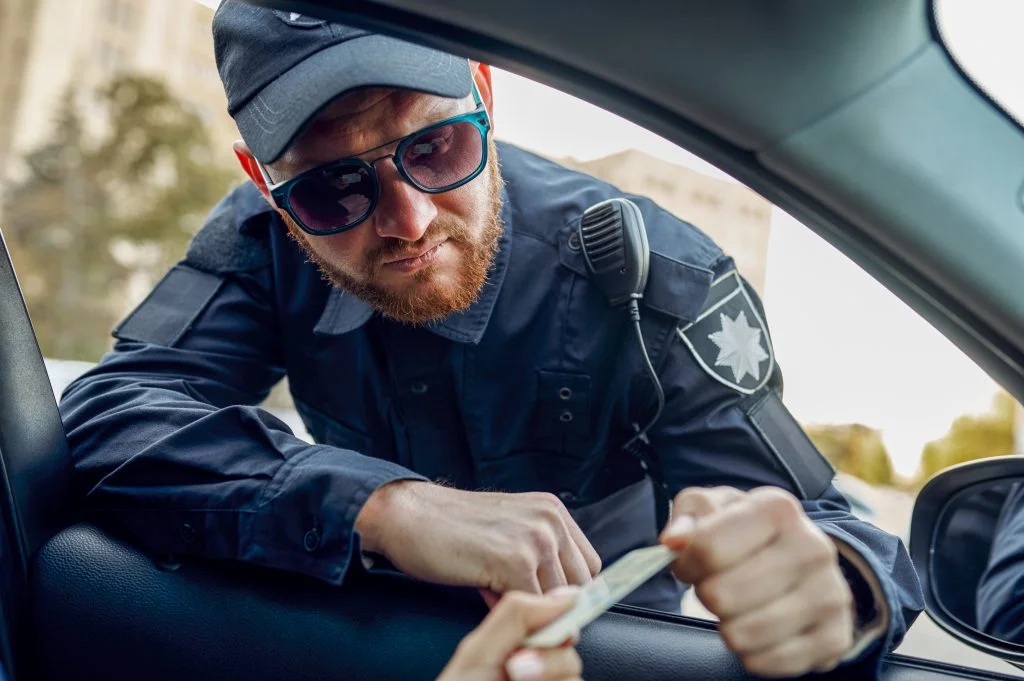
You’re on a rental-car road trip, you’ve got a coffee in the cupholder, the playlist is finally decent, and then, flashing lights in the mirror. Your brain does that annoying thing where it forgets everything you’ve ever known about being a functional adult. Normal.
This isn’t the moment for big speeches or legal debates at the roadside, because the roadside is where misunderstandings get legs and start running. Keep it boring. Keep it calm. Keep it moving toward “have a safe day, officer” as fast as you reasonably can.
The 30-second protocol (do this before you say much)
- Signal, pull over safely, and stop. Not halfway. Not “maybe here.” Fully stopped.
- Hands visible. Steering wheel is the classic move. Passengers keep hands visible too.
- Interior light on at night. Yes, it feels dramatic. Do it anyway.
- Don’t dig for documents while they’re walking up. Wait until you’re asked. Sudden glovebox-rummaging reads badly.
- Window down a bit to talk. If you’re uneasy, you can keep it partially down, just don’t turn it into a standoff.
Then you talk. Briefly.
First thing out of your mouth: a simple question
When people get tangled up in police stops, it’s usually not because they’re “guilty.” It’s because they start free-associating, volunteering details, arguing about fairness, or trying to out-lawyer someone whose whole day is built around asking questions.
Ask this instead: “Hi officer, am I being detained, or am I free to go?” Short. Neutral. No attitude.
If you want a deeper read on the whole “do I actually have to identify myself right now?” confusion (especially for non-driving situations), this breakdown on when police can ask for ID without cause is the kind of thing you should skim before you travel.
Driving stop vs. pedestrian stop: don’t mix them up
If you’re the driver
Driving is the big divider in Canada because the law treats “operating a vehicle” differently than “standing on a sidewalk.” You’re in a regulated activity, and you’ll be expected to play by the document rules.
- Expect to provide: driver’s licence, vehicle registration, proof of insurance.
- Expect basic questions: where you’re headed, whether you’ve been drinking, stuff like that.
Answering every question isn’t automatically mandatory, but fighting about it on the shoulder of the highway is a bad hobby. Keep responses minimal. Don’t narrate your life story.
If you’re a passenger
Passengers panic and start handing over passports like they’re boarding a plane. Slow down.
- You usually don’t have “driver document” obligations. You’re not the one operating the car.
- You can still be questioned. You can still be detained in some situations.
So ask the same question: “Am I being detained?” Then stop talking.
“Random stops” and checkpoints: what you’ll actually see while traveling
Canada isn’t one monolithic system, policing powers and traffic rules vary by province, and you’ll run into different agencies (RCMP in many areas, provincial police like OPP in Ontario or SQ in Quebec, municipal services in cities). That said, two situations are common for travelers.
Traffic stops for an infraction
Speeding, rolling a stop, tint, no front plate where required, whatever. The stop starts as traffic. It can turn into something else if the officer believes there’s more going on.
Don’t argue roadside. Save it for later. You’re not winning a debate next to transport trucks.
RIDE / sobriety checkpoints (Ontario and elsewhere)
If you haven’t seen one before, it can feel like a movie set, cones, flashlights, a line of cars, an officer asking a few quick questions. You’ll be told to roll down the window and may be asked for documents or to do a roadside screening test.
Want the most practical advice here? Don’t get cute. Be polite. Follow instructions. If you’ve been drinking, don’t drive. That’s it.
What you should say (and what you really shouldn’t)
People love the idea of “talking their way out of it,” and sure, sometimes being respectful helps. But talking is also how you accidentally hand over details you didn’t need to share, timelines, admissions, contradictions, the whole messy package.
- Good: “Yes, officer.” “No, officer.” “I’m not sure.” “Am I being detained?”
- Good: “I don’t consent to a search.” (calm voice, normal face)
- Not great: “I only had two.” “I was just checking my phone.” “I’m a really good driver.”
- Terrible: sarcasm, lectures, threats, “I know my rights” speeches.
And here’s the weird truth: you can be perfectly within your rights and still make the situation worse by being theatrical. Don’t be theatrical.
Detained vs. arrested: the two words you need to recognize
Detained means you’re not free to leave, even if you’re not under arrest yet. Arrested means the officer is taking you into custody for an offence. Both matter. A lot.
Use a simple script that doesn’t poke the bear:
- “Am I free to go?”
- “What’s the reason I’m being detained?”
- “I want to speak to a lawyer.”
If they keep asking questions, repeat yourself. Calmly. Like a broken record with good manners.
ID requests: when you should hand it over, and when you can slow the roll
This is where travelers get whiplash because rules at home don’t always map neatly onto Canada, and “a cop asked” sounds like “I have to.” Sometimes you do. Sometimes you don’t. Sometimes you’re better off not turning that moment into a power struggle.
- If you’re driving: you’ll generally be required to provide your licence/registration/insurance when lawfully stopped.
- If you’re not driving: the question becomes whether you’re being detained, and whether there’s a lawful basis for the ID request in that situation.
- If you’re unsure: ask the clean question, “Am I being detained?”, and then ask what you’re required to provide.
Don’t fake amnesia. Don’t hand over extra documents like you’re tipping. Just be deliberate.
Searches: the “consent” trap (bags, car, hotel, your phone)
Police can search in some circumstances without your permission, and they can also ask for permission even when they don’t really have a strong basis. That second one is where people accidentally volunteer their privacy away because they’re nervous and want to look “cooperative.”
Two sentences. Memorize them:
- “I don’t consent to a search.”
- “Am I required to provide that?”
If they search anyway, don’t physically interfere. Don’t grab for your stuff. Don’t block. You can contest legality later. Roadside is not court.
Your phone is not a casual accessory here
Travelers love pulling out their phone to “check something” mid-stop, and officers hate not knowing what you’re reaching for. Ask before you touch it.
And don’t hand over passcodes “just to make it easy.” Easy for who? Not you.
Recording police in Canada: yes, but don’t be an obstacle
In many real-world situations, recording in public is lawful, and lots of officers are already on dash cams or body-worn cameras depending on the service. Still, you can absolutely turn a reasonable moment into a messy one by shoving a phone into someone’s space or refusing basic directions.
- If you record: keep the phone steady, keep your hands visible, and narrate less.
- Don’t interfere: no circling, no stepping toward, no refusing to move when told.
- If asked to stop: ask why, and comply with lawful instructions while you keep yourself safe.
Quiet video beats loud commentary. Every time.
If you’re told to step out of the vehicle
This spikes anxiety fast, especially for tourists who assume it means “I’m in trouble.” Sometimes it’s routine, officer safety, better visibility, a conversation away from passengers. Sometimes it’s not routine. Either way, treat it the same.
- Step out slowly.
- Ask where they want you to stand.
- Keep your hands visible.
- Ask if you’re detained.
No sudden moves. No dramatic sighs. Just comply.
Impaired driving and roadside screening: don’t freestyle
Canada takes impaired driving seriously, and “I didn’t know” doesn’t soften much. You might be asked to do roadside screening with an approved screening device (breath) or face further testing steps if the situation escalates.
Refusing demands in this area can carry serious consequences. Big ones.
If you’ve had alcohol/cannabis/other drugs and you’re about to drive, don’t. Call a ride. Swap drivers. Wait. Sleep. Protect your trip (and everybody else’s night).
If you think the stop is getting weird (or discriminatory)
Some stops feel off. The tone. The questions. The “why are you really asking me that?” vibe. You still don’t fix that by snapping at someone with legal authority and a radio.
Do this instead:
- Stay polite and boring. Give them nothing extra.
- Collect details after: time, location, car number, badge number/name if you can, what was said, who witnessed it.
- Save any video safely. Back it up.
- Use official complaint channels for the province/service later if you choose.
You’re building a clean record, not trying to win a vibe check in the moment.
After the stop: what you should write down while it’s fresh
Your memory will get sloppy within hours, especially if you’re stressed, sleep-deprived, or trying to keep a vacation rolling. So pull over somewhere safe afterward and write a quick log.
- Date/time and exact location (highway number, exit, cross streets)
- Officer’s name/badge (if known), agency (RCMP, OPP, city police)
- What you were asked, and what you answered (as close to exact wording as possible)
- Any searches (what, where, whether you consented)
- Ticket numbers, paperwork, tow/impound info if that happened
- Names/contact info for passengers or witnesses
This takes ten minutes. It can save you days later.
Ticketed vs. charged: don’t treat them the same
A ticket (speeding, minor traffic stuff) is annoying and usually fixable with time, money, or a court date. A criminal charge is a different animal, your travel plans, employment, and ability to cross borders can get complicated fast.
If you were charged, or you signed an undertaking (a promise with conditions), don’t wing it. Follow the conditions exactly. Missing a court date because you “already flew home” is a brutal way to learn how serious Canada is about paperwork.
One last thing (because travelers always ask)
This is general info, not legal advice, and Canada’s rules can shift by province and by the exact facts of the stop. But the best universal move is still the unsexy one: be calm, be clear, don’t volunteer extra, and save the fight for the right venue.
Your trip should be about mountains and good food and arguing over which lake is “the best one,” not about turning a routine stop into a story you’ll hate retelling.