BlitZ
BlitZ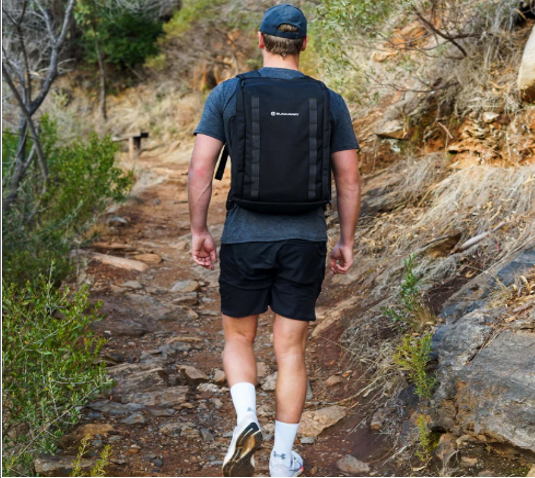
Introduction
For most of human history, movement wasn’t optional, and neither was carrying. People walked long distances while transporting water, food, tools, and supplies as part of daily survival. This constant combination of steady movement and load-bearing shaped the way human bodies evolved: strong legs, resilient joints, capable backs, and efficient cardiovascular systems. Modern life, however, has quietly removed almost all forms of natural carrying. Carts, vehicles, machines, and automation now do the physical work that once kept humans functionally strong. As a result, many people train today in fragmented ways, cardio in one place, strength in another, often disconnected from how the body was designed to move.
Weighted walking, often referred to as rucking, brings those elements back together in a simple, practical way. By adding load to ordinary walking using a rucking backpack or weighted system, the body experiences a blend of endurance training and resistance training at the same time. The heart works harder, muscles engage more deeply, posture changes, and stabilising systems throughout the body are activated. Unlike high-impact activities, this form of training doesn’t rely on speed, jumping, or repetitive joint stress. Instead, it builds fitness through controlled resistance and steady movement, making it accessible to a wide range of people, from beginners to experienced athletes.
What makes rucking particularly valuable is its sustainability. It doesn’t require complex equipment, technical skills, or intense recovery protocols. It fits easily into daily life through neighbourhood walks, trails, hikes, and urban paths, while quietly building strength, endurance, and resilience in the background. Rather than chasing performance metrics alone, it supports long-term physical capacity: the ability to move well, carry loads, and remain physically capable as the body ages. This combination of simplicity, effectiveness, and longevity-focused training is what has made weighted walking increasingly relevant in modern fitness and health conversations.
The Physiology of Carrying Load While Walking (Strength + Cardio in One System)
Walking on its own is primarily an aerobic activity. It strengthens the heart, improves circulation, and supports basic cardiovascular health. But when weight is added, the physiological demands change significantly. Muscles are no longer just moving the body forward, they are now stabilising additional load, managing posture, and generating force with every step. This transforms a simple movement pattern into a full-body training stimulus.
This type of load-bearing movement is increasingly being supported by purpose-built equipment designed specifically for walking-based training, such as structured weighted packs and ergonomically balanced systems. For those training locally, choosing the right rucking backpack can play a key role in safe load distribution, comfort, and long-term joint protection. When load is applied intelligently, the body adapts in a coordinated, integrated way rather than compensating through poor mechanics.
Key systems activated during weighted walking include:
- Lower body musculature: glutes, quadriceps, hamstrings, calves
- Core stabilisers: deep abdominal muscles, obliques, spinal stabilisers
- Upper body support muscles: shoulders, upper back, traps
- Postural systems: neck, thoracic spine, pelvic alignment muscles
From a cardiovascular perspective, the heart must pump more blood to working muscles, oxygen demand increases, and breathing becomes more controlled and rhythmic. Unlike high-intensity cardio, this demand builds steadily rather than spiking aggressively, allowing the body to adapt without excessive strain.
From a strength perspective, the load creates constant low-level resistance. This is not maximal lifting, but long-duration resistance, which improves muscular endurance, joint stability, and connective tissue strength. Over time, this leads to:
- Improved muscular resilience
- Better load tolerance
- Increased joint support
- Stronger postural muscles
- Enhanced balance and coordination
This dual adaptation, cardiovascular conditioning and muscular strengthening, is what makes weighted walking physiologically unique. It does not separate fitness systems, it integrates them. Instead of training the heart in isolation and muscles in isolation, the body learns to function as a coordinated system under load, which mirrors real-world physical demands.
This integrated stress pattern is also easier to recover from compared to high-impact training. There is less joint compression, less impact force, and fewer rapid deceleration forces, making it more sustainable for long-term training and for aging bodies that require conditioning methods focused on resilience rather than repeated physical breakdown.
Longevity Training: Why Load-Bearing Movement Supports Healthy Aging
Longevity-focused training is not about peak performance, it’s about preserving physical capacity over decades. The ability to walk comfortably, carry objects, maintain balance, and tolerate physical stress becomes more important with age than speed, aesthetics, or maximal strength numbers. Weighted walking directly supports these goals because it trains the body in ways that reflect real-life demands rather than gym-specific movements.
As people age, three major declines tend to occur:
- Loss of muscle mass (sarcopenia)
- Loss of bone density
- Reduced cardiovascular capacity
Load-bearing walking addresses all three simultaneously. The added resistance stimulates muscle tissue, helping preserve lean mass. The weight creates mechanical stress through the skeleton, supporting bone density maintenance. At the same time, the sustained movement challenges the cardiovascular system in a controlled, progressive way.
Unlike high-impact training methods, this stress is distributed across the body rather than concentrated in joints. This makes it safer and more sustainable for long-term practice. Instead of pushing intensity through speed or impact, intensity is created through controlled resistance and duration.
Another longevity benefit is movement economy: the body becomes more efficient at producing force, managing fatigue, and maintaining posture under stress. Over time, this translates into better daily function: easier stair climbing, improved balance, stronger carrying capacity, and reduced fall risk.
This kind of training also aligns with the concept of functional reserve, the idea that physical capacity acts as a buffer against illness, injury, and aging-related decline. When the body is trained to tolerate load and movement together, everyday physical tasks require less relative effort. What once felt demanding becomes manageable, and what feels manageable becomes easy.
Longevity is not built through extremes. It is built through repeatable, sustainable habits that gently challenge the body without breaking it down. Weighted walking fits into that model by providing consistent, moderate stress that builds resilience rather than fragility.
Joint Health and Low-Impact Conditioning
One of the biggest barriers to long-term fitness is joint pain. Knees, hips, ankles, and lower backs often become limiting factors long before cardiovascular capacity does. High-impact activities place repeated stress through these structures, often accelerating wear rather than supporting joint longevity.
Weighted walking changes the loading pattern in a fundamental way. Instead of high-impact forces, the joints experience controlled compressive loading. This type of stress actually supports joint health by:
- Strengthening connective tissues
- Improving joint stability
- Enhancing proprioception (body awareness)
- Supporting cartilage nutrition through movement
Because movement speed is controlled, forces are distributed more evenly across joints. There is no explosive loading, no sudden deceleration, and no repetitive pounding. This makes it accessible for people who cannot tolerate running or jumping but still want meaningful physical conditioning.
Low-impact does not mean low-effort. Load-bearing movement increases muscular demand without increasing joint trauma. The muscles absorb much of the stress that would otherwise be transferred directly to joints, creating a protective effect over time.
This makes weighted walking particularly valuable for:
- Individuals with previous joint injuries
- People returning to training after long breaks
- Those managing chronic joint discomfort
- Older adults seeking safe conditioning methods
- Active individuals looking for recovery-friendly training options
Instead of replacing movement with rest, this approach allows people to continue training in a way that supports joint integrity rather than degrading it.
Metabolic Health and Energy Regulation
Beyond strength and cardio, weighted walking influences metabolic health in subtle but powerful ways. Carrying load increases energy expenditure while preserving muscle tissue, which plays a critical role in long-term metabolic function.
Muscle acts as a metabolic engine. The more muscle tissue the body maintains, the more efficiently it regulates blood sugar, insulin sensitivity, and energy balance. Load-bearing walking provides enough resistance to stimulate muscle preservation without the recovery cost of heavy lifting programs.
This leads to benefits such as:
- Improved insulin sensitivity
- Better blood glucose control
- Higher daily energy expenditure
- Enhanced fat metabolism
- More stable energy levels throughout the day
Unlike high-intensity training that can spike stress hormones, this form of movement creates a steady metabolic demand without excessive physiological stress. This supports hormonal balance and nervous system regulation, making it easier to sustain long-term.
Metabolic health is not built through short bursts of extreme effort. It is built through consistent, repeatable movement that the body can adapt to over time. Weighted walking fits this model by creating daily or weekly metabolic stimulation that compounds gradually rather than aggressively.
Nervous System Adaptation and Mental Resilience
Physical training is not only muscular or cardiovascular, it is neurological. Every movement pattern the body performs is coordinated by the nervous system. Walking with a weighted backpack creates a unique form of neurological training because it requires the brain and body to manage balance, posture, rhythm, breathing, and load simultaneously.
When carrying weight while walking, the nervous system must constantly adjust:
- Step length and movement timing
- Foot placement and balance control
- Core engagement and postural alignment
- Breathing rhythm and movement efficiency
These micro-adjustments strengthen neuromuscular coordination, the communication between brain and muscles. Over time, this leads to smoother movement patterns, better balance, and improved stability in everyday activities.
There is also a psychological component. Carrying load over distance builds mental endurance. It requires patience, rhythm, and controlled effort rather than bursts of intensity. This trains focus, stress tolerance, and emotional regulation in ways that high-adrenaline workouts often do not.
Weighted walking is repetitive, rhythmic, and predictable. These qualities create a calming effect on the nervous system while still providing physical challenge. Many people experience it as mentally grounding rather than overstimulating, making it psychologically sustainable.
This balance between stimulation and regulation is important for long-term health. Chronic high-intensity training can overload the nervous system, leading to fatigue, burnout, and reduced motivation. Load-bearing walking provides a steady, manageable stimulus that supports consistency rather than exhaustion.
Mental resilience is built through manageable discomfort, not overwhelming stress. Weighted walking creates that middle ground, challenging enough to build strength, calm enough to sustain over time.
Functional Movement Carryover into Daily Life
One of the most important benefits of weighted walking is transferability, how well training improves real-world physical ability. Many exercise methods improve gym performance but fail to translate into everyday function. Load-bearing movement is the opposite: it directly mirrors daily physical demands.
Real life requires:
- Carrying and lifting objects
- Walking long distances
- Managing fatigue throughout the day
- Maintaining posture under load
- Navigating uneven surfaces
- Standing and moving for extended periods
Weighted walking trains these capacities simultaneously. The body learns to move efficiently while carrying weight, maintain stability under fatigue, and preserve posture under stress.
This creates functional strength, not just isolated muscle development. Strength becomes usable, practical, and transferable rather than compartmentalised into specific exercises.
Over time, daily movement becomes easier. Physical fatigue reduces, posture improves, and the body becomes more resilient to routine physical stress. Functional fitness is not about mastering exercises, it is about mastering movement. Weighted walking builds movement capacity rather than exercise capacity, which is why it has such strong real-world relevance.
Lifestyle Integration and Sustainability
One of the most overlooked aspects of fitness is integration. Training methods that require complex setups, long gym sessions, or rigid schedules often fail not because they are ineffective, but because they are unsustainable. Walking with a weighted pack integrates naturally into daily life, making it an easy way to combine movement with routine activities. Using a properly designed rucking backpack allows you to add resistance without disrupting your normal schedule or comfort, providing a simple yet effective way to build strength and endurance. It does not require specialized environments, complex programming, or time-consuming preparation.
You can carry extra weight on neighbourhood walks, trails, urban paths, or even during your daily commute, allowing fitness to blend seamlessly with everyday tasks. This activity can be done alone for focused exercise or combined with other forms of movement, such as hiking, brisk walking, or casual strolls with family. Its flexibility encourages consistency, which is the cornerstone of long-term progress. Small, repeatable efforts, like daily walks with added resistance, often produce better results than sporadic, intense workouts. Over time, these small steps accumulate, improving endurance, strength, and cardiovascular health without overwhelming the body.
Recovery is another key advantage. Because the stress is moderate and controlled, your muscles and joints recover faster compared to high-impact or high-intensity workouts. This enables more frequent sessions, reduces the risk of injury, and fosters a positive relationship with exercise. Long-term fitness is not built through cycles of motivation and burnout; it is cultivated through habits that fit naturally into daily life. Integrating weighted walking into your routine is simple, adaptable, and repeatable, helping you maintain a sustainable practice while steadily building strength, stamina, and overall health.
Practical Application and Safe Progression
The effectiveness of weighted walking does not come from intensity, it comes from consistency and intelligent progression. Adding load to walking should enhance movement quality, not compromise it. The goal is not to make walking harder at any cost, but to make it more physiologically productive while preserving joint health and movement integrity.
Progression should always follow adaptation. The body needs time to adjust to load through the joints, connective tissues, muscles, and nervous system. When weight increases too quickly, the risk shifts from conditioning to compensation. Poor posture, altered gait, and joint strain are signs that progression is outpacing adaptation. Adding weight should be done in 5 kg increments, with adjustments to distance, pace, or terrain difficulty to maintain safe progression.
A safe and sustainable approach focuses on three principles:
- Gradual load increase rather than sudden jumps
- Movement quality over distance or speed
- Postural integrity throughout the session
The purpose of load is to create resistance, not distortion. Walking mechanics should remain natural, upright, and controlled. If form deteriorates, the stimulus is no longer productive. Duration matters as much as load. Long, steady efforts build endurance and structural resilience, while shorter sessions build strength tolerance. Both have value, but neither should come at the cost of movement quality.
The most effective systems are simple. Progress comes from repeating manageable stress over time, not chasing extremes.
Long-Term Training Philosophy
Weighted walking is not a “program” in the traditional sense; it is a movement practice. Its true value lies not in a single intense session, but in how well it integrates into daily life over months and years. Unlike short-term fitness trends that chase visible results, speed, sweat, or exhaustion, a longevity-focused approach emphasizes resilience, durability, and sustainability. Weighted walking embodies this philosophy perfectly, quietly building physical capacity in a consistent, manageable way rather than relying on dramatic bursts of effort.
Over time, practicing weighted walking develops several core qualities:
- Structural Strength: Carrying load while walking reinforces muscles, connective tissues, and bone density throughout the body. This is not about bulking up; it is about building strength that supports everyday movement and protects against injury.
- Cardiovascular Efficiency: Even at a moderate pace, weighted walking challenges the heart and lungs continuously. Unlike short, high-intensity bursts, this steady workload improves endurance, oxygen delivery, and energy utilization over time.
- Load Tolerance: By regularly carrying weight, the body adapts to handle external stress without fatigue or breakdown. This develops practical strength that translates to daily activities.
- Movement Resilience: Weighted walking requires coordination, balance, and postural awareness. Each step under load teaches the nervous system to adjust and adapt.
- Functional Endurance: Unlike isolated gym exercises, weighted walking trains multiple systems simultaneously, muscular, cardiovascular, and nervous.
- Joint Stability: Supporting weight through controlled movement strengthens ligaments, tendons, and joint-surrounding muscles.
- Postural Integrity: Carrying weight encourages proper alignment of the spine, shoulders, and hips.
These qualities do not peak quickly, but they last longer than short-term performance gains. Weighted walking is training that supports aging rather than fights it, preparing the body for real-world demands rather than gym-specific metrics.
Conclusion
Weighted walking reconnects modern fitness with one of the most fundamental human movement patterns: carrying while moving. It uniquely blends cardiovascular conditioning with strength development in a way that feels natural rather than forced, turning a simple walk into a full-body, functional workout. By combining load and locomotion, it trains the body as an integrated system instead of isolating muscles or performance metrics. Every step under load reinforces posture, core stability, balance, and coordination, creating a movement practice that transfers seamlessly into daily life.
Its greatest strength lies in simplicity. There is no need for complex programming, high-tech equipment, or extreme stress, just consistent, mindful movement under manageable load. This makes weighted walking accessible and repeatable for all ages, fitness levels, and lifestyles. The low-impact nature of the practice also reduces injury risk while supporting recovery, making it sustainable over the long term.
More importantly, weighted walking supports longevity by targeting the systems that matter most for enduring health. Joints, bones, muscles, cardiovascular function, posture, and the nervous system all benefit simultaneously, producing strength and resilience that extend beyond the gym. It is functional, not cosmetic, building capability that improves real-world performance, whether carrying groceries, hiking, or moving through a busy day.
In a world crowded with complicated, time-consuming, or high-intensity fitness trends, weighted walking stands out for its practicality and efficiency. It complements other forms of training rather than replacing them, bridging the gap between strength, endurance, and daily functionality. Its rhythmical, repetitive nature also fosters mental resilience, focus, and stress tolerance, creating benefits that are both physical and psychological.
Ultimately, the power of weighted walking is not measured by intensity or calories burned, but by how well it prepares the body for life itself. Movement becomes easier, carrying becomes manageable, fatigue becomes tolerable, and confidence in your physical capabilities grows. Over time, this simple practice transforms the body into a more durable, capable, and resilient system, one that supports long-term health, functional independence, and the freedom to move without limitation.