Khizar Seo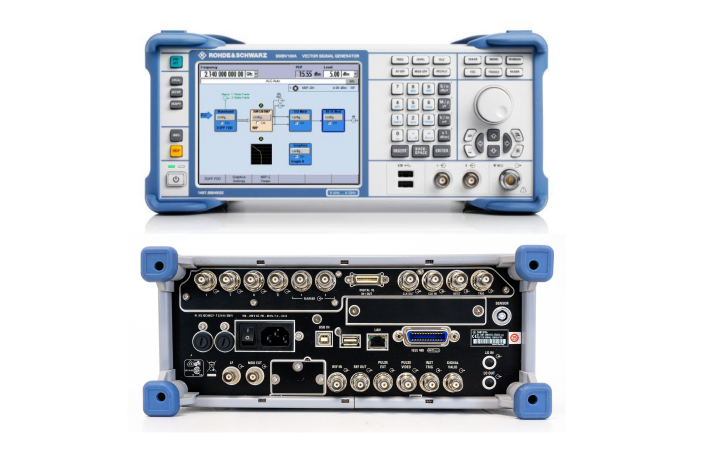
Understanding how to use a signal generator can significantly improve your ability to test, design, and troubleshoot electronic circuits. A signal generator is a key tool in electronics and telecommunications, providing various test signals for analysis. These devices can produce a wide range of frequency waveforms, from simple sine waves to complex modulation patterns, allowing engineers, technicians, and hobbyists to evaluate the performance of electronic devices accurately. Mastering their use ensures better circuit design, faster troubleshooting, and reliable testing outcomes.
What Is a Signal Generator?
A signal generator is an electronic device designed to produce electrical signals over a wide range of frequencies. These signals can include sine waves, square waves, triangle waves, and more complex modulated forms. Signal generators play a critical role in designing, testing, troubleshooting, and repairing electronic devices by simulating real-world electrical inputs.
They are widely used across various industries, including telecommunications, audio and video broadcasting, and consumer electronics. By simulating the inputs that devices encounter in real-life scenarios, signal generators help engineers understand how circuits will behave under different conditions. This ensures the devices are reliable, efficient, and perform as intended. Here’s how to use a signal generator: select the desired waveform, set the frequency and amplitude, connect it to the device under test, and observe the response to verify proper performance.
Types of Signal Generators
Different types of signal generators exist to meet specific needs and applications. Function generators are commonly used to produce basic waveforms such as sine, square, and triangle waves. These are ideal for testing audio circuits or general-purpose electronics.
RF (radio frequency) signal generators produce continuous wave signals across a broad range of radio frequencies. These devices are essential for designing and testing RF circuits, including transmitters, receivers, and communication modules.
Arbitrary waveform generators are more advanced and allow the creation of user-defined waveforms beyond standard sine, square, or triangle signals. Their versatility makes them suitable for complex testing scenarios and specialized research applications.
Pulse generators are designed specifically to generate rectangular pulses. They are widely used in digital circuit testing, timing experiments, and logic design verification.
Audio signal generators produce signals within the audible frequency range. They are commonly used for testing speakers, amplifiers, microphones, and room acoustics, providing precise control over frequency and amplitude to assess sound performance.
Setting Up a Signal Generator
Using a signal generator effectively starts with proper setup. Connect the device to a suitable power source—most laboratory units use standard AC mains, while some portable models use batteries. Then, attach the appropriate output cable (BNC, XLR, or other, depending on your application) securely to avoid signal loss or interference.
Connect the other end of the cable to the input of the device under test (DUT). All connections should be tight and secure to avoid unwanted noise or weak signals.
In some precision applications, the signal generator may include a reference clock input to synchronize with an external time base. This feature is particularly useful for high-frequency or timing-sensitive circuits.
Configuring the Signal Generator
Once the setup is complete, configuring the generator for your specific application is the next step. Begin by selecting the appropriate waveform. Audio testing typically uses sine waves, while digital circuits often require square or pulse waveforms.
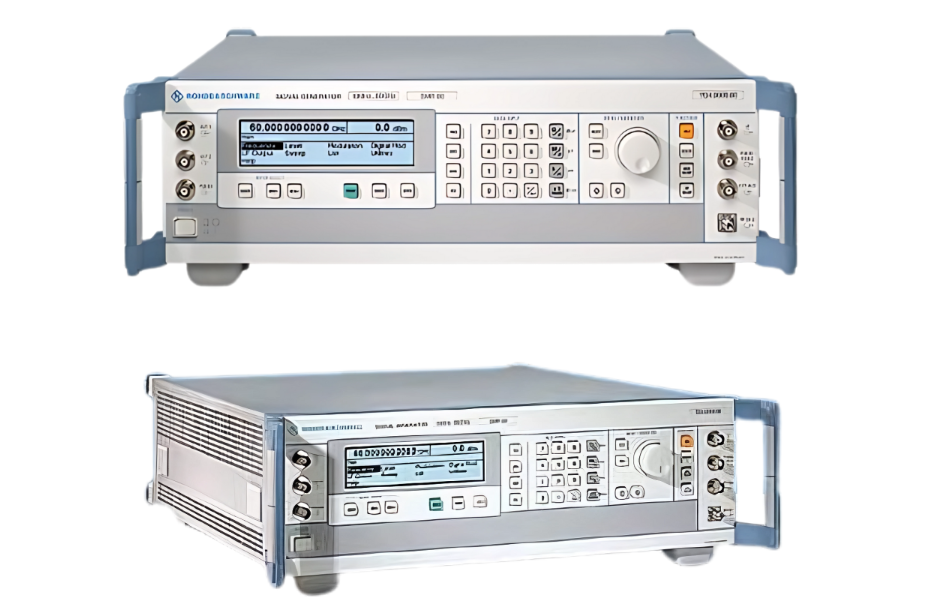
Set the desired frequency for the signal. Most signal generators allow fine adjustments to frequency, providing precision testing capabilities. The chosen frequency should match the operating conditions of the device being tested.
Adjust the amplitude to the level required by your application. It is crucial to avoid exceeding the maximum rating of the DUT, as too high an amplitude can damage sensitive components.
Select the correct load impedance on the generator, which typically aligns with common values of 50 ohms or 600 ohms for RF and audio applications. This ensures proper signal transmission and avoids distortion.
If modulation is required, configure the appropriate settings for amplitude modulation (AM), frequency modulation (FM), or phase modulation (PM). Each application may require specific modulation parameters to simulate real-world signals accurately.
Calibration and Verification
To ensure accurate and reliable results, regular calibration and verification of the signal generator are necessary. Calibration ensures that the device produces precise frequencies and amplitudes. This may involve sending the generator to a certified calibration lab or using built-in self-calibration features if available.
Verify the output using an oscilloscope or frequency counter. This step confirms that the waveform, frequency, and amplitude match the intended settings.
Additionally, check for excess noise or unintended signals in the output. Noise can distort test results and reduce the reliability of measurements. Minimizing noise is essential, especially in sensitive RF or audio testing.
Safety Measures
Working with signal generators requires attention to safety to protect both equipment and personnel. Avoid overloading the DUT by keeping amplitude and frequency within safe limits. Excessive signals can damage sensitive components.
Follow standard static discharge precautions when handling connections, as static electricity can harm electronic circuits. Using anti-static mats or wrist straps is recommended when working with sensitive devices.
Ensure adequate ventilation if the signal generator operates at high power. Overheating can damage the generator and may pose safety hazards, so positioning the device in a well-ventilated area is important.
Applications of Signal Generators
Signal generators are versatile tools used in a variety of practical applications. They are essential in testing and troubleshooting, simulating the signals a device will encounter in real-world operation. This allows engineers to identify issues before they become serious problems.
In education and research, signal generators provide students and researchers with hands-on experience in electronics design, testing, and measurement. They allow experimentation with real signals in controlled environments.
Audio engineers rely on signal generators to test equipment and study acoustics. They can produce precise sound waves to evaluate speakers, amplifiers, microphones, and room response, ensuring optimal sound quality.
In telecommunications, signal generators are critical for developing and evaluating communication systems. They allow engineers to design, test, and validate devices to ensure reliable signal transmission and reception under various conditions.
Signal generators are indispensable in electronics, research, education, and industry. Understanding their proper use empowers engineers and technicians to explore new technologies, optimize designs, and achieve precise results. Mastery of signal generators opens opportunities to improve testing procedures, develop more reliable electronics, and contribute to innovation across multiple fields.
Conclusion
A signal generator is more than just a test device—it is a gateway to better circuit design, precise troubleshooting, and advanced research. By understanding its types, setup, configuration, and applications, users can maximize the device’s potential. Regular calibration, careful handling, and proper safety measures ensure consistent and accurate performance.
Whether used in audio engineering, telecommunications, digital electronics, or educational labs, signal generators provide the foundation for high-quality testing and development. Learning to use them effectively allows engineers and students alike to push the boundaries of technology and innovation, turning complex electronic concepts into practical, reliable, and real-world solutions.