Khizar Seo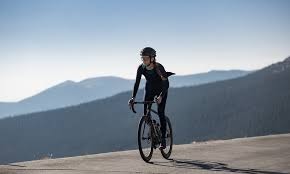
Why Winter Canyon Cycling Demands Extra Caution
Colorado’s canyons are stunning in winter. Snow-dusted cliffs, quiet roads, and crisp mountain air attract cyclists looking for something beyond the usual ride. But winter canyon cycling is not forgiving. Small miscalculations—especially in cold, shaded terrain—can quickly turn a ride into a struggle or even a safety risk.
Understanding the most common mistakes cyclists make is the fastest way to ride smarter, safer, and more confidently in winter canyon conditions.
Mistake #1: Underestimating Canyon Weather Changes
One of the biggest mistakes cyclists make is assuming canyon weather behaves like city weather. It doesn’t.
Temperatures inside Colorado canyons can drop suddenly, even on sunny days. Shade from canyon walls keeps ice on the road far longer than expected, and wind funnels through narrow sections with surprising force.
How to Avoid It
- Check hourly forecasts, not just daily highs
- Expect colder conditions at higher elevations
- Plan for wind exposure, especially in narrow canyon sections
- Ride later in the morning when sunlight has warmed the road
If you’re planning routes or researching terrain, the Colorado canyon overview is a good starting point for understanding canyon conditions and elevation changes.
Mistake #2: Wearing the Wrong Winter Cycling Apparel
Many riders overdress, while others don’t dress enough. Both are problems.
Overheating causes sweat buildup, which quickly turns into chilling cold when you slow down or descend. On the other hand, inadequate insulation leads to numb fingers, stiff joints, and poor reaction time.
How to Avoid It
Use a smart layering system:
- Thermal base layer for moisture control
- Insulated mid-layer for warmth
- Windproof outer layer for canyon gusts
Don’t forget:
- Insulated gloves
- Neck gaiter or balaclava
- Toe covers or winter socks
Choosing proper cycling apparel & accessories designed for cold-weather riding makes a massive difference in comfort and safety. Well-designed winter gear helps regulate body temperature instead of trapping sweat.
Mistake #3: Ignoring Shaded Ice Patches
One of the most dangerous winter canyon mistakes is trusting dry pavement too much.
In Colorado canyons, shaded corners—especially north-facing walls—can hide black ice even when the rest of the road looks clear. Many crashes happen when riders carry too much speed into these sections.
How to Avoid It
- Slow down before corners, not during
- Stay alert in shaded stretches
- Avoid aggressive leaning in winter
- Keep both hands on the bars at all times
Rule of thumb: If you can’t see direct sunlight on the road, assume it may be slick.
Mistake #4: Riding Too Early in the Morning
Early morning rides are popular in summer—but in winter, they’re risky in canyon environments.
Cold air settles overnight, roads stay frozen longer, and visibility is lower. Even experienced cyclists can struggle with frozen bottles, stiff muscles, and limited reaction time.
How to Avoid It
- Start rides between 10:30 AM and 1:30 PM
- Let sunlight melt overnight ice
- Benefit from slightly warmer air temperatures
- Improve visibility for drivers and other riders
Winter canyon cycling rewards patience, not early starts.
Mistake #5: Using Summer Tire Pressure and Setup
Tires that work perfectly in summer may fail in winter.
High tire pressure reduces traction on cold pavement. Narrow tires struggle on slushy shoulders and icy edges, especially in canyon descents.
How to Avoid It
- Lower tire pressure slightly for better grip
- Use wider tires (30–35mm if possible)
- Check brake pads more frequently
- Clean drivetrain after salty or slushy rides
Your bike setup should adapt to the season, not stay the same year-round.
Mistake #6: Forgetting About Hydration and Fuel
Cold weather tricks your body into thinking you don’t need fuel or water. That’s a dangerous illusion.
Dry winter air dehydrates you faster, and your body burns more calories trying to stay warm—especially during climbs.
How to Avoid It
- Use insulated bottles to prevent freezing
- Drink small amounts every 15–20 minutes
- Carry calorie-dense snacks that won’t freeze
- Eat before you feel hungry
Many winter canyon riders bonk not from effort—but from neglecting fuel.
Mistake #7: Not Using Lights in Canyon Terrain
Some canyon sections remain dim even at midday. Winter sun sits lower, shadows are longer, and drivers may not expect cyclists in colder months.
How to Avoid It
- Use a front light with steady beam
- Run a rear flashing light at all times
- Choose reflective winter apparel
- Avoid dark-colored kits in low-light canyons
Being visible is just as important as being warm.
Mistake #8: Riding Alone Without a Backup Plan
Winter canyon cycling adds an extra layer of risk. A mechanical issue, sudden weather change, or minor fall can become serious if you’re isolated.
How to Avoid It
- Share your route and live location
- Ride with a partner or group when possible
- Carry a phone with full battery
- Bring a compact emergency layer
Even experienced riders should respect winter isolation in canyon environments.
Mistake #9: Overestimating Fitness in Cold Conditions
Cold air affects breathing, pacing, and muscle response. Riders often push too hard early and struggle later, especially on climbs.
How to Avoid It
- Warm up longer than usual
- Reduce intensity on early climbs
- Focus on steady pacing, not speed
- Accept slower average speeds
Winter canyon rides are about endurance and control—not chasing personal records.
Mistake #10: Skipping Post-Ride Recovery
Cold muscles tighten faster. Many riders finish a winter canyon ride and immediately stop moving, which leads to stiffness and soreness.
How to Avoid It
- Change out of wet clothes quickly
- Do light movement after the ride
- Stretch hips, calves, and lower back
- Rehydrate with warm fluids
Good recovery ensures your next winter ride feels just as strong.
Final Thoughts
Winter cycling in Colorado canyons is one of the most rewarding riding experiences—but only if approached with respect and preparation. Most mistakes aren’t dramatic; they’re small oversights that compound in cold, shaded terrain.
By understanding canyon-specific weather, choosing the right gear, adjusting your riding habits, and respecting winter conditions, you can ride confidently and safely all season long.