Khizar Seo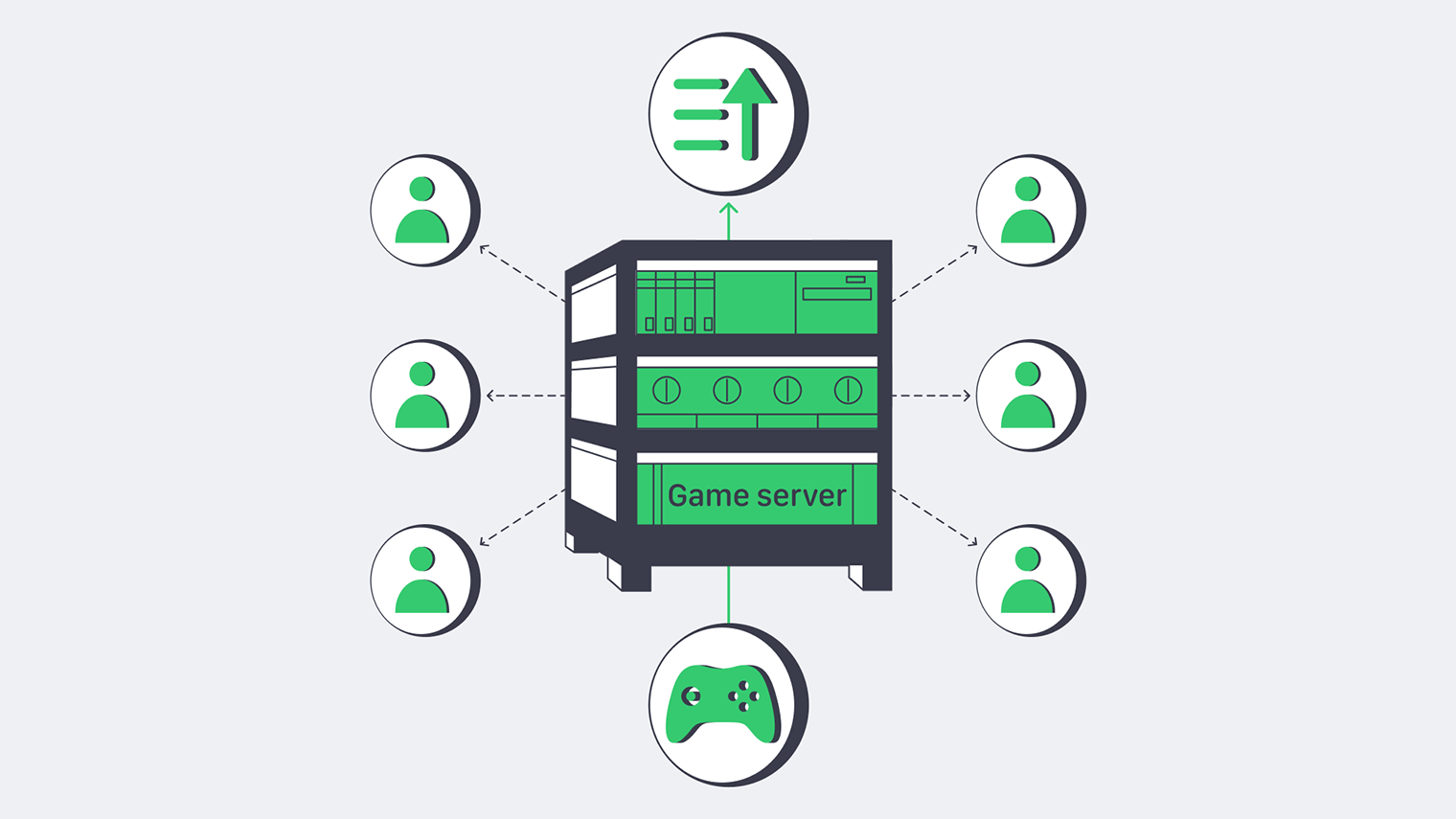
Introduction
Setting up a dedicated game server can be an exciting venture for gaming enthusiasts. It offers the opportunity to customize gameplay, improve server speed, and provide a unique experience for players. However, before diving into the setup process, it’s important to consider several factors to ensure everything aligns with your gaming goals and budget. From understanding the nuances of gaming servers to evaluating hardware essentials, this guide will walk you through the key considerations to keep in mind.
Understanding Gaming Servers
What Is a Gaming Server?
A gaming server is a host dedicated to running gaming software, providing players with a platform to connect and interact in a multiplayer environment. Unlike a desktop or laptop that you use for playing games, a gaming server focuses on managing network data, computations, and communication among players, usually offering a more stable and customizable gameplay experience.
Different Types of Gaming Servers
Gaming servers come in various types, each tailored to different gaming needs and environments. Public servers are accessible to anyone and are typically hosted by game developers for larger communities. Private servers, on the other hand, require an invitation or login, offering a more controlled environment with customized settings. Lastly, peer-to-peer servers distribute game hosting across players’ devices, which is cost-effective but can vary in performance. Each type serves a specific purpose, depending on the level of control, security, and community you wish to maintain.
Key Considerations Before Setup
Assessing Your Game Hosting Needs
Before diving into setting up your gaming server, it’s crucial to assess your hosting needs thoroughly. Begin by identifying the type of games you want to host, as this will dictate specific server requirements such as computing power and available bandwidth. Consider the number of players you aim to support simultaneously, ensuring your server can handle peak loads without compromising performance. It’s also vital to think about whether you want to offer mods or customizations, as this will affect your server’s flexibility and required storage capacity. Clearly understanding your gaming objectives will streamline the process of choosing the right server setup.
Evaluating Performance Requirements
When evaluating performance requirements for your gaming server, focus on key metrics such as CPU power, RAM capacity, and internet bandwidth. High-performance CPUs are essential for handling complex calculations and maintaining smooth gameplay. Adequate RAM ensures quick data access and minimal latency, which is crucial for multiplayer games. A reliable and fast internet connection with ample upload and download speeds is necessary to support multiple concurrent players. Consider game-specific demands as well, such as those required for graphics-intensive titles versus more straightforward games. Tailor your server’s performance capabilities to provide a seamless experience for all players involved.
Dedicated game servers demand consistent performance. Rather than managing local hardware, you can launch a Factorio server on Kamatera with flexible cloud resources, easy connection protocols, and instant scaling.
Deciding on Server Location and Latency
Choosing the right server location is crucial as it directly impacts latency, or the delay players experience during gameplay. To ensure optimal performance, select a server location that is geographically close to the majority of your players. This proximity reduces lag, providing a smoother and more responsive gaming experience. It’s also wise to consider the infrastructure quality of the chosen region, as areas with better internet facilities will further enhance server reliability. If you have a global player base, implementing a network of distributed servers can help minimize latency issues across different continents.
Hardware and Software Essentials
Choosing the Right Hardware Components
Selecting the right hardware components is foundational to building a robust gaming server. Start with a powerful, multi-core CPU that can handle the demands of complex game mechanics and multiple players. Invest in ample RAM—typically 16GB to 32GB—to facilitate fast data processing and prevent bottlenecks. For storage, opt for SSDs over traditional HDDs, as they provide faster load times and better reliability. A high-quality motherboard with room for future upgrades ensures longevity and adaptability. Lastly, prioritize a reliable power supply unit and cooling system to maintain server stability under continuous use.
Selecting Suitable Operating Systems
Choosing a suitable operating system (OS) for your gaming server is pivotal for performance and ease of management. Linux distributions, such as Ubuntu or CentOS, are popular choices due to their stability, security features, and cost-efficiency; they also offer extensive customization options and community support. Windows Server, on the other hand, provides a more user-friendly interface and is often preferred for its compatibility with various gaming software and tools. Consider the server’s specific needs, technical expertise required, and existing game software requirements when making your OS decision.
Importance of User-Friendly Control Panels
A user-friendly control panel simplifies server management and enhances your overall gaming server experience. Control panels offer graphical interfaces to handle various administrative tasks, such as configuring settings, monitoring performance, and managing player permissions, without needing complex command-line input. Popular options like cPanel and Plesk provide intuitive dashboards with extensive features, making server navigation straightforward even for beginners. Investing in an easy-to-use control panel bridges the gap between technical knowledge and practical server management, allowing you to focus on the gaming experience rather than technical hurdles.
Budgeting for Your Gaming Server
Cost Considerations and Budget Planning
Effective budget planning for your gaming server involves balancing performance needs with financial constraints. Begin by outlining essential components and services, such as hardware, software licenses, and continuous maintenance. Factor in recurring costs like electricity and internet fees, too. Decide whether to host on-premises or opt for cloud-based solutions, as each has different pricing structures. Be sure to account for any potential upgrades and sudden expenditure needs. Understanding your financial limits and the long-term commitments will help allocate resources wisely, ensuring you get the best from your investment.
Comparing Hosting Options and Prices
When comparing hosting options for your gaming server, consider the three main types: shared, dedicated, and cloud hosting. Shared hosting is budget-friendly but limits resources, impacting performance under high load. Dedicated hosting gives exclusive access to server resources, ensuring top performance, but at a higher cost. Cloud hosting offers flexible scalability with pay-as-you-go pricing, suitable for unpredictable workloads. Analyze each option alongside your budget and performance requirements to identify the best fit. Checking pricing plans and factoring in hidden costs or discounts will help in making a financially sound decision.
Security and Maintenance
Implementing Robust Security Measures
Implementing robust security measures is vital to protect your gaming server from unauthorized access and attacks. Start by installing a reliable firewall and regularly updating it to block malicious traffic. Employ strong, complex passwords and change them frequently to mitigate the risk of brute force attacks. Enable Secure Sockets Layer (SSL) encryption to safeguard data exchange between the server and players. Additionally, regularly update all server software to patch vulnerabilities and consider employing a DDoS protection service to defend against denial-of-service attacks. Regularly auditing server logs can also help detect suspicious activities early.
Regular Maintenance Practices
Regular maintenance practices ensure your gaming server runs smoothly and efficiently over time. Schedule routine updates for your server’s operating system, software, and security tools to keep them up-to-date with the latest features and defenses. Regularly monitor server performance metrics like CPU usage, memory consumption, and network traffic to identify and resolve any potential issues proactively. Back up server data frequently to secure game progress and settings against data loss. Cleaning physical components, such as dusting internal parts, maintains hardware longevity and reliability. Establishing a consistent maintenance schedule will contribute significantly to server stability.
Ensuring Scalability and Customization
Looking for Scalable Solutions
Scalability is crucial as your player base grows or game demands fluctuate. Look for server solutions that allow easy hardware upgrades, such as adding more RAM or increasing storage capacity. Ensure your chosen software can handle increased player loads and provides seamless integration with additional resources. Cloud-based servers offer excellent scalability through on-demand resources, allowing you to adjust performance capabilities effortlessly. Utilizing load balancing in distributed server architectures helps manage traffic efficiently, enabling smooth gameplay as your server scales. Identifying scalable options early on prepares you for future growth without major overhauls.
As digital transformation reshapes marketing and brand competition in gaming spaces, understanding what’s next for gaming tech becomes essential for both developers and marketers navigating this evolving landscape.
Exploring Customization Capabilities
Exploring customization capabilities on your gaming server can dramatically enhance gameplay and user experience. Choose server software that supports modding, allowing you to tweak game mechanics, environments, and character interactions to fit your community’s preferences. Consider implementing plugins and add-ons that provide additional functionalities like new game modes or administrative tools. Ensure that your server offers flexible configuration options, enabling adjustments in performance settings as needed. A server that supports extensive customization fosters a unique and engaging experience, attracting players who appreciate personalized gaming landscapes.
FAQs
What are the benefits of hosting your own gaming server?
Hosting your own gaming server offers greater control over game settings, enabling customization to suit your preferences and community. It ensures better performance by allocating resources effectively and provides privacy and security due to controlled access. You can also create a tailored play environment and potentially monetize your server, offering an immersive experience unique to your brand or community.
How do you ensure optimal performance for a gaming server?
To ensure optimal performance for a gaming server, select powerful hardware with a high-performance CPU, ample RAM, and fast SSD storage. Maintain a stable internet connection with sufficient bandwidth. Regularly update software and monitor server performance metrics. Implement load balancing to manage traffic and adjust resources based on player demand. Routine maintenance and optimization are key.
What security features should I look for in a gaming server?
Look for security features like a robust firewall and DDoS protection to guard against attacks. Secure data transmission with SSL encryption, and utilize strong, regularly updated passwords. Ensure the server software supports regular updates for patching vulnerabilities. Consider access control features to manage who can connect and perform specific actions on the server, enhancing overall security.
How important is location for latency in gaming servers?
Location is crucial for minimizing latency in gaming servers, as physical proximity to players reduces data travel time, leading to faster response and smoother gameplay. A strategically placed server ensures better performance and user experience by minimizing lag, an important factor in competitive and fast-paced games.
Are there specific hardware requirements for different types of games?
Yes, different games have specific hardware requirements based on their complexity and player capacity. Graphics-intensive games need powerful GPUs and additional RAM, while simpler games or text-based ones require minimal resources. Multiplayer games often require fast processors and ample network bandwidth to handle numerous concurrent connections smoothly. Tailoring hardware to game demands ensures optimal performance.