BlitZ
BlitZ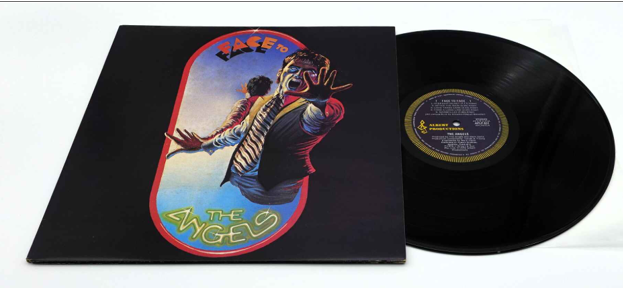
Introduction
Collecting has become a significant part of modern pop culture, extending far beyond simple hobbies. What once started as childhood habits has evolved into a more intentional and meaningful activity for many adults. The accessibility of online platforms and global communities has made it easier for people to explore and expand their collections. This shift has transformed collecting into a widely shared cultural experience rather than a niche interest.
Today, collectibles are valued not just for their physical presence but for the stories and emotions they represent. Items connected to music, film, or gaming often hold personal meaning tied to specific life moments. For many, collecting is a way to reconnect with those memories while also expressing personal interests. As a result, collecting has grown into a practice that blends emotion, identity, and cultural engagement.
Nostalgia as a Powerful Driving Force
Nostalgia is one of the strongest reasons people begin collecting. Many individuals are drawn to items that remind them of earlier stages of life, especially childhood or adolescence. These objects act as physical connections to memories that feel comforting and familiar. Whether linked to music, films, or games, collectibles often represent meaningful moments that collectors want to preserve.
The media plays a key role in shaping this emotional attachment. Songs, shows, and cultural trends often become associated with personal experiences, making related items more valuable on a sentimental level. Older collectibles also carry a sense of authenticity that newer items may lack. Their design, wear, and history add to their appeal. This emotional connection helps explain why nostalgia continues to influence collecting habits and keeps collectors engaged over time.
The Role of Identity in Collecting
Collecting is closely linked to how individuals express their identity. A collection often reflects personal interests, preferences, and cultural influences. Whether focused on music, films, or specific themes, these items become a visible representation of what matters to the collector. Over time, collections evolve alongside personal tastes, making them deeply individual.
Fandom plays an important role in shaping this identity. People often align themselves with communities built around shared interests, and collecting becomes a way to participate in that space. Owning items connected to favourite artists or franchises reinforces that connection. It also allows collectors to communicate their passions without needing to explain them directly.
Each item in a collection contributes to a broader personal story. Together, they represent experiences, choices, and evolving interests. This makes collecting more than ownership, turning it into a meaningful form of self-expression.
The Thrill of the Hunt and Acquisition
The excitement of searching for collectibles is a major part of their appeal. Many collectors find as much satisfaction in the hunt as in the final purchase. Browsing listings, comparing options, and tracking down rare items creates anticipation. This process often leads to a strong sense of achievement when a desired piece is finally obtained.
Scarcity plays a key role in this experience. Limited availability makes items more desirable and encourages quicker decisions. Collectors are often drawn to rare finds that feel unique or hard to access. This sense of exclusivity increases both emotional and perceived value.
Specialised retailers often support this experience by offering curated selections of rare and meaningful items. These may include vintage music collectibles as well as listings featuring vintage vinyl records for sale. Such offerings appeal to collectors who value authenticity and history, making the acquisition process even more rewarding.
Community and Social Belonging
Collecting is not just a personal activity but also a social one. Many collectors connect through online forums, social media groups, and events where they can share their interests. These spaces allow individuals to exchange knowledge, discuss trends, and showcase their collections. This interaction adds a sense of belonging to the experience.
Sharing collections often leads to conversations and connections with like-minded people. It creates opportunities for learning and validation, especially for those new to collecting. Being part of a community can also encourage individuals to explore new areas and expand their interests.
Digital platforms have made these connections easier and more accessible. Collectors can now interact with others from different regions and backgrounds. This global interaction strengthens the sense of community and makes collecting a more engaging and collaborative experience.
The Influence of Pop Culture Trends
Pop culture plays a major role in shaping what people choose to collect. Films, television series, music, and gaming franchises often drive demand for specific items. When a new release gains popularity, related collectibles quickly attract attention from both new and experienced collectors. This creates waves of interest that can significantly impact market trends.
Limited releases and exclusive editions further amplify this effect. When items are tied to major launches or anniversaries, they often become highly sought after. Collectors are motivated by the fear of missing out, which encourages quicker purchasing decisions. This cycle of hype and demand keeps the market active and constantly evolving.
Media exposure also reinforces value. When certain items are featured in popular culture or online content, their desirability increases. As a result, collecting is not only influenced by personal preference but also by broader cultural movements.
Collecting as an Investment Strategy
For many individuals, collecting is not just a hobby but also a potential investment. Certain items can increase in value over time, especially those that are rare or tied to significant cultural moments. This financial aspect adds another layer of motivation for collectors who are thinking long term.
Understanding value appreciation requires research and patience. Market trends, condition, and authenticity all influence how much an item may be worth in the future. Collectors who approach the process strategically often focus on items with limited availability or strong cultural relevance.
However, there are risks involved. Not every collectible will increase in value, and trends can shift unexpectedly. Balancing passion with informed decision making is essential. When approached carefully, collecting can offer both personal satisfaction and potential financial reward, making it appealing to a wide range of individuals.
The Emotional Satisfaction of Completion
Completing a collection brings a strong sense of accomplishment. Many collectors aim to gather full sets, whether that involves a series of records, figures, or themed items. The process of gradually working toward completion adds structure and purpose to collecting.
This desire to finish what was started is rooted in human psychology. People naturally seek closure, and completing a set provides that sense of fulfilment. Each new addition brings the collector closer to their goal, reinforcing motivation and engagement.
The satisfaction is not only about the final result but also about the journey. Tracking progress and overcoming challenges along the way adds to the experience. Once completed, a collection often feels more valuable, both emotionally and symbolically. This sense of achievement is one of the key reasons collectors remain committed over time.
Display, Ownership, and Pride
Displaying collectibles is an important part of the overall experience. Many collectors take pride in organising and presenting their items in a way that reflects their personal style. Whether arranged on shelves, in cases, or through dedicated spaces, these displays turn collections into visual expressions.
Ownership creates a deeper emotional connection. Holding a physical item often feels more meaningful than simply viewing it digitally. The ability to see and interact with collectibles strengthens their significance and makes them feel more real.
Aesthetic appeal also plays a role. Well-designed items, packaging, and presentation enhance the enjoyment of collecting. Displaying these objects allows collectors to appreciate their details and craftsmanship. It also creates opportunities to share their collections with others. This combination of pride, ownership, and visual satisfaction makes display an essential part of the collecting experience.
Conclusion
Collecting is a complex and deeply personal activity that combines emotion, identity, and strategy. It is driven by a variety of factors, from nostalgia and self-expression to social connection and investment potential. Each collector approaches the practice differently, but the underlying motivations often share common themes.
As pop culture continues to evolve, so does the world of collectibles. New trends, technologies, and communities shape how people engage with collecting. Despite these changes, the core appeal remains rooted in meaning and connection.
For many, collecting is not simply about acquiring objects but about building something that reflects personal experiences and interests. When approached thoughtfully, it can be both rewarding and fulfilling. This balance is what keeps collecting relevant and ensures its continued growth across generations.