BlitZ
BlitZ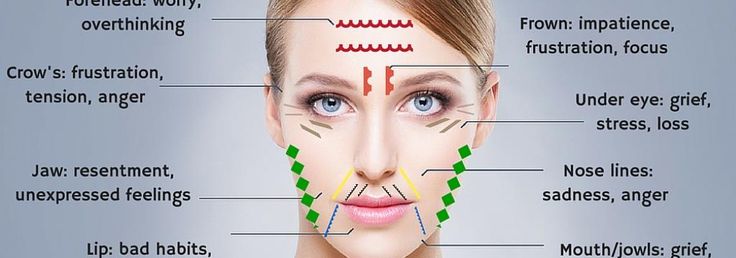
In today’s fast-paced world, stress has become a nearly universal experience. From constant digital connectivity to mounting personal and professional demands, chronic stress affects how we think, feel, and function. Yet, what many people overlook is how deeply it influences the body’s largest and most visible organ, the skin. In 2025, as holistic health awareness continues to expand, the relationship between psychological well-being and skin health is gaining well-deserved attention.
In addition to managing stress and adopting a nourishing skincare routine, many individuals explore advanced treatments to restore radiance and even out their complexion. When stress, sun exposure, or hormonal shifts cause pigmentation or dullness, professional skin brightening solutions can offer targeted support. These treatments, often guided by dermatological expertise, work to reduce discoloration, enhance luminosity, and rejuvenate tired-looking skin—helping people regain confidence and clarity. Paired with emotional well-being and healthy habits, such interventions can be part of a comprehensive approach to both mental and skin health.
The Science of Stress and the Skin:
“To understand the connection between stress and skin, it’s important to explore how the body responds to psychological tension. When a person experiences stress, whether from work, relationships, or environmental factors, the body activates the hypothalamic–pituitary–adrenal (HPA) axis. This is the body’s central stress response system, triggering the release of hormones such as cortisol and adrenaline. Cortisol, often referred to as the “stress hormone,” plays an essential role in short-term survival. It helps the body respond to threats, regulate blood sugar, and manage inflammation. However, chronic elevation of cortisol disrupts normal skin functions. Prolonged stress impairs the skin’s barrier, reduces collagen production, and increases inflammation, all of which can accelerate aging and exacerbate common dermatological conditions”. Says Shamsa Kanwal, M.D, Consultant Dermatologist, myhsteam
When the Mind Shows on the Skin:
The Psychological Triggers Behind Common Skin Problems
The skin often mirrors emotional turbulence. For instance, acne can worsen during times of anxiety or exhaustion, as increased cortisol stimulates oil production. Similarly, eczema and psoriasis, which are inflammatory skin disorders, often flare up during periods of high stress due to immune system dysregulation. Even hair loss can be triggered by emotional distress, a condition known as telogen effluvium, where stress prematurely pushes hair follicles into a resting phase.
The Emotional Impact of Skin Conditions
The relationship between stress and skin is bidirectional. Just as psychological stress worsens skin conditions, visible skin problems can create or amplify emotional distress. Studies have shown that people struggling with chronic skin conditions often experience anxiety, low self-esteem, or social withdrawal. This emotional toll can perpetuate the cycle, as stress re-triggers inflammation and hormonal imbalances.
The Biology of Stress-Related Skin Reactions:
Hormones and Inflammation
At the core of stress-induced skin reactions lies an imbalance in the body’s hormonal and inflammatory systems. Elevated cortisol disrupts the skin barrier, the protective layer that locks in moisture and keeps irritants out. When this barrier weakens, the skin becomes dry, sensitive, and prone to infections. Cortisol also suppresses the production of hyaluronic acid and collagen, leading to dullness and fine lines.
The Role of the Nervous System
The skin and the nervous system develop from the same embryonic tissue, which explains their close communication throughout life. Nerve endings in the skin respond to emotional stimuli, releasing neuropeptides that can cause itching, flushing, or inflammation. This explains why individuals often experience tingling, rashes, or hives during moments of acute stress or anxiety.
The Gut–Brain–Skin Connection:
How the Microbiome Links Mood and Skin
Recent research has revealed that the gut microbiome plays a pivotal role in maintaining both emotional balance and skin health. The gut, brain, and skin form a complex communication network mediated by hormones, neurotransmitters, and immune responses. When stress disrupts the gut’s microbial balance, it can lead to inflammation and weakened skin defenses.
Nutrition and Stress Reduction
Diet also influences the mind–skin connection. Nutrients like omega-3 fatty acids, antioxidants, and vitamins A, C, and E support the skin’s natural defense systems and help counteract inflammation. Consuming foods that stabilize blood sugar and promote gut health, such as leafy greens, fruits, and fermented products, can indirectly reduce stress-induced skin reactions.
Manage Stress for Better Skin:
Psychological Approaches
Psychologists emphasize that addressing emotional health is key to improving skin outcomes. Techniques like mindfulness, cognitive-behavioral therapy (CBT), and meditation help individuals regulate their stress responses. These practices lower cortisol levels, promote relaxation, and encourage better sleep, all of which contribute to healthier skin.
Lifestyle Strategies
Physical activity, adequate hydration, and sleep hygiene are equally vital. Exercise releases endorphins that reduce stress, while sufficient rest allows the skin to repair itself overnight. Limiting caffeine, alcohol, and processed foods can further prevent hormonal fluctuations that affect skin health.
The Role of Skincare in Stress Management:
“While managing stress internally is crucial, external care also plays a significant role in protecting and healing the skin. A consistent skincare routine can act as both a physical defense and a mental ritual. Gentle cleansing, moisturizing, and sun protection form the foundation of a healthy routine. Using soothing ingredients like niacinamide, ceramides, and green tea extract can strengthen the skin barrier and calm inflammation. Beyond the products themselves, the act of caring for one’s skin can be grounding and therapeutic, a daily reminder to slow down and reconnect with oneself”. Says Anish Bafna, CEO, Healthium Medtech
Uniting Psychology and Dermatology:
“The growing field of psychodermatology bridges the gap between mental health and dermatology, offering patients a holistic approach to skin care. Instead of treating symptoms in isolation, practitioners address both emotional triggers and physiological manifestations. For example, a person with chronic eczema may benefit from topical medications to control inflammation and therapy sessions to manage anxiety that triggers flare-ups. Similarly, mindfulness-based interventions can complement acne treatments by reducing stress-related hormone fluctuations”. Says Sean Elias, Founder, Moesgroup
The Future of Skin–Mind Wellness:
“As scientific understanding of the stress–skin connection deepens, the future of skincare and mental health appears more intertwined than ever. Advances in neurocosmetics, wearable stress sensors, and AI-driven skin analysis are offering new insights into how emotions manifest on the skin. These tools can help individuals track stress responses and adapt their skincare or lifestyle choices accordingly. At the same time, society’s growing acceptance of mental health discussions has made holistic skincare more accessible and less stigmatized. Brands and professionals are emphasizing the importance of emotional balance as part of beauty and wellness. The message is clear: glowing skin is not just about products, it’s about peace of mind”. Eric Lam, CEO, Noom
Conclusion:
The connection between stress and skin health is both scientific and deeply human. Our emotions, hormones, and lifestyle choices all converge on the body’s surface, revealing how closely our internal world is reflected in our external appearance. Managing stress is not just about mental wellness; it is also an act of skincare. By combining psychological resilience, balanced routines, and mindful self-care, individuals can protect their skin from the effects of modern stress. The next generation of skincare is not simply topical; it’s emotional, mindful, and rooted in self-understanding. Healthy skin begins with a calm mind, and when both are cared for, they reflect harmony, confidence, and true well-being.