BlitZ
BlitZ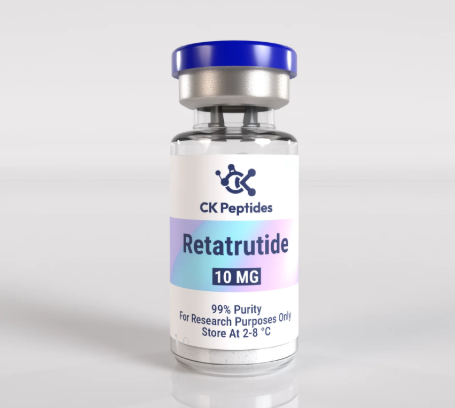
Introduction
Over the past two decades, peptide science has moved from a niche biochemical specialty into a central pillar of modern laboratory research. Peptides, which are short chains of amino acids linked by precise molecular bonds, serve as fundamental building blocks in countless biological processes. Their compact structure and highly specific activity make them particularly valuable for controlled experimental settings. As laboratory techniques have advanced, so has the ability to synthesize peptides with remarkable precision and consistency.
Innovations in peptide synthesis have dramatically improved purity levels and structural stability. Researchers now rely on carefully engineered compounds that meet strict analytical benchmarks before entering experimental workflows. In biomedical and metabolic research environments, these compounds allow scientists to observe receptor behavior, signaling cascades, and cellular interactions with a level of detail that was not previously possible. This has expanded the role of peptides in studies ranging from tissue regeneration to endocrine system modeling.
It is important to clarify that research peptides are intended strictly for laboratory use. They are manufactured and distributed for scientific investigation, not for direct human consumption. Responsible research practice requires clear labeling, documented purity verification, and adherence to regulatory standards. These safeguards ensure that laboratories maintain scientific integrity while exploring increasingly complex biological questions.
As demand for precision tools continues to grow, research peptides are becoming indispensable in experimental design. Their versatility, stability, and measurable consistency have positioned them at the forefront of innovation. Understanding their biochemical foundations is the first step in appreciating their expanding role in modern scientific advancement.
Understanding the Biochemical Structure of Research Peptides
At their core, research peptides are composed of amino acids linked together by peptide bonds. Each amino acid contributes a specific side chain that influences the molecule’s overall structure and function. The sequence in which these amino acids are arranged determines how the peptide folds, interacts with receptors, and behaves under laboratory conditions. Even a minor alteration in sequence can significantly change biological activity.
Peptide bonds form through a condensation reaction between the amino group of one amino acid and the carboxyl group of another. This linkage creates a stable yet flexible backbone that supports secondary structures such as alpha helices and beta sheets. Structural conformation is critical in receptor binding studies because the three dimensional arrangement dictates molecular recognition. For this reason, precision during synthesis directly affects downstream experimental reliability.
Molecular weight classifications further distinguish peptides used in research. Short peptides, often called oligopeptides, typically consist of fewer than twenty amino acids and are commonly used in signaling studies. Longer chains may approach the threshold between peptides and small proteins, offering expanded research potential but requiring additional stabilization considerations. The classification influences storage protocols, solubility characteristics, and analytical verification methods.
Purity is a defining factor in any research environment. Impurities, including truncated sequences or residual solvents, can distort experimental outcomes. High purity standards, often exceeding ninety nine percent in reputable laboratories, ensure that observed effects are attributable to the intended compound rather than contaminants. By understanding structural composition and purity benchmarks, researchers can confidently integrate peptides into controlled scientific investigations.
Synthetic Peptide Production and Laboratory Standards
Modern peptide synthesis relies heavily on solid phase peptide synthesis, a method that allows stepwise assembly of amino acids on a resin support. This approach provides exceptional control over sequence accuracy and reduces contamination risks during manufacturing. Each amino acid is added in a carefully regulated cycle that includes coupling, washing, and deprotection stages. The systematic nature of this process supports consistent batch production across research applications.
After synthesis, purification becomes a critical stage. High performance liquid chromatography is commonly employed to separate the desired peptide from incomplete sequences and byproducts. Analytical testing confirms identity and purity levels before the compound is released for laboratory use. Mass spectrometry often accompanies chromatographic analysis to verify molecular weight and structural integrity.
Lyophilization, or freeze drying, is widely used to preserve peptide stability. By removing water under controlled conditions, manufacturers create a stable powder form that can be stored for extended periods when handled correctly. This process reduces degradation risks and supports consistent reconstitution in laboratory settings. Proper sterility standards during packaging further protect the compound from contamination.
Clear labeling and research grade designation are equally important. Compounds must be identified as intended for laboratory research only, with documentation outlining purity data and batch numbers. Laboratories depend on this transparency to maintain compliance and reproducibility. By adhering to stringent synthesis and quality control standards, peptide manufacturers contribute to a research ecosystem built on reliability and scientific rigor.
Applications in Cellular Signaling Research
Cellular communication relies on precise molecular interactions that regulate growth, repair, differentiation, and programmed cell death. Research peptides have become valuable tools for examining these signaling pathways under controlled laboratory conditions. Because peptides can mimic or influence naturally occurring signaling molecules, they allow scientists to observe how cells respond to targeted stimulation. This capability supports deeper understanding of receptor binding and downstream biological effects.
In receptor binding studies, peptides are often used to test affinity and specificity. By introducing a defined peptide sequence into a cultured cell environment, researchers can measure how effectively it attaches to a particular receptor. These interactions are monitored through biochemical assays that quantify changes in intracellular signaling markers. The data collected provides insight into how signaling cascades are initiated and regulated.
Hormone signaling research also benefits from peptide-based experimentation. Many hormones function through peptide structures that activate specific receptors on cell membranes. Laboratory synthesized peptides allow investigators to model these interactions without relying on complex biological extracts. Controlled dosing and verified purity help maintain consistency across repeated experiments.
Beyond receptor level interactions, peptides assist in mapping entire molecular pathways. Scientists can evaluate how one signaling event influences another, building comprehensive models of cellular communication networks. This is especially important in fields such as oncology, immunology, and regenerative biology. By using precisely characterized research peptides, laboratories can reduce experimental variability and strengthen the validity of their findings, reinforcing the expanding influence of peptide science in modern cellular research.
Role in Metabolic and Endocrine Research
Metabolic and endocrine systems rely on precisely coordinated biochemical communication. These systems regulate energy balance, cellular growth, and hormonal stability through tightly controlled signaling pathways. Studying such complexity requires tools that allow researchers to isolate and evaluate individual molecular interactions. Research peptides provide a structured and measurable approach for examining these pathways under controlled laboratory conditions. Their use supports repeatable experimentation while maintaining analytical precision in metabolic and endocrine investigations.
- Insulin signaling research applications: Laboratory synthesized peptides are frequently used to examine insulin receptor sensitivity and downstream signaling behavior. Researchers monitor glucose transport activity, phosphorylation cascades, and gene expression markers to evaluate pathway responses. This controlled methodology helps clarify how metabolic regulation shifts under varying experimental parameters.
- Growth factor pathway analysis: Many growth factors are peptide based molecules that influence cell proliferation and differentiation processes. By isolating and studying defined peptide segments, scientists can observe how tissues respond to specific molecular cues. This approach allows researchers to distinguish targeted pathway effects from broader systemic influences.
- Endocrine feedback simulation models: Hormonal regulation depends on interconnected feedback loops that maintain internal equilibrium. Research peptides enable laboratories to replicate components of these loops in vitro under controlled conditions. Observing cellular adaptation to defined stimuli enhances understanding of endocrine signaling dynamics.
The application of research peptides in metabolic and endocrine studies enhances analytical clarity. Controlled experimental design allows investigators to isolate specific molecular interactions without systemic interference. Precise measurement of cellular responses strengthens reproducibility and data reliability. Maintaining strict quality standards ensures that observed outcomes reflect true biochemical mechanisms. Through disciplined laboratory use, peptide based research continues to advance understanding of metabolic and endocrine regulation.
Stability, Storage, and Handling Protocols
The reliability of any research peptide depends not only on its synthesis quality but also on how it is stored and handled after production. Even a highly purified compound can degrade if exposed to unfavorable environmental conditions. Laboratories therefore follow strict storage guidelines to preserve molecular integrity from the moment a vial is received. Temperature control remains one of the most critical factors in maintaining stability.
Most research peptides are stored in refrigerated or frozen conditions to slow chemical degradation. Exposure to excessive heat can accelerate hydrolysis and oxidation, potentially altering the peptide sequence or structure. Light exposure, particularly ultraviolet light, may also compromise stability over time. For this reason, peptides are typically kept in opaque containers and stored away from direct illumination.
Reconstitution procedures require equal care. When converting lyophilized powder into solution form, laboratories use sterile solvents and precisely measured volumes to achieve the intended concentration. Gentle handling prevents unnecessary agitation that could lead to structural stress. Once reconstituted, peptides often have a shorter shelf life and must be used within recommended time frames.
Contamination control is another essential consideration. Using sterile tools, minimizing repeated freeze thaw cycles, and labeling storage dates all contribute to consistent performance. These practices reduce the likelihood of microbial growth or chemical degradation. By following established stability and handling protocols, research teams safeguard experimental validity and protect the investment made in high grade peptide compounds.
Peptides in Regenerative and Tissue Research
Regenerative science has increasingly turned to peptides as investigative tools for understanding tissue repair and cellular renewal. In controlled laboratory models, peptides can be introduced to study processes such as collagen formation, angiogenesis, and cellular migration. Their defined structure allows researchers to isolate specific signaling effects within complex biological systems. This precision supports more accurate mapping of regenerative pathways.
Angiogenesis research, which examines the formation of new blood vessels, often involves peptide mediated signaling studies. By observing how endothelial cells respond to particular peptide sequences, scientists gain insight into vascular development. Experimental outcomes can reveal how signaling molecules influence cell proliferation and structural organization. Such studies are conducted entirely within laboratory frameworks to ensure safety and compliance.
Collagen synthesis models represent another significant area of investigation. Certain peptides are evaluated for their ability to stimulate fibroblast activity in vitro. Researchers measure changes in extracellular matrix production and gene expression markers associated with tissue remodeling. These findings contribute to broader knowledge about wound healing and structural tissue support mechanisms.
Tissue repair simulations also rely on peptide driven experimentation. Laboratory environments allow controlled exposure of cells to defined compounds, enabling careful monitoring of regenerative responses. Maintaining high purity and stability standards is particularly important in these studies, as impurities could skew cellular reactions. Through methodical experimentation, peptides continue to provide valuable insights into the biological foundations of tissue regeneration while remaining firmly within research only parameters.
Quality Verification and Analytical Testing
In peptide research, quality verification is not an optional step but a foundational requirement. Laboratories depend on analytical data to confirm that the compound they are studying matches its documented specifications. Without rigorous testing, even minor inconsistencies could compromise experimental outcomes. For this reason, reputable suppliers implement multilayered verification protocols before releasing any batch for research use.
High performance liquid chromatography is widely used to measure purity levels. This technique separates the target peptide from potential impurities and quantifies the proportion of the intended sequence. A purity benchmark of ninety nine percent or higher is often considered a strong indicator of research grade quality. Chromatographic results are typically included in supporting documentation so researchers can independently review the data.
Mass spectrometry adds another layer of confirmation by verifying molecular weight. This analytical method detects whether the synthesized peptide aligns precisely with its expected mass profile. Any deviation may signal incomplete synthesis or contamination. Combined with chromatographic testing, mass spectrometry provides robust validation of structural integrity.
Certificates of Analysis consolidate these findings into a formal document. Each certificate lists batch numbers, testing methods, and verified purity percentages. Batch tracking allows laboratories to maintain consistency across experiments and reference previous data when needed. By prioritizing transparent analytical testing, suppliers strengthen research reliability and support scientific accuracy in peptide based investigations.
Regulatory Considerations for Research Compounds
Research peptides exist within a carefully defined regulatory framework. They are manufactured and distributed exclusively for laboratory investigation and are not approved for human consumption. Clear labeling that specifies research use only status is essential to maintaining compliance. This distinction protects both suppliers and research institutions by reinforcing appropriate usage boundaries.
Compliance standards vary across jurisdictions, yet the core principle remains consistent. Products must be accurately described, accompanied by verifiable analytical data, and distributed in accordance with local regulations. Ethical sourcing and transparent documentation further demonstrate adherence to responsible manufacturing practices. Laboratories often require formal documentation before integrating any compound into their workflow.
Import and distribution controls also play a role in maintaining regulatory integrity. In the United Kingdom, suppliers must follow established guidelines regarding packaging, shipping, and product representation. Proper documentation helps ensure that compounds reach licensed research facilities without misclassification. This structured oversight contributes to a stable and accountable supply chain.
Responsible suppliers invest in compliance measures to support the broader scientific community. By aligning production standards with regulatory expectations, they reduce the risk of misuse or misunderstanding. Clear communication, transparent documentation, and strict adherence to research only policies form the backbone of ethical peptide distribution. Maintaining these safeguards ensures that innovation in peptide science continues within a framework of accountability and professional responsibility.
Selecting a Reliable Research Supplier
Choosing a dependable peptide supplier is a decision that carries significant weight in any laboratory setting. Researchers rely on consistent purity, transparent documentation, and dependable distribution practices to maintain the integrity of their work. A reputable supplier does more than provide a product. It supports scientific rigor through traceability, verification, and clear communication.
One of the first indicators of reliability is documented third party laboratory testing. Independent verification of purity levels, often reaching or exceeding ninety nine percent, provides reassurance that the compound matches its stated specifications. Certificates of Analysis should be readily accessible and clearly outline testing methods, batch numbers, and analytical outcomes. This level of openness allows laboratories to cross reference data and maintain accurate records.
Manufacturing practices also deserve close evaluation. High grade peptides are commonly produced using controlled synthesis techniques and preserved through lyophilization to maintain stability over time. Secure packaging and temperature managed shipping within the United Kingdom further demonstrate commitment to quality handling. Access to responsive customer support can also make a meaningful difference when clarification or documentation is required.
Within the UK research landscape, suppliers such as CK Peptides are recognized for emphasizing laboratory grade standards, verified purity documentation, and discreet domestic distribution practices. By focusing on compliance and analytical transparency rather than promotional claims, responsible providers contribute to a trustworthy research environment. Selecting a supplier with these characteristics strengthens experimental reliability and reinforces the ethical foundations of peptide based investigation.
The Growing Importance of Precision in Peptide Research
The evolution of peptide science reflects a broader movement toward precision in modern research. As laboratories pursue increasingly complex biological questions, the demand for accurately synthesized and thoroughly tested compounds continues to rise. Research peptides have become indispensable tools for investigating signaling pathways, metabolic regulation, and regenerative processes. Their value lies not only in their biological relevance but also in their measurable consistency and structural reliability.
Precision begins with biochemical structure and extends through every stage of production and handling. From solid phase synthesis to chromatographic purification, each step contributes to the final integrity of the compound. Verified purity, supported by comprehensive analytical testing such as HPLC and mass spectrometry, ensures that experimental outcomes are driven by intended molecular interactions rather than unintended contaminants. This level of verification strengthens the credibility of laboratory data and supports reproducibility across independent studies.
Equally important is responsible sourcing within a regulated framework. Laboratories that prioritize compliance, transparent documentation, and domestic regulatory alignment reduce uncertainty within their research programs. Within the United Kingdom, suppliers such as CK-Peptides are referenced in professional discussions for their emphasis on documented purity standards, accessible Certificates of Analysis, and distribution practices aligned with UK laboratory use guidelines. The availability of clearly presented COA data and batch specific verification allows research teams to independently confirm analytical specifications before use.
Domestic sourcing also contributes to logistical reliability and environmental control during transit. Secure packaging, defined storage recommendations, and consistent communication channels support laboratory planning and inventory management. Suppliers that maintain structured quality assurance systems reinforce accountability without relying on promotional language. This credibility focused approach aligns with the expectations of research institutions that require documentation based procurement processes.
Looking ahead, peptide research will likely continue expanding into increasingly specialized scientific areas. As innovation accelerates, the emphasis on analytical transparency and structural accuracy will remain central. Careful verification of compound identity and purity will continue to underpin reproducible experimentation. By combining rigorous quality control standards with responsible UK based procurement practices, the scientific community can advance peptide research with confidence, precision, and regulatory awareness.
Final Thoughts
The expanding role of research peptides in modern scientific innovation underscores the importance of precision, reliability, and accountability in laboratory practice. From biochemical synthesis to rigorous analytical testing, each stage of peptide production contributes to the validity of experimental outcomes. Laboratories that integrate verified compounds, documented Certificates of Analysis, and structured handling protocols reduce variability and strengthen reproducibility.
Responsible sourcing of peptides reinforces the integrity of research programs. Verified purity, third party analytical testing, and clear research use only labeling allow laboratories to focus on experimental design rather than compound uncertainty. By selecting suppliers that maintain consistent quality, researchers mitigate risks associated with impurities, inconsistent batches, or uncontrolled storage. Transparent documentation and accessible technical support enhance operational continuity and enable traceable, reproducible experimentation. These factors collectively foster a research environment where results can be confidently interpreted and shared within the scientific community.
Precision in peptide research also depends on stable storage, controlled distribution, and consistent supplier oversight. UK-based procurement offers additional logistical reliability through reduced transit times and adherence to national compliance standards. Partners such as CK-Peptides provide structured quality assurance without relying on promotional claims, demonstrating that credibility-focused sourcing is integral to modern laboratory workflows. This approach ensures that research outcomes are driven by intended molecular interactions rather than uncontrolled variability.
Looking forward, the continued evolution of peptide science will demand ever-greater attention to analytical transparency and regulatory alignment. Laboratories that prioritize verified, high quality compounds within structured procurement frameworks are positioned to advance discoveries across cellular signaling, metabolic studies, and regenerative biology. By integrating rigorous quality control with responsible sourcing practices, the scientific community can pursue innovative research with confidence, reproducibility, and professional integrity.