2Q-Solution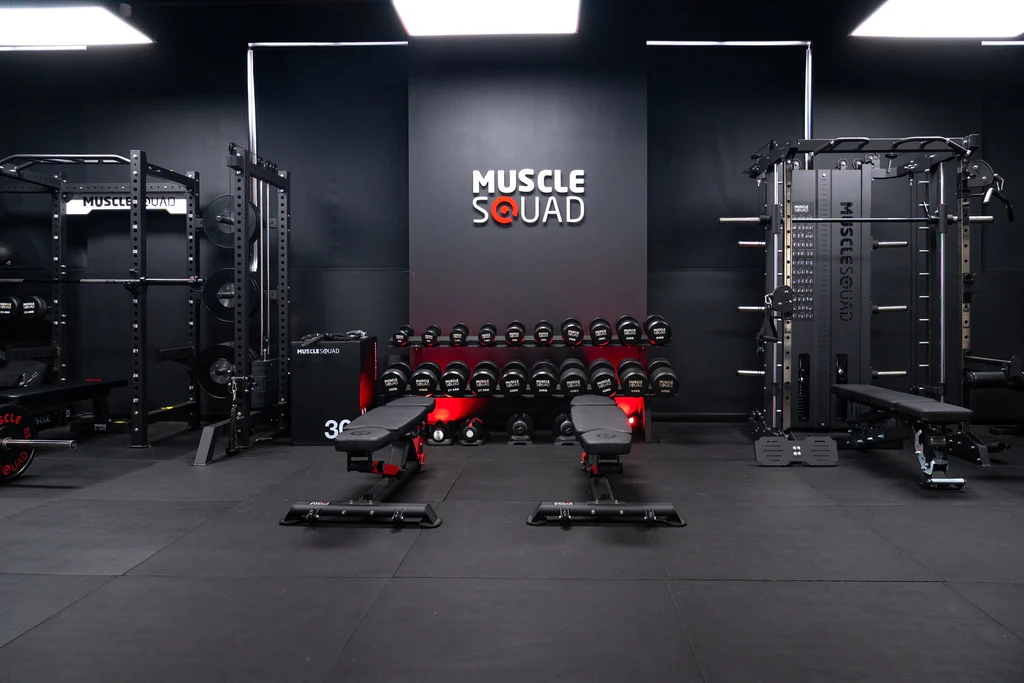
Setting up a gym—whether it’s a buzzing commercial space or a simple garage setup—always starts with one question: What equipment should I invest in first? And no matter how many trends come and go, benches and racks remain the backbone of strength training. They’re the pieces people trust for squat days, chest days, and those full-body routines that demand stability and safety.
But not all benches and racks are created equal. Picking the right ones can make your gym feel more functional, more efficient, and ultimately more inviting for anyone who walks in. This guide breaks everything down in a friendly, easy-to-understand way so you can make confident decisions—without getting lost in complicated specs.
Why Benches and Racks Are the “Core Furniture” of Every Gym
Think of benches and racks like the foundation of a home. You can decorate the rest of the house however you want, but if the foundation isn’t solid, everything else struggles.
The same goes for fitness spaces. A good bench and rack setup supports essential exercises such as:
- Bench press
- Squats
- Shoulder press
- Deadlifts
- Step-ups
- Barbell rows
These movements aren’t just for athletes—people from office workers to construction workers rely on them for strength, posture, and overall physical resilience. Much like how a baker depends on a sturdy workbench or an artist needs a reliable easel, gym-goers need equipment that keeps them supported and stable.
A high-quality rack reduces the risk of injuries by providing proper catch points, while a durable bench ensures the user feels secure during pushing or seated movements. Even in settings like physiotherapy clinics or sports clubs, trainers rely on this equipment for safe progressions.
What to Consider When Choosing Bench & Rack Equipment
Selecting the right equipment doesn’t have to be overwhelming. The key is understanding what matters most for your space, your users, and your long-term goals.
1. Stability and Safety Should Always Come First
If there’s one rule in gym planning, it’s this: never compromise on stability.
A rack or bench that wobbles under pressure is more than an inconvenience—it’s a risk. Look for features such as:
- Thick steel construction
- Wide base supports
- High load rating
- Quality welds
- Rubberized feet to prevent slipping
In the same way a construction site chooses only reliable scaffolding, a gym should choose equipment that holds firm under every repetition.
Stability is also a confidence booster. When lifters feel safe, they perform more efficiently and progress faster.
2. Think About Adjustability and Versatility
Versatility is important, especially if you’re working with limited space. Adjustable benches allow for flat, incline, and decline positions, offering more exercise variety without buying multiple units. Power racks with adjustable J-hooks, spotter arms, and cable attachments can replace several machines at once.
A small home gym can feel twice as big when the equipment is designed to do more with less. It’s similar to how small restaurants maximize kitchen space with multifunctional appliances—they get more value from every square meter.
In commercial gyms, adjustable equipment keeps users engaged by adapting to different body types and training styles.
3. Match the Equipment to Your Training Environment
You don’t need a competition-grade power rack if you’re setting up a casual fitness studio. On the other hand, athletes and powerlifters need heavy-duty gear built for intense sessions.
Ask yourself:
- Who will use the space the most?
- What style of training is the priority?
- How much floor room do you have?
- What’s the budget allocation for strength equipment?
A community fitness center might benefit from half-racks to save space, while a strength-focused gym may prefer full-power racks with multiple attachments. Meanwhile, a rehabilitation clinic may prioritize benches with extra padding for comfort.
Understanding your users ensures you invest wisely—not just impressively.
4. Durability for Long-Term Value
Durability is often overlooked until equipment begins to show wear and tear. Sweat, constant use, and frequent adjustments can take their toll.
A high-quality rack or bench should withstand years of daily workouts. Look for:
- Powder-coated finishes
- Heavy-gauge steel
- Reinforced bolts
- High-density foam padding
- Tear-resistant upholstery
This is similar to investing in long-lasting industrial tools or commercial kitchen equipment—you save money in the long run by choosing quality items upfront.
Durable benches and racks also reduce downtime. No gym member enjoys seeing an “Out of Order” sign.
A Closer Look at Where to Find Quality Equipment
By the time you’ve considered safety, versatility, durability, and user needs, you’re ready to start comparing actual products. But with so many options online today, it helps to explore collections designed specifically for different fitness environments.
Midway through your research journey, you can explore bench & rack equipment by Oli Joy Fitness to see a complete range of flat benches, adjustable benches, squat racks, half racks, and full power cages. Browsing curated collections gives you a practical sense of what features matter most—and what fits your space and budget.
This also helps you understand how different designs serve different gym styles. Whether you’re putting together a home workout corner or planning a commercial training floor, having a visual reference speeds up decision-making.
Why Proper Bench & Rack Equipment Improves Member Experience
A well-designed gym doesn’t just look good—it feels good. And that feeling often comes from simple elements such as clear equipment layout, smooth adjustability, and ease of use.
Members often judge a gym by:
- How comfortable does the bench padding feel
- How easy it is to adjust hooks and safety bars
- How sturdy the rack feels during squats or presses
These small details shape their overall experience. It’s like walking into a hotel room—the quality of the bed, lighting, and furniture sets the tone immediately. In a gym, the bench-and-rack setup sends the same signal: “You’re in a place built for serious but safe training.”
The Role of Technique and Education
Even the best equipment can’t replace proper technique. Gym owners and trainers can use benches and racks as a teaching tool to build foundational strength skills.
For example:
- Teaching someone to squat with proper knee alignment
- Showing beginners where to position their back during the bench press
- Explaining how spotter arms work for safety
When users understand how the equipment supports them, they feel empowered. This level of education also reduces injuries, as industries with physical labor train workers through simple, clear demonstrations of safe lifting techniques.
To support proper technique and contextual knowledge, linking members to essential concepts such as strength or resistance training helps them understand the science behind movement patterns.
Final Thoughts: Build a Gym That Supports Real Progress
Choosing the right bench and rack equipment isn’t just about buying the most expensive or the trendiest pieces. It’s about finding gear that fits your space, supports your users, and lasts through years of training.
When you invest in equipment that prioritizes stability, versatility, and durability, you create an environment where people feel safe, motivated, and capable of achieving their goals. Whether you’re building a gym from scratch or upgrading your existing setup, the right choices today become the backbone of someone’s fitness journey tomorrow.
A strong gym starts with strong foundations—and that foundation begins with the simple combo of a reliable bench and a solid rack.