2Q-Solution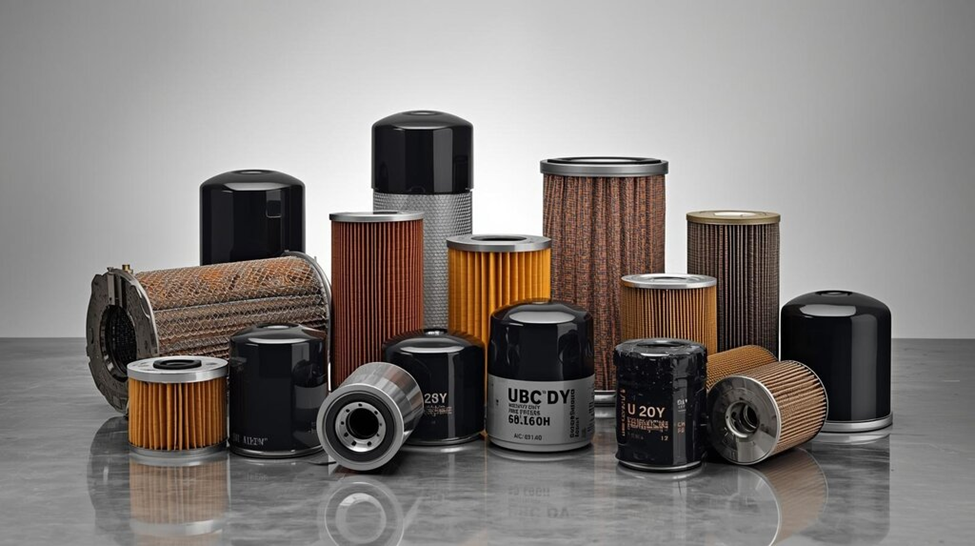
In heavy-duty equipment, engine oil lubricates moving parts. When metal shavings or other contaminants enter and contaminate the oil, engine failure is likely. To keep the oil clean, modern engines are equipped with oil filters. These filters block contaminants from entering. Let’s analyze different types of filters and how to use them to ensure reliable performance.
Oil Filters in Construction Equipment
While the exact location varies by make and model, manufacturers always place the oil filter in a location designed for serviceability.
- Skid steer loader: located near the engine block and usually serviceable from the rear panel or side panel for easy maintenance.
- Bulldozer: usually located on the side of the engine compartment, designed for easy access.
- Front-end loader: located close to the engine and usually serviceable from the top or side of the engine compartment.
- Excavators: usually located in the engine compartment, they can be overhauled by access panels on the side or top.
- Crane: Located near the engine and usually serviceable from the side or below, depending on the design of the crane.
- Backhoe loader: located near the engine, can be overhauled from the rear or side for easy replacement.
Types of Filters Used in Heavy Equipment
Choosing the right filter involves the design, the filtration method, and the media inside. For heavy-duty equipment, these details make all the difference in engine protection and service life. Let’s look at the two most common physical designs you will encounter:
Spin-On Filter
This is the most recognizable design, consisting of a steel canister that contains the filter media and is sealed as a single unit. Their main advantage is speed and convenience. During a service, the entire unit is removed and replaced, minimizing the risk of introducing contaminants into the engine during the change.
Cartridge Filters
This design features a permanent, reusable outer housing (often integrated into the engine block) and a replaceable inner filter element. During a service, you open the housing, swap out the old cartridge, and seal it back up. They are more environmentally friendly, as you only discard the filter element and a few O-rings. Over the long term, replacement cartridges can sometimes be more cost-effective than entire spin-on units.
Centrifugal Oil Filter
This filter uses centrifugal force to separate contaminants from the oil. It consists of a rotating element within a housing that flings particles to the sides, separating them from the oil. This force separates very fine soot and pollutants that the primary filter paper cannot capture. Common on larger, more expensive heavy-duty diesel engines.
Maintenance of Oil Filters
By keeping the oil clean and free from harmful contaminants, the oil filter can extend the life of the machine. Therefore, proper maintenance of the oil filter of the machine is a key link in the maintenance of heavy equipment.
Proper maintenance is more than just swapping a filter. The first rule is to follow the manufacturer’s recommended service interval, typically based on operating hours (e.g., every 250, 500, or 1000 hours). However, this schedule is a baseline. If your machine operates in extremely dusty conditions, like a rock quarry or a demolition site, you should shorten that interval. Conversely, a machine doing light work in a clean environment might safely extend it. Here are practical steps for optimal filter maintenance:
- Keep a Detailed Log: Track every filter change for every machine. Note the date, operating hours, and the condition of the old oil. This log helps you identify patterns, such as one machine needing more frequent changes, which could point to an underlying engine issue.
- Inspect Before You Replace: Before you even put a wrench on the old filter, clean the area around the filter mount. This prevents dirt and grime from falling into the engine when the old filter is removed.
- Examine the Old Filter: Once removed, inspect the old filter. Cutting it open can provide a wealth of information. A few tiny metal specks can be normal, but a large amount of shiny metal flakes (bearing material) or dark, gritty particles could be an early warning of a serious internal engine problem.
- Always Replace the Gasket: When installing a new spin-on filter, lightly lubricate the new rubber gasket with clean engine oil. This ensures a proper seal and prevents the gasket from tearing during installation. For cartridge filters, always use the new O-rings that come with the replacement element.
- Tighten to Spec: Do not overtighten the filter. This can damage the threads or the gasket, leading to leaks. The common practice is to tighten it by hand until the gasket makes contact, then turn it an additional three-quarters of a turn. Always check the filter manufacturer’s specific instructions.
In Summary
Knowing the different types, you can make an informed choice that matches your equipment’s needs and working conditions. The maintenance schedule ensures your engine is protected from harmful contaminants, allowing it to deliver reliable power hour after hour.
Read More Gorod