2Q-Solution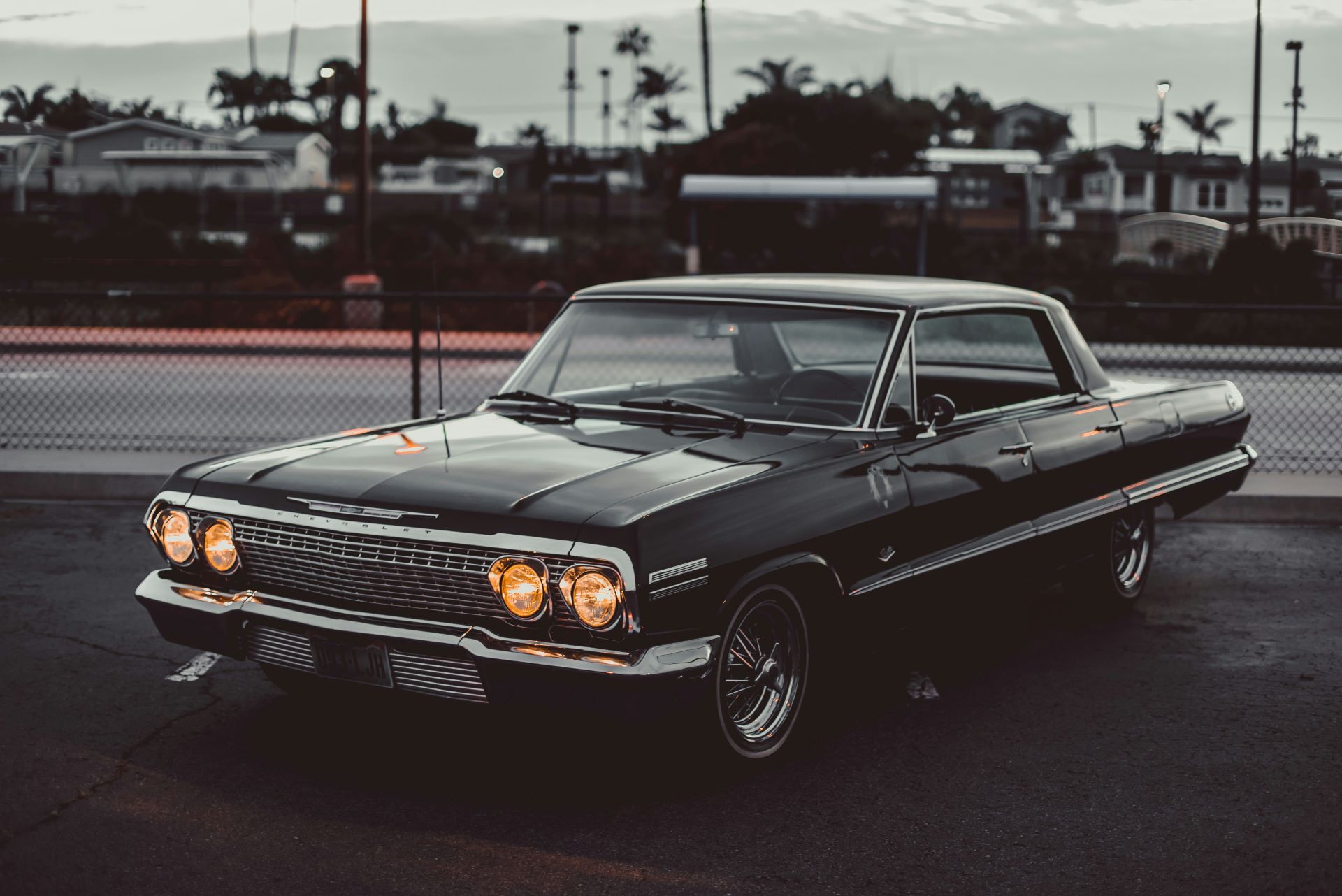
In a world hurtling towards the future with electric vehicles and autonomous technology, there’s a fascinating counter-current: the enduring appeal of the past. From meticulously restored classics to modern cars with vintage styling cues, retro vehicles aren’t just a fleeting trend; they represent a significant and profitable segment of the automotive market.
This phenomenon isn’t just about old cars; it’s about the powerful business of nostalgia, tapping into emotions and memories that drive consumer decisions.
If you’ve ever wondered why that classic Mustang or a modern car designed to look like one still turns heads and commands premium prices, read on as we explore the engines behind this timeless allure.
The Emotional Connection
At its heart, the desire for a retro car is deeply emotional. For many, these vehicles are tangible links to personal memories – perhaps a parent’s first car, a dream machine from their youth, or a symbol of a simpler time.
The sight, sound, and even smell of a classic car can transport someone back decades, evoking powerful feelings of joy, freedom, or comfort. This isn’t just about owning a vehicle; it’s about re-owning a piece of one’s past or an idealized version of it.
This emotional pull is incredibly potent. In an age of rapid change and digital saturation, the tangible authenticity of a classic car offers a sense of grounding. It represents craftsmanship, a particular design philosophy, and often a slower pace of life.
Jake Smith, Founder of Private Reg Plates, points out, “Personalized number plates often go hand in hand with retro car ownership. For many enthusiasts, adding a custom plate is part of expressing individuality and connecting deeper with the nostalgia their car represents.”
For some, it’s a form of escapism, a chance to disconnect from the complexities of modern technology and reconnect with the joy of pure, unadulterated driving.
The Timeless Aesthetic
Beyond personal memories, many retro cars possess a timeless aesthetic that continues to captivate. Design trends come and go, but certain shapes, lines, and proportions achieve a classic status, remaining attractive across generations.
Think of the iconic curves of a 1960s sports car or the unmistakable silhouette of a vintage SUV. These designs often embody a clarity of purpose and a distinctive character that can feel lost in the more homogenized, safety-regulated designs of today.
Alfred Christ, Digital Marketing Manager at Robotime, says, “Retro design works because it blends comfort with familiarity. Whether it’s a car interior or a living room sofa, people find reassurance in styles that remind them of something enduring.”
Modern car manufacturers understand this power of classic design. They frequently draw inspiration from their heritage, creating “retro-modern” vehicles that blend vintage styling with contemporary technology and performance.
This approach allows consumers to enjoy the nostalgic look they love without sacrificing modern comforts, reliability, or safety features. It’s the best of both worlds, offering a bridge between cherished memories and current practicality.
The Collectible Factor
For a significant segment of the market, retro cars are also seen as tangible investments and collectibles. Unlike most new cars, which begin to depreciate the moment they leave the showroom, well-preserved or expertly restored classic cars can appreciate significantly over time. This financial appeal adds another layer to their desirability, turning a passion into a potentially profitable venture.
According to Bill Sanders, from QuickPeopleLookup, the appeal of collectibles often comes down to traceability and provenance. “Knowing a vehicle’s full history builds confidence in its authenticity and value — it’s the same psychology that drives people to verify ownership or background before major investments.”
The thrill of the hunt for a rare model, the satisfaction of a meticulous restoration, and the pride of ownership in something unique are powerful motivators. This collector’s mentality creates a vibrant secondary market, complete with specialized auctions, restoration shops, and parts suppliers. It’s a sophisticated ecosystem built around the preservation and valuation of automotive history, driven by both passion and potential profit.
Craftsmanship and Mechanical Simplicity
Many enthusiasts are drawn to retro cars for their perceived craftsmanship and mechanical simplicity. Older vehicles often feature more visible, less digitized components, appealing to those who enjoy hands-on maintenance and a deeper understanding of how their machine works. There’s a satisfaction in being able to tinker, diagnose, and repair parts that might be impossible in a modern, computer-controlled vehicle.
This appreciation for mechanical purity and traditional manufacturing methods speaks to a broader consumer trend valuing authenticity and tangibility. It’s a rejection of planned obsolescence and a celebration of robust engineering designed to last.
This aspect of retro car culture influences other industries where consumers increasingly seek products that are repairable, durable, and possess a certain handmade quality.
As William Fletcher, CEO of Car.co.uk, observes, “The enduring demand for retro cars isn’t just sentimentality; it’s smart business. These vehicles offer a unique blend of emotional resonance, iconic design, and often, tangible investment value. They tap into a consumer desire for authenticity and connection that modern products often struggle to replicate.”
This highlights the strategic importance of understanding the multifaceted appeal of the retro market.
Community and Lifestyle: A Shared Passion
Finally, retro cars foster a strong sense of community and lifestyle. Owning a classic often means joining a club, attending car shows, participating in rallies, and sharing knowledge and experiences with like-minded individuals. This social aspect is a huge draw, offering a sense of belonging and shared passion that many modern consumer experiences lack.
This community extends beyond physical gatherings, thriving online through forums, social media groups, and specialized marketplaces. It’s a global network of enthusiasts dedicated to preserving and celebrating automotive history. For brands, understanding these passionate communities offers valuable insights into consumer loyalty, brand advocacy, and the creation of lifestyle-oriented products.
The Role of Pop Culture and Media
Retro cars owe a significant part of their appeal to their prominent roles in popular culture. Think about iconic vehicles from movies, TV shows, and even video games. A DeLorean from Back to the Future, James Bond’s Aston Martin, or a classic muscle car from Fast and Furious movies – these aren’t just cars; they are characters themselves. Their appearances on screen etch them into our collective memory, linking them to exciting narratives, cool heroes, and unforgettable moments.
Savas Bozkurt, Owner of Royal Restoration DMV explains, “Pop culture often does what marketing alone can’t — it immortalizes products. When a car becomes part of a story, it transcends utility and turns into a cultural icon.”
This media exposure creates powerful aspirational desires. People want to own a piece of that cinematic magic or embody the spirit of their favorite fictional characters. This cultural branding elevates certain models far beyond their original engineering merits, turning them into legends. It’s a subtle but very effective form of long-term marketing, where the stories we consume shape our automotive dreams.
Customization and Expression: Making it Yours
While many appreciate a factory-original classic, a huge part of retro car culture revolves around customization. Owners often personalize their vintage vehicles, whether through subtle enhancements or complete overhauls. This could mean a unique paint job, updated interior, or modern performance upgrades hidden beneath a classic exterior. This blend of old and new allows individuals to express their creativity and ownership in a tangible way.
Bill Sanders, from Fast People Search explains that customization also comes with a sense of responsibility. “When someone invests time and money into modifying a retro car, verifying its background and originality becomes crucial. Knowing where the vehicle came from — and what’s been changed — adds confidence to every restoration and helps preserve authenticity.”
This customization trend reflects a broader consumer desire for unique products. People don’t just want to own something; they want to make it theirs. Retro cars provide the perfect platform for this, offering a distinctive base that can be endlessly modified. It’s about building a connection with the object, transforming it into a personal statement that stands out from the mass-produced uniformity of modern life.
The Simplicity of Maintenance and Ownership (for some)
For a segment of enthusiasts, the appeal of retro cars lies in their relative mechanical simplicity compared to today’s complex, computer-laden vehicles. Many older cars can be understood and worked on by an amateur mechanic with basic tools. This hands-on aspect offers a sense of control and satisfaction that’s often missing with modern cars, which typically require specialized diagnostic equipment and technicians.
This accessibility to maintenance fosters a stronger bond between owner and machine. It allows for a deeper appreciation of engineering and a more direct relationship with the vehicle. Enthusiasts in places with rich industrial roots often see this as part of a broader tradition of craftsmanship and mechanical pride. While sourcing parts can sometimes be a challenge, the fundamental mechanics are often straightforward, appealing to those who value self-reliance and the ability to maintain their possessions without constant reliance on dealerships.
A Counter-Movement to Hyper-Connectivity
In an age dominated by screens, data, and constant digital connection, the retro car offers a refreshing counter-narrative. Driving a classic often means less digital distraction and more pure engagement with the act of driving itself. There are no complex infotainment systems, no incessant alerts, just the road, the engine, and the experience. For many, this offers a valuable escape.
This aspect resonates with a growing number of consumers who seek to disconnect and find authenticity in a physical, tactile experience. The retro car becomes a sanctuary from digital overload, a place where the focus is solely on the journey. This desire for ‘digital detox’ is a powerful, underlying trend that helps explain why consumers are drawn to products that offer a simpler, more hands-on interaction, and retro cars perfectly fit this niche.
Wrap Up
The sustained popularity of retro cars is a testament to the powerful combination of emotional connection, timeless design, investment potential, mechanical appeal, and community building.
It’s a clear demonstration that while innovation pushes us forward, the allure of the past remains a potent force, driving sales and shaping consumer desires in the automotive world and beyond. The business of nostalgia is thriving, proving that some things, like classic style and cherished memories, never truly go out of fashion.