2Q-Solution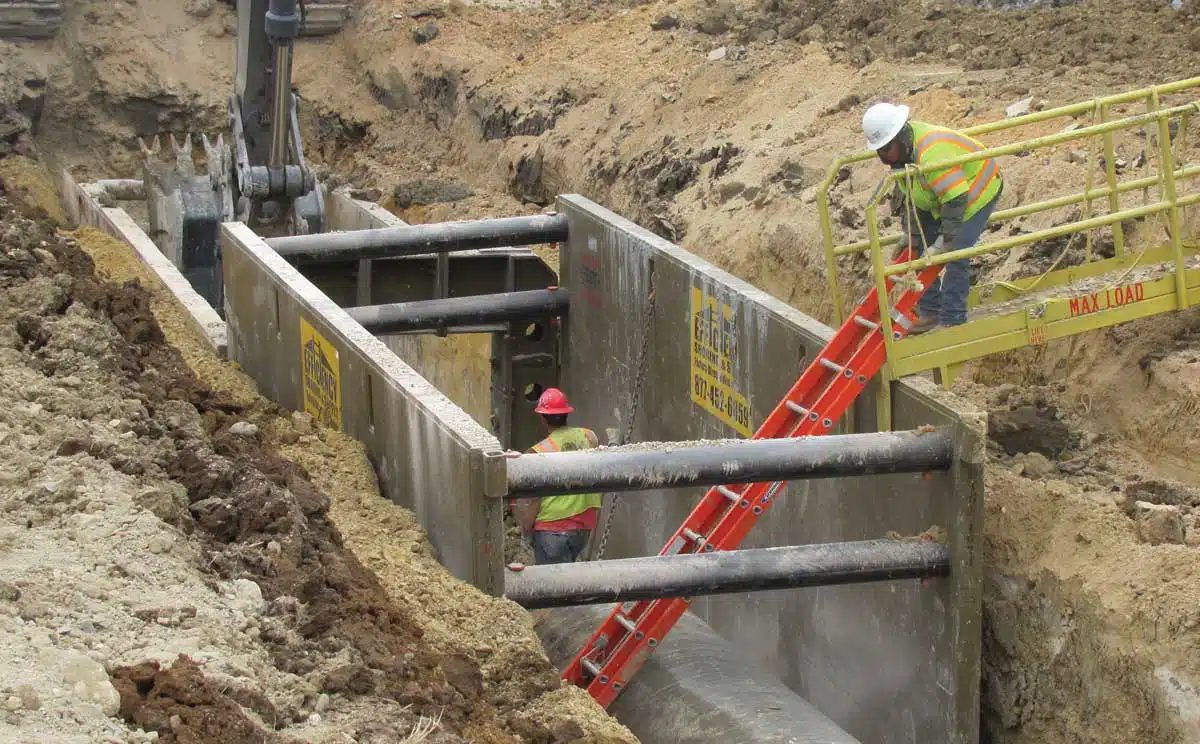
Trench and excavation work is very dangerous. A collapse can trap workers under heavy soil, even in shallow trenches. Hazards can develop quietly, like unstable soil, water seepage, or vibrations from nearby machines. These risks may not always be obvious, leading to sudden and preventable injuries.
Modern technology helps reduce these dangers by detecting and monitoring hazards. Tools like real-time sensors and better protective systems improve safety. While technology cannot replace proper training, it can lower human error. If an accident occurs because safety warnings were ignored, Grey Law can help injured workers understand their rights and seek accountability.
Why Trench And Excavation Work Is Uniquely Dangerous
Trenches are unstable by nature. Soil strength varies, walls can shift suddenly, and outside factors like rain, nearby traffic, and heavy machinery vibration can weaken excavation walls quickly. Even experienced workers can’t always “see” collapse risk, which is why relying on instinct isn’t enough.
Excavation sites also introduce secondary hazards—underground utilities, toxic gases, oxygen deficiency, falling tools, equipment rollovers, and unstable access points. Because the environment changes constantly, safety requires constant monitoring, not occasional checks.
Smart Shoring And Trench Box Innovations
Traditional shoring and trench boxes remain essential, but newer systems are improving protection through better engineering and easier installation. Modern trench boxes are designed to reduce installation time while increasing stability, which matters when crews are under schedule pressure and tempted to skip steps.
Some advanced protective systems incorporate modular designs and stronger materials to handle higher soil loads and varying depths. Technology-driven improvements make it easier to use protective systems correctly, reducing the chance that workers end up inside unsupported trenches.
Soil Monitoring Sensors That Detect Instability
One of the most important advances is real-time soil monitoring. Sensors can detect shifting earth, increased moisture levels, soil movement, and pressure changes that signal collapse risk. These tools help crews identify hazards early—before soil failure becomes visible.
Moisture detection is especially important because water weakens soil quickly and increases collapse danger. If sensors show rising moisture or instability, crews can reinforce walls, adjust trench angles, or evacuate workers before the trench becomes unsafe.
Remote Inspection Tools That Reduce Exposure
Technology also reduces the need for workers to enter unstable zones. Drones and remote cameras can inspect excavation conditions from above, including wall integrity, water pooling, and slope angles. This helps safety teams evaluate risk without sending someone into the trench to “check” conditions.
Robotic or remote-controlled equipment can also perform certain trench tasks—like digging, moving soil, or clearing debris—without placing a worker directly in harm’s way. The more tasks that can be done remotely, the fewer workers are exposed to collapse zones.
Ground-Penetrating Radar And Utility Detection Systems
Striking underground utilities is a major excavation danger. Hitting a gas line can cause explosions, fires, and severe burns. Damaging electrical lines can cause electrocution or fatal shock. Water line strikes can flood trenches and trigger collapse conditions.
Ground-penetrating radar (GPR), electromagnetic detection tools, and utility mapping technology help crews locate underground utilities before digging begins. These tools reduce guesswork, minimize accidental strikes, and allow excavation plans to be adjusted for safe digging zones.
GPS Mapping And 3D Modeling For Safer Excavation Planning
Excavation accidents often start with poor planning. If trench depth, soil type, or nearby structures aren’t properly assessed, the site can be unsafe from the beginning. GPS mapping and 3D modeling help crews plan excavation layouts with greater accuracy and predict the impact of slope angles, load placement, and trench depth.
These systems also help identify hazards like nearby foundations, underground voids, and unstable soil zones. When excavation is planned with better data, crews can choose safer entry points, safer access ladders, and better protective system placement before workers ever enter the trench.
Wearable Technology And Worker Safety Alerts
Wearable safety devices are becoming more common in high-risk construction zones. These can include smart helmets, vests, or badges that monitor location, track movement, and send alerts if a worker enters a restricted trench zone or stays too long in an unsafe area.
Some wearable systems can also detect impacts, falls, or lack of movement—triggering automatic emergency alerts. In trench collapses, fast rescue response can be the difference between survival and fatal injury, so early alert systems can be life-saving.
Equipment Proximity Sensors And Collapse Prevention
Excavation sites often involve heavy equipment operating close to trench edges. The weight and vibration of machinery can destabilize trench walls and increase collapse risk. Proximity sensors can warn operators when equipment is too close to an excavation edge or when loads are placed dangerously near trench walls.
Some systems also track vibration levels and ground movement caused by heavy equipment, helping crews understand how machinery use is affecting trench stability. These tools support safer equipment positioning and reduce the risk of collapse caused by jobsite decisions.
Technology Helps, But Safety Compliance Still Matters
Even the best technology cannot protect workers if safety rules are ignored. Trench collapses often happen because protective systems were not used, inspections were skipped, or workers were pressured to enter unsafe trenches to “save time.” Technology should support safety decisions, not replace them.
When an excavation accident happens, the key question becomes whether safety systems were used correctly and whether the employer followed required protocols. If technology was available but ignored—or if protective systems failed due to negligence—the injury may be a preventable legal case, not just a workplace accident.
Technology Is Making Excavation Work Safer, But Prevention Requires Action
Technology is helping prevent trench and excavation accidents through smarter protective systems, soil monitoring sensors, remote inspections, utility detection tools, wearable alerts, and better excavation planning. These advances reduce guesswork, detect hazards earlier, and limit worker exposure to collapse zones. When used properly, they can significantly reduce the risk of deadly trench failures.
But technology only works when safety is treated as non-negotiable. Excavation dangers can’t be managed through shortcuts, rushed schedules, or skipped protection. When trench injuries happen, they often reflect a failure to act on known risks. Safer trenches come from using the right tools, following safety standards, and protecting workers before the ground gives way.
Read More Gorod