World rankers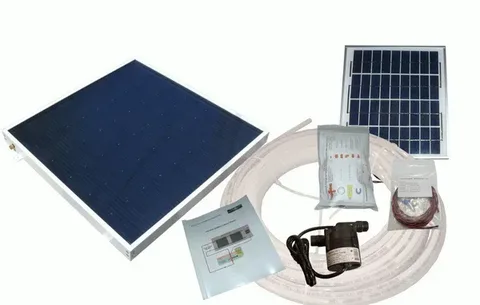
Have you ever stepped into a hot shower and wondered how much energy it takes? Most of us enjoy hot water daily. We rarely think about the cost behind it. That is where a solar heated water heater can truly shine.
I have worked with homeowners who felt shocked by their utility bills. Many did not realize water heating can use a big part of home energy. A solar water heater kit offers a smart and clean solution. It uses sunlight instead of expensive fuel.
In this guide, I will walk you through everything. We will keep it simple and practical. By the end, you will know if a solar heated water heater kit fits your home.
What Is a Solar Water Heater Kit?
A solar water heater kit is a ready to install system. It heats water using energy from the sun. Instead of burning gas or using electricity, it captures sunlight.
Most kits include solar collectors, a storage tank, and pipes. Some also include a pump and controller. These parts work together to create hot water for your home.
The solar collectors sit on your roof or ground rack. They absorb sunlight and turn it into heat. That heat warms the water inside the system.
When you buy a kit, you get matched components. This reduces confusion during installation. It also improves performance and safety.
A well designed solar heated water heater can last many years. With proper care, systems often work for 20 years or more.
How Does a Solar Heated Water Heater Work?
The idea is simple. Sunlight hits the solar collectors. The collectors absorb heat and transfer it to water or a heat transfer fluid.
The heated water moves into a storage tank. You then use it for showers, laundry, and dishes. Some systems include a backup heater for cloudy days.
There are two common types of solar water heating systems:
Active Systems
Active systems use pumps and controllers. These move water through the collectors. They are common in colder regions.
They are reliable and efficient. They also cost more than passive systems.
Passive Systems
Passive systems rely on gravity. They have fewer moving parts. That means less maintenance over time.
They are often cheaper and easier to install. They work best in mild climates.
Both options can be part of a solar heated water heater kit. Your climate and budget will guide your choice.
Main Components in Solar Water Heater Kits
Understanding the parts builds confidence. Let us look at the key components in most kits.
Solar Collectors
Collectors are the heart of the system. They absorb sunlight and convert it into heat. There are two main types.
Flat plate collectors are common and affordable. They work well in warm and moderate climates.
Evacuated tube collectors are more efficient. They perform better in colder weather.
Storage Tank
The tank stores the heated water. It is insulated to keep water warm for hours. Some tanks include a backup electric or gas heater.
The size depends on your household needs. A family of four often needs 60 to 80 gallons.
Heat Exchanger
In colder areas, systems use a heat exchanger. This keeps water from freezing inside the collectors.
The exchanger transfers heat from a special fluid to your household water.
Controller and Pump
Active systems include a controller. It monitors temperatures and turns the pump on or off.
The pump moves fluid between the collectors and tank.
Each part plays a role in your solar heated water heater system.
Benefits of Installing a Solar Heated Water Heater
Many homeowners choose solar for both savings and sustainability. I have seen families reduce energy bills noticeably after installation.
Here are some clear benefits.
Lower Energy Bills
Water heating can account for a large share of utility costs. A solar heated water heater reduces dependence on gas or electricity.
Over time, those savings add up. Many systems pay for themselves within several years.
Eco Friendly Energy
Solar energy is clean and renewable. It does not produce harmful emissions during use.
By switching to solar water heating, you lower your carbon footprint.
Energy Independence
Rising energy prices worry many homeowners. Solar helps protect you from future rate hikes.
You rely on the sun, which is free and abundant.
Long Lifespan
Solar water heater kits are built to last. With routine maintenance, many systems run for decades.
This makes them a solid long term investment.
Things to Consider Before Buying
Not every home is the same. Before choosing a solar heated water heater kit, consider a few factors.
Roof Condition and Direction
Your roof should face south for best performance. East and west facing roofs can also work.
The roof must be strong enough to hold the collectors.
Climate
Sunny regions offer the best results. However, modern systems work even in cooler climates.
Evacuated tube collectors perform well in cold areas.
Household Size
A larger family needs a bigger storage tank. Estimate daily hot water use carefully.
Choosing the right size prevents shortages.
Budget
Initial costs may seem high. However, long term savings can outweigh that cost.
Look for local rebates or tax credits to reduce expenses.
Taking time to plan ensures success.
Installation: DIY or Professional?
Some kits are designed for skilled DIY users. However, installation can be complex.
You may need plumbing and roofing knowledge. Safety should always come first.
Professional installation ensures correct setup. It also protects warranty coverage.
In many areas, building permits are required. A licensed installer understands local codes.
If you lack experience, hiring a professional is wise.
Maintenance and Care
One reason people love solar water heating is low maintenance.
You should inspect the system once or twice a year. Check for leaks and damaged insulation.
Collectors may need occasional cleaning. Dust and debris can reduce efficiency.
In colder climates, check antifreeze levels. This prevents freezing damage.
Regular maintenance keeps your solar heated water heater working smoothly.
Cost and Return on Investment
The price of solar water heater kits varies. Costs depend on size and type.
On average, systems may range from a few thousand dollars upward. Installation adds to that cost.
However, energy savings reduce monthly bills. Over several years, many homeowners break even.
Government incentives can speed up payback time. Check local programs for rebates.
Think of it as a long term investment. You gain savings and environmental benefits.
Common Myths About Solar Water Heating
Let us clear up some confusion.
Some believe solar only works in hot climates. That is not true. Germany is a global leader in solar water heating.
Others think systems fail on cloudy days. Most kits include backup heating for reliability.
Some worry about maintenance costs. In reality, maintenance is usually minimal.
Understanding facts builds confidence in choosing solar.
Is a Solar Heated Water Heater Right for You?
If you want lower bills and greener living, it is worth considering.
A solar heated water heater works best in homes with good sun exposure. It suits families who use consistent hot water daily.
If you plan to stay in your home long term, savings increase over time.
Solar water heater kits offer convenience and reliability. They combine proven technology with renewable energy.
Before deciding, consult a trusted installer. Ask questions about system size and performance estimates.
Final Thoughts
Switching to a solar heated water heater is more than a trend. It is a practical step toward sustainable living.
You reduce energy costs and help protect the planet. You also gain independence from rising utility prices.
Solar water heater kits make the process easier. They include matched components for smooth installation.
If you are serious about saving money and energy, explore your options today. The sun provides energy every day. Why not use it to heat your water?