2Q-Solution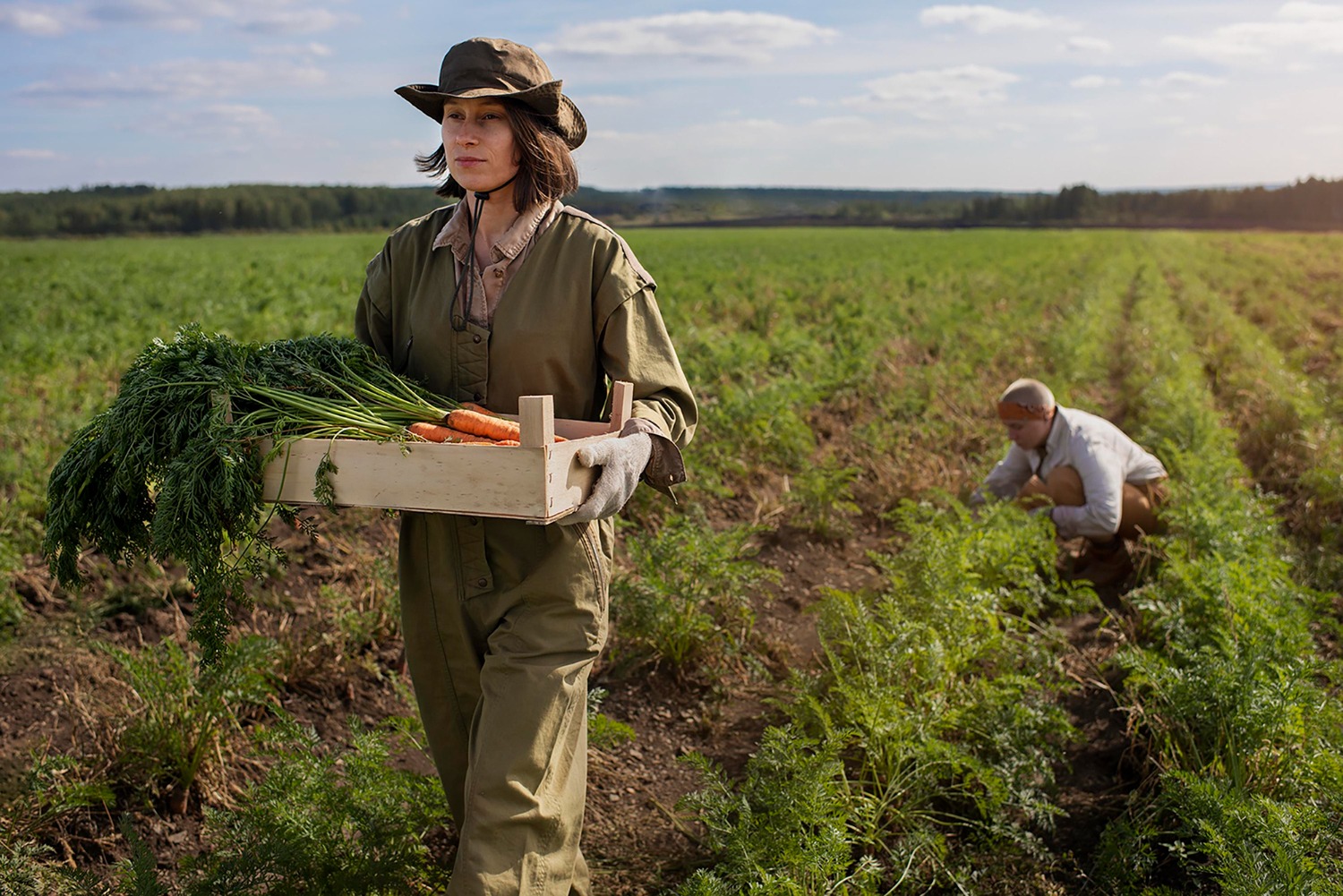
Financial vulnerability is growing throughout Australia’s rural economy as a result of the growing wage access gap between seasonal agricultural workers and corporate employees. In times of greatest need, thousands of farm laborers are losing their financial flexibility as earned pay technology becomes commonplace in numerous industries.
The accessibility dilemma affecting Australia’s seasonal workforce is getting worse as earned pay access platforms spread quickly in corporate and metropolitan areas but are still inaccessible to many rural workers. The nation’s most financially vulnerable workers are still not able to use these tools, which are intended to lessen debt dependence and increase cash flow stability, even though 81% of Australians say they would like to access a portion of their paychecks before payday.
Understanding the Divide in Australian Agriculture
Earned wage access platforms allow employees to withdraw up to 50% of already-earned income through mobile applications. Transaction fees typically range between 1.3% and 1.5%. Major Australian employers including Pizza Hut and Hungry Jack’s have implemented these systems. The global market is projected to grow from $30.83 billion in 2025 to $242.46 billion by 2034, representing a compound annual growth rate of 25.75%.
This technology addresses a pressing need. Half of all Australians live paycheck to paycheck. One-third lack $500 in emergency savings. For corporate employees with regular payment schedules, these solutions provide an alternative to high-interest borrowing when unexpected expenses arise. However, seasonal and casual agricultural workers remain systematically excluded despite facing greater financial vulnerability than their urban counterparts. Workers are often advised to consult a wage and hour lawyer to understand whether award breaches, underpayment, or unlawful delays have occurred.
The Reality for Seasonal Agricultural Workers
Seasonal workers in Australian agriculture operate under unique employment conditions that create compounding stress. Under the Horticulture Award, these workers earn minimum rates of $20.33 per hour for permanent positions or $25.21 per hour for casual roles. The casual rate includes a 25% loading to compensate for absent leave entitlements and job security.
Their employment includes distinct characteristics. Payment by piece rates affects 63% of the seasonal workforce. Fortnightly or monthly payment cycles are standard. Income depends on weather and harvest conditions. Geographic isolation in regional areas limits banking services. Temporary contracts typically last six to twelve weeks.
When agricultural work concludes, workers face additional barriers. Services Australia policy mandates seasonal work preclusion periods for those finishing contract or intermittent employment within six months of claiming JobSeeker Payment. These waiting periods prevent immediate access to income support precisely when workers transition between opportunities.
To qualify for severe hardship provisions that waive preclusion periods, applicants must demonstrate liquid assets below maximum fortnightly payment thresholds. They must also provide documentation of unavoidable expenses. This administrative burden creates extra stress for workers managing crisis expenses with depleted resources.
Structural Barriers Preventing Adoption
Technology infrastructure poses the first challenge. These platforms require integration with sophisticated payroll and human resources information systems. Large employers with established IT infrastructure implement these solutions efficiently. Small farming operations and labour-hire contractors managing temporary seasonal workforces often lack the technological capacity for platform integration.
Employment arrangement complexity creates another hurdle. Labour-hire contractors employ a significant portion of seasonal workers. This adds intermediary layers that complicate calculation and payment processing. These arrangements create jurisdictional ambiguity around who bears responsibility for implementing solutions.
Piece rate calculation presents technical difficulties. Traditional platforms function optimally with predictable hourly structures. When workers receive payment based on harvest volumes rather than hours worked, calculating real-time earned income becomes significantly more complex. This requires specialised software adaptations.
Economic viability concerns also play a role. Agricultural employers operating on thin profit margins with highly seasonal labour needs see limited incentive to invest in infrastructure for workers employed only during harvest periods. The cost-benefit analysis differs markedly from industries with stable year-round workforces.
The Cost of Financial Exclusion
When seasonal workers cannot access earned income and face gaps between employment periods, they frequently turn to alternative financial products. Research from financial technology providers indicates workers locked out of wage access platforms resort to options including credit cards and buy-now-pay-later services.
Financial comparison platforms like Loan Owl report increased inquiries about payday loans from regional areas during peak harvest seasons. This suggests seasonal workers seek emergency funds between pay cycles. While these products provide immediate liquidity, interest rates and fees significantly exceed the 1.3% to 1.5% transaction costs typical of earned wage access platforms.
A Fair Work Commission case in 2024 illustrated the tangible impact of payment delays. After experiencing consistent delays between 7 and 20 days over several months, a worker resigned due to resulting stress and difficulty managing basic expenses. The Commission ruled the employer’s payment failures constituted constructive dismissal, establishing important precedent for workers experiencing similar circumstances.
Late or delayed payments violate the Fair Work Act 2009. This legislation mandates timely payment according to employment contracts and relevant awards. However, enforcement remains inconsistent in regional agricultural settings where workers fear reporting violations may jeopardise future employment opportunities.
Financial Support Resources
The National Debt Helpline (1800 007 007) provides free confidential financial counselling. Fair Work Ombudsman (13 13 94) offers workplace rights information and wage complaint lodgement. Services Australia (132 850) provides information on hardship provisions and payment options.
All seasonal workers maintain identical legal protections as permanent employees under Australian workplace law. Minimum standards under the Horticulture Award are non-negotiable regardless of employment arrangement. Workers experiencing consistent payment delays should document these violations and contact the Fair Work Ombudsman.
Financial counsellors provide free assistance negotiating payment plans with creditors and accessing emergency relief services. These professionals operate independently and maintain strict confidentiality protections.
Potential Solutions and Policy Considerations
Agricultural industry bodies could commission development of sector-specific platforms designed for piece-rate workers and complex labour-hire arrangements. Such platforms would require sophisticated algorithms calculating real-time earnings across variable payment structures.
Targeted subsidies could offset implementation costs for small farming operations adopting this technology. This approach mirrors programs supporting digital adoption in agriculture. It would address the economic viability barrier preventing smaller employers from offering these benefits.
Stronger Fair Work Ombudsman enforcement of payment timeline requirements would provide baseline protection while technological solutions develop. Increased penalties for systematic delays could incentivise compliance.
The United Kingdom’s National Health Service provides earned wage access to healthcare workers through specialised platforms accommodating shift work and irregular schedules. Adapting similar models for Australian agricultural contexts could provide implementation guidance.
Market Context and Economic Factors
Australian annual growth reached 3.4% in the June 2025 quarter according to Australian Bureau of Statistics data. However, this growth has not kept pace with cost-of-living increases affecting regional communities where seasonal workers reside.
Current economic conditions show 1.26 million low-income Australian households experiencing housing stress. For seasonal workers juggling irregular income and limited financial service access, these broader pressures compound individual vulnerability.
The projected growth trajectory indicates sustained demand for flexibility solutions. As corporate adoption accelerates and 80% of Fortune 200 companies globally now offer these benefits, the disparity between corporate employee access and seasonal worker exclusion becomes increasingly pronounced.
Looking Forward
The intersection of declining seasonal worker numbers and persistent cost-of-living pressures creates an urgent equity challenge. Technology enabling instant access to earned income exists and operates successfully across multiple Australian industries. Extending this access to seasonal agricultural workers represents not a technical challenge but a policy and prioritisation decision.
Loan Owl notes increased demand for alternative financial products in regional areas. This market signal indicates an unmet need for flexible payment solutions among seasonal workers. Addressing this gap requires acknowledging that workers harvesting Australia’s crops deserve equivalent financial flexibility to workers in urban service industries.
The current trajectory suggests the divide will widen without deliberate intervention. Seasonal worker numbers continue declining while corporate adoption accelerates. For the 14,015 workers remaining in PALM scheme agricultural employment, vulnerability intensifies as support systems fail to adapt to modern workforce realities. Closing this gap demands recognition that equitable access to earned income should not depend on the employment sector or geographic location.
Read More Gorod